Tunisia is strengthening its strategic partnership with the World Bank and IFC to support the National Development Plan 2026-2030, focused on structural reforms, the energy transition, and economic growth. This partnership aims to energize the private sector, improve the business climate, and create jobs.
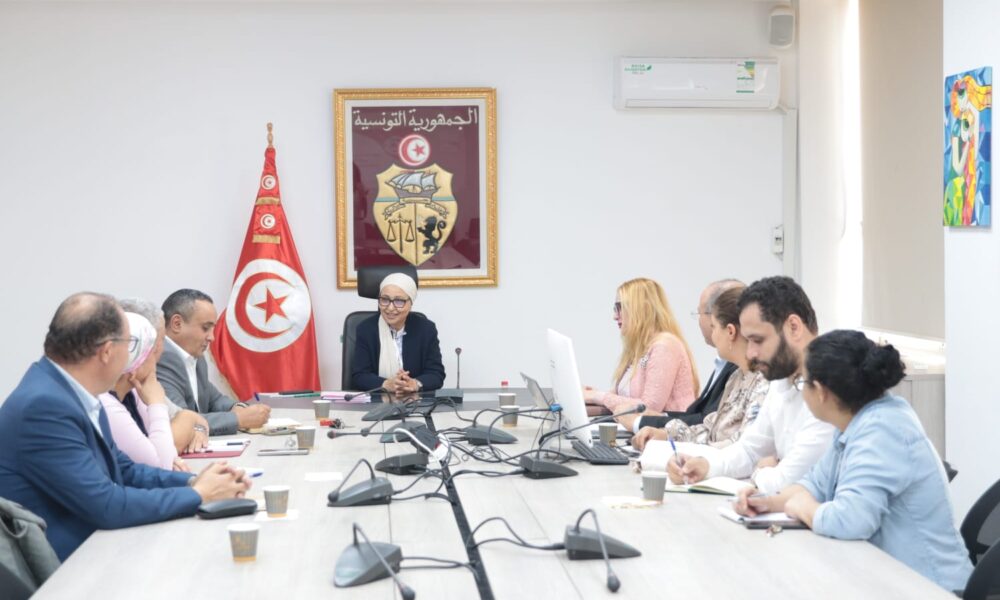
A recent meeting between the Minister of Industry, Mines and Energy, Fatma Thabet Chiboub, and the Country Director Ahmadou Moustapha Ndiaye emphasized ongoing support for the Tunisian Company of Electricity and Gas (STEG).
Support for STEG’s Performance
Discussions focused on the plan to improve STEG’s financial and commercial performance. The World Bank is maintaining its technical and financial support to strengthen the efficiency of this state-owned company, essential to the distribution of electricity and gas.
This program is part of a broader effort, such as the TEREG project funded to the tune of $430 million, which aims to modernize operations and attract private investments in the sector. The minister expressed her satisfaction with the quality of this collaboration, which also targets the development of the national electricity grid.
Advances in Renewable Energies
The discussion examined the progress of the ElMed project, an underwater electrical interconnection between Tunisia and Italy, expected to be operational by the end of 2028. This cable linking Cap Bon to Sicily positions Tunisia as an energy hub in the Mediterranean, promoting the export of renewable energy to Europe.
Moreover, the talks stressed promoting investments in renewable energy to reduce the country’s energy deficit. This support complements other initiatives, such as those of the European Investment Bank and the EBRD, aligned with Tunisia’s commitments under the Paris Agreement.
Thus, Tunisia is strengthening its foundations for a more reliable and sustainable electricity supply, with positive impacts on the economy and energy security. These structuring projects open concrete prospects for households and businesses, while reducing supply costs by 23% and improving STEG’s cost recovery to 80%.
The World Bank supports economic reforms, public finances, and the energy transition, illustrated by substantial financing.
The International Finance Corporation (IFC), a member of the World Bank Group, intensifies its support for small and medium-sized enterprises (SMEs), in the agri-food sector, the manufacturing industry, and renewable energy, mobilizing more than $140 million over the recent years.
The cooperation focuses on national priorities, notably economic competitiveness and resilience, within the framework of the new Strategic Partnership Framework (CPF). This renewed partnership aims to stabilize the Tunisian economy and foster sustainable growth in the medium and long term.