The review of the past year records a decline in inflation, an annual growth of 2.5% against a muted level of investment. In January, the BCT confirmed its policy rate at 7%, a rate that had been cut by 50 basis points in December 2025.
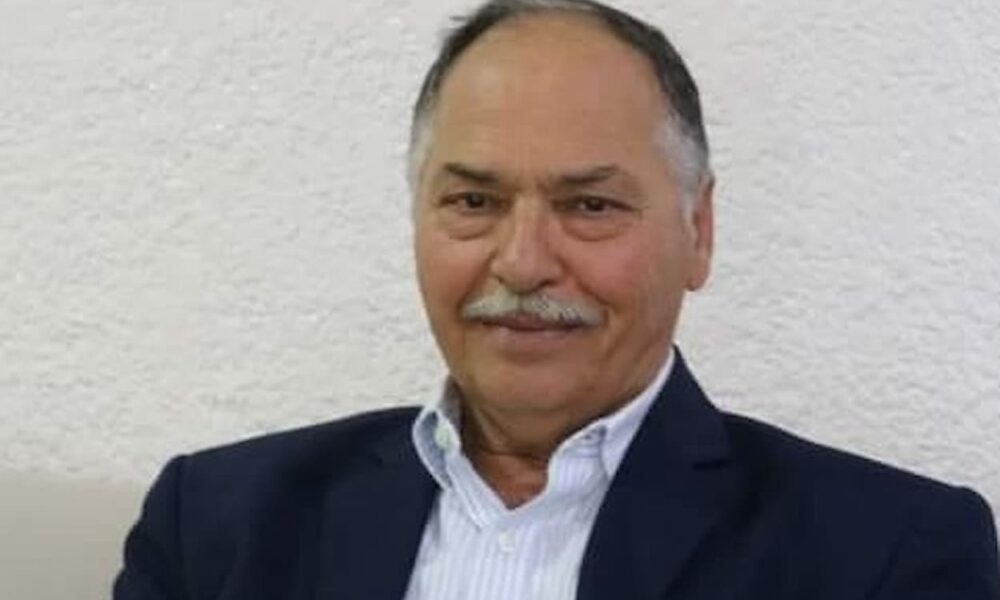
To analyze these indicators and the outlook for the Tunisian economy, Tunisie Numérique interviewed Mohamed Salah Souilem, former Director General of Monetary Policy at the BCT.
Optimistic, Mohamed Salah Souilem offered his insights for reviving growth and investment. He considers the current inflation level to be reassuring and that monetary policy strengthens visibility. He believes Tunisia could reach a higher growth plateau. Interview.
Tunisie Numérique: Some consider that a policy rate of 7% remains high and does not encourage investment despite the latest cut. What is your view?
Mohamed Salah Souilem: While there are divergent views — some arguing that this level of interest rate does not encourage investment and increases its cost — I think investment depends on many other factors (political and social stability, the international environment, etc.) that influence the decision to invest. There is not only the “cost of money” weighing on investment.
For proof, I take the example of the transition period in 2011: Just after the revolution, in September 2011, the BCT’s policy rate fell to 3.5%, an historically very low level. Yet, this did not trigger a revival of investment.
In my view, on the exchange front, the Tunisian dinar is becoming more and more stable. It even shows a slight appreciation against the euro and the dollar, which is reassuring for the investor, because the exchange rate component is a crucial factor in investment. A stable exchange rate improves visibility.
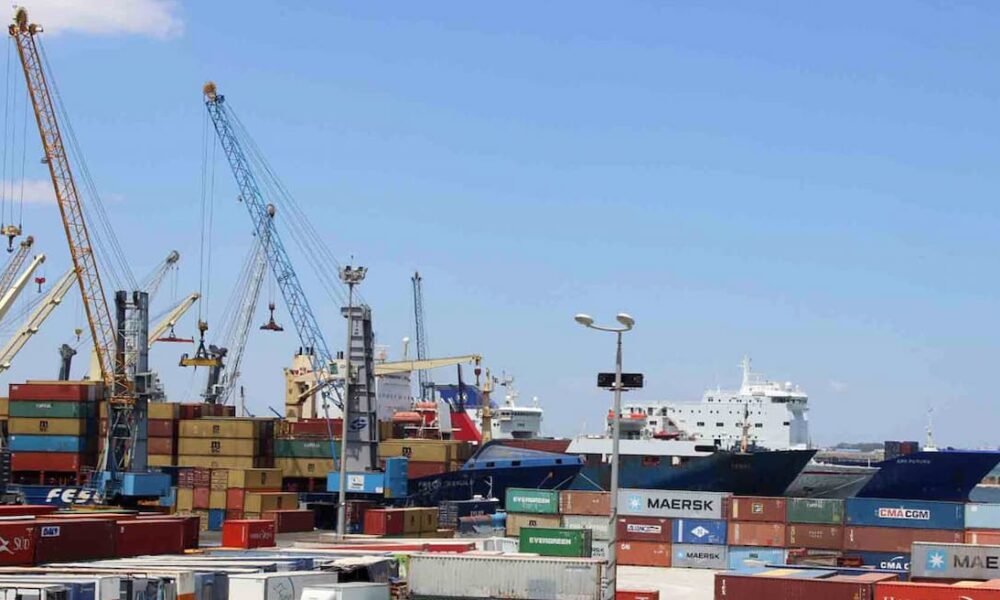
The monetary policy has certainly contributed to strengthening visibility in the FX market and the stability of the dinar. Despite the worsening of the trade deficit in recent years — it has even exceeded 21 billion dinars — the level of foreign exchange reserves, a closely watched indicator by international markets, rating agencies and financial markets, remains broadly comfortable.
For months we have not dropped below 100 days of imports and today we are at the equivalent of 109 days of imports. All these elements are positive and likely to restore confidence among investors.
INS has just announced a growth rate of 2.5% in 2025. Can Tunisia do better?
It is true that the economic situation remains difficult and that we no longer display the growth levels of the past. However, I think that growth performance for this year will be significantly higher than what was forecast at the start of the year by the IMF and the World Bank.
In my opinion, Tunisia is starting to glimpse a ray of hope and could reach a higher growth plateau, provided that the State restores a healthier situation in terms of public finances, better controls its spending, increases its revenues and can therefore reduce its budget deficit. This would allow a gradual reduction in public debt and better control of inflation.
The current climatic conditions herald the beginnings of a good agricultural season in Tunisia. What will be, in your view, the impact of rainfall on the country’s macroeconomic balances, especially inflation?
In Tunisia, food products represent about 26% to 27% of the consumer price index. These products are very sensitive to weather conditions. Today, we observe a certain resilience in food products: prices do not fall, but they do not rise as they did in the past.
With the current climatic conditions and abundant rainfall, I believe that prices of many vegetables will be better controlled, which will help further contain inflation.
Moreover, with the decline in commodity prices, particularly oil, inflation is likely to retreat further. This is an important factor for the Central Bank, which could thus have greater room to maneuver to manage its monetary policy.
What do you think of the current level of the BCT’s policy rate? Is there still room to lower this rate further?
First, it should be noted that the current inflation level is rather reassuring. The central bank is likely aiming to reduce it further, especially since the food component remained very high, above 10%.
Tunisians continue to feel the high cost of living even with inflation at 4.8%, because they focus mainly on the most sensitive items of daily life, particularly prices of vegetables and fruits.
The dynamic enabling better inflation control came more from the prices of subsidized products, the so-called “administered products,” which contributed to pulling inflation slightly downward.
I noted in the latest INS communiqué on the consumer price index that core inflation has risen. The central bank could not remain indifferent to this phenomenon, given that it sought, through its monetary policy, to act on the stable component of inflation, with food and energy largely outside its scope.
Generally, even if the Central Bank could be satisfied with the current level, it would wish to have more certainties regarding total control of the phenomenon, recalling that the primary mission of central banks is to ensure price stability and to preserve purchasing power.
In the coming months, the central bank would seek to verify that inflation pressures are fully under control before evaluating upcoming decisions. The issue around the policy rate — kept at 7% — resided in the fact that it remained higher than the inflation rate, translating into a positive real interest rate of 2.2%, a situation that had not been observed in decades.
The central bank wanted, at this stage, to maintain a positive real interest rate in order to preserve citizens’ purchasing power and to encourage household savings. The central bank had, overall, succeeded and monetary policy displayed a certain coherence.