The March 2, 2026 session brutally reminded markets that oil remains, above all, a geopolitical commodity. Following the military escalation involving Iran, the United States, and Israel, prices reacted immediately by pricing in a risk investors have feared for years: a sustained disruption of traffic through the Strait of Hormuz, one of the planet’s most strategic maritime passages.
At the opening, Brent surged to $82.37 a barrel, with intraday highs approaching nearly 13%, before easing back toward $78. U.S. WTI, for its part, reached $75.33 before retreating to around $72. This sequence perfectly illustrates the mechanics of a “risk shock”: traders buy first to hedge against uncertainty, then reassess, in calm, the likely magnitude and duration of the crisis.
The market is not reacting solely to an already trimmed supply. It is mainly anticipating the possibility of an offer disruption. Ship delays, rising insurance premiums, detours, security tensions: it suffices for the probability of these events to rise for the barrel to gain several dollars in a few hours.
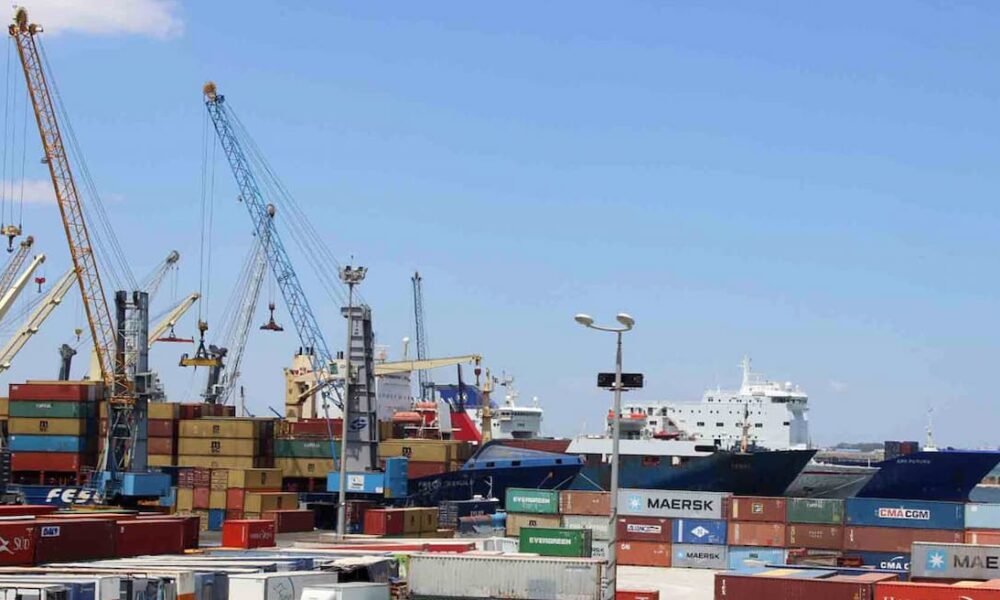
The heart of the anxiety lies in the Strait of Hormuz. This narrow sea passage concentrates around 20% of global oil flows, or nearly 15 million barrels per day. In a market where balance rests on fine adjustments between production and demand, the slightest disruption at such a choke point can trigger a domino effect. According to initial market-reported estimates, more than 200 ships had been immobilized or delayed in the area, feeding the tension on trading screens.
Yet, despite this initial surge, prices have not yet breached the psychological $90 threshold. Several factors explain this restraint. After the first wave of hedging purchases, investors have taken time to gauge the real extent of the disruptions. Moreover, talks are under way between producer and consumer countries to activate stabilization levers, whether concerning logistics, securing sea routes, or potential releases of strategic stocks.
Another factor weighing on the balance: OPEC+, bringing together eight key countries, has confirmed an increase in production of 206,000 barrels per day starting in April 2026. Admittedly, this rise remains modest relative to global volumes, but it sends a clear signal to the markets. The cartel is watching the situation and stands ready to adjust its supply if necessary.
Three trajectories are now emerging. The first would be that of a rapid de-escalation, with traffic under tension but functioning. In this case, Brent could move within a range between $75 and $85. The second hypothesis, more likely in the eyes of many analysts, would be a maritime war of attrition, made up of intermittent incidents and persistent risk premiums. The barrel could then test the $85 to $95 zone. Finally, a darker scenario would involve a prolonged blockage or strikes directly affecting energy infrastructure. In such a setup, the $100 level would no longer be a matter of speculation but a market reality.
Beyond the trading floors, the impact would be tangible in the real economy. Oil feeds transportation, marine insurance, petrochemicals, and, by extension, the agrifood sector. In the United States, gasoline futures have already reacted strongly, signaling a rapid pass-through to consumers. Every additional dollar per barrel ultimately translates into higher logistics costs and, eventually, higher final prices.
For Tunisia, a net importer of hydrocarbons, the rise in prices translates into increased pressure on the energy bill and, consequently, on the trade balance. If compensation mechanisms partially cushion the shocks, they simultaneously put pressure on public finances. Even in the absence of an immediate rise at the pump, the inflationary effect can seep in through transport and industrial inputs, squeezing corporate margins.
The coming days will be decisive. Markets are watching the traffic flow around Hormuz, the evolution of freight costs and insurance premiums, as well as potential decisions by OPEC+ or major powers regarding strategic stocks. Asia’s stance, particularly China’s, will also matter, as a substantial share of global marginal demand comes from that region.
Oil remains a singular commodity. It does not merely reflect the state of the global economy; it magnifies its shocks. When geopolitics enters the Strait of Hormuz, it is not only traders who hold their breath. It is also governments, companies and households, aware that behind every maritime tension a new wave of inflation may be on the horizon.