The American-Israeli military crisis against Iran erupted in late February 2026 with targeted strikes against Tehran that killed Supreme Leader Ayatollah Ali Khamenei, exposing Africa to a critical vulnerability through the Hormuz and Suez Straits.
ECOWAS and the African Union warn of a surge in energy prices and massive logistical disruptions as Iran retaliates with missiles against US bases and Gulf allies. These strategic chokepoints channel 30% of global oil and 12% of maritime trade, on which 70% of Africa’s imported refined energy depends. A prolonged closure of Hormuz (20% of global oil) or a blockage of Suez would double the continent’s logistical costs.
Energy threat via the Strait of Hormuz
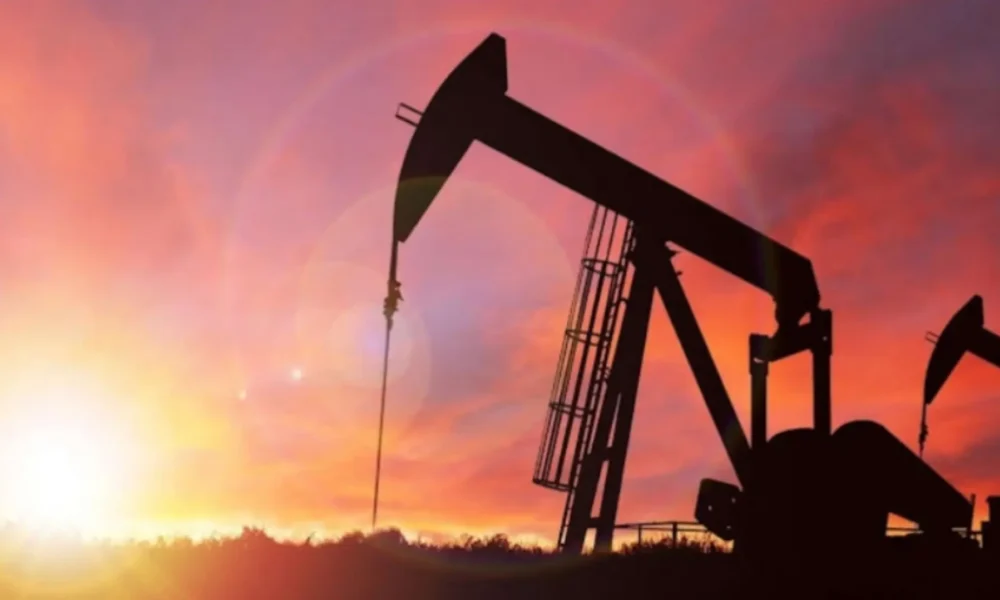
The Strait of Hormuz, through which 21 million barrels per day pass, faces a lock-in that would threaten Africa as a net importer of petroleum products. A rise of $50 per barrel, plausible in case of escalation, would add USD 40 billion to the continent’s annual energy bills, squeezing development budgets.
West Africa (excluding Nigeria) would bear the heaviest toll, with refined fuels shipped from India via Hormuz. Landlocked countries such as Mali or Niger would suffer immediate shortages, driving food inflation up 15-20%.
Logistical disruptions at the Suez Canal
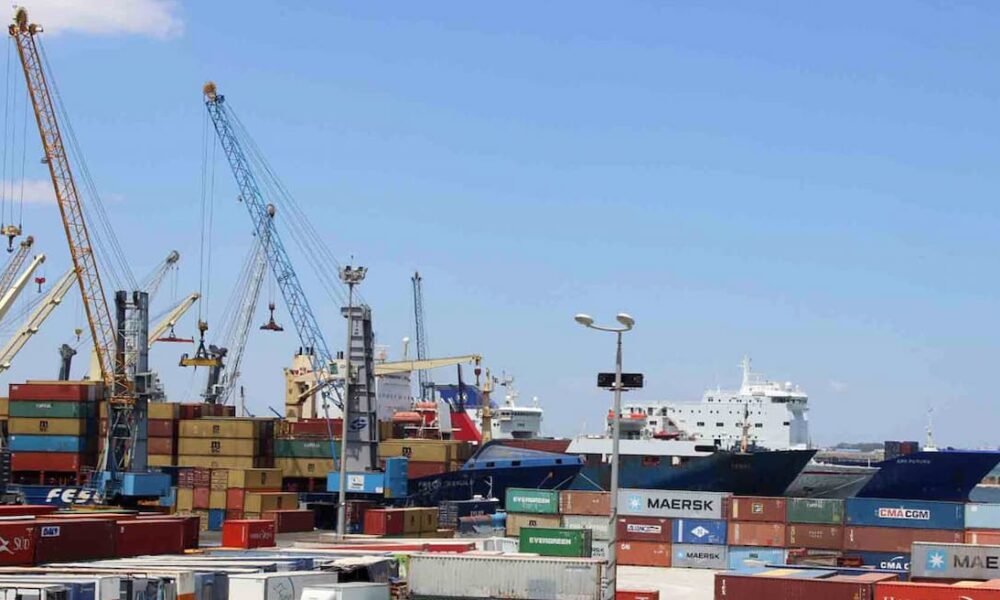
Suez, a vital artery for 15% of world trade, would expose North Africa and East Africa to shipping delays doubled toward Europe. Containers of Ukrainian cereals, fertilizers and industrial parts diverted via the Cape would push freight costs up by 300%.
Egypt would lose USD 9 billion in annual revenue, impacting interconnected North Africa. Food security collapses with cereal stocks covering only two months, while pharmaceutical and automotive supply chains fray.
African reactions and emergency strategies
ECOWAS and the AU call for de-escalation, while Nigeria and Algeria release strategic reserves. Africa accelerates energy diversification through solar power and local gas, but remains captive to strained sea routes.
States mobilize oil reserves for 90 days; diversified routes transit through Atlantic ports; freeing cereal stocks; accelerate local gas projects; create a regional energy stabilization fund; strengthen AfCFTA in the face of external shocks; and coordinate diplomacy between the AU and the UN. These measures mitigate the impacts over 12 months.