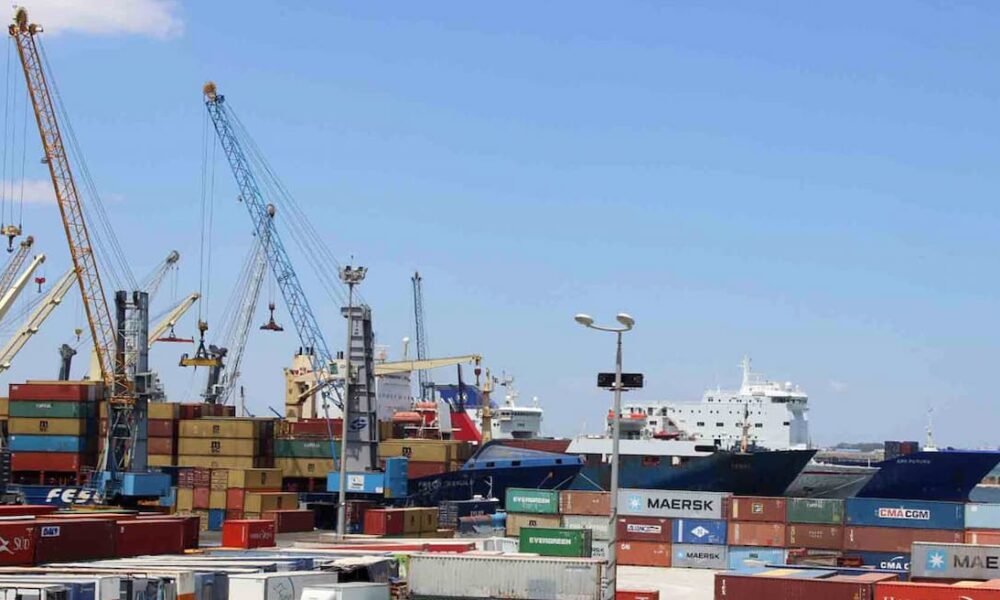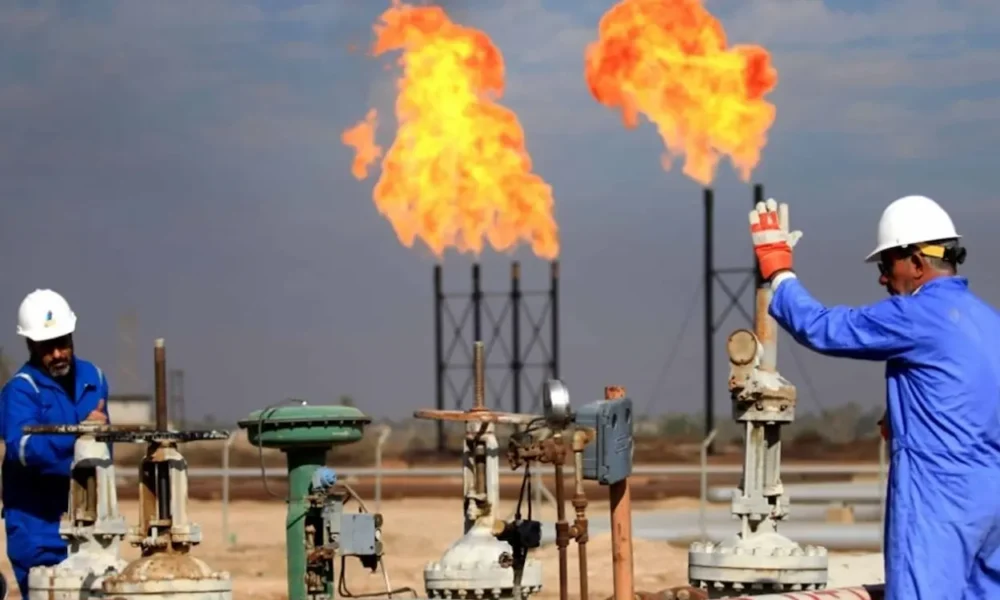
Spain’s gas imports fell by 8.6% in February 2026 compared with January, to 31.42 terawatt-hours (TWh), after a peak at the start of the year.
Despite this decline, liquefied natural gas (LNG) dominates at 68.8% of the total with 21.63 TWh, while natural gas accounts for 31.2% at 9.8 TWh. This evolution reflects a diversification of Spain’s energy sources.
Global supplier rankings
The United States remains in first place with 33.8% of imports, i.e., 10.61 TWh of LNG, despite a monthly drop to 15.26 TWh in January.
Algeria, second with 29.1% (9.15 TWh of natural gas), did not supply any LNG for the third consecutive month, losing ground to American competition. Russia comes third (14.6%, 4.58 TWh of LNG), followed by Nigeria (12.2%, 3.84 TWh) and Angola (6.5%, 2.045 TWh).
Stock declines and trends
Spain’s gas stocks fell by 14.2% year over year, reaching 56% storage capacity in February 2026. On an annual basis, total imports retreat by 16%, with LNG at 61.9% versus 38.1% for natural gas.
The Congo, Portugal and France complete the top eight, while Mauritania appears for the first time (0.1%, 0.03 TWh of LNG from the Grand Tortue Ahmeyim field).
Diversification and opportunities for 2026
In 2026, Spain accelerates its diversification, with the United States and Nigeria on the rise, and early Mauritanian flows signaling increased integration of African producers.
Algeria maintains a solid position via natural gas through the Medgaz pipeline, while infrastructures such as the Barcelona terminal strengthen LNG capacity. This strategy secures winter supply and opens markets for African exporters, promoting healthy competition and stable prices.