A few months ago, the American company Colossal Biosciences had generated a lot of buzz when it announced that it had resurrected an extinct species of prehistoric wolf through genetics.
The company has just announced the birth of chicks that developed in a synthetic egg. A success, according to the company, necessary to consider going further and resurrect the moa, a giant flightless bird that disappeared from New Zealand for at least 600 years, i.e., after the arrival of the ancestors of the Māori.
It is this bird, standing about three and a half meters tall and weighing around 200 kg, that Colossal Biosciences aims to resurrect, and for this, the first step is to have an egg large enough—at least 25 cm.
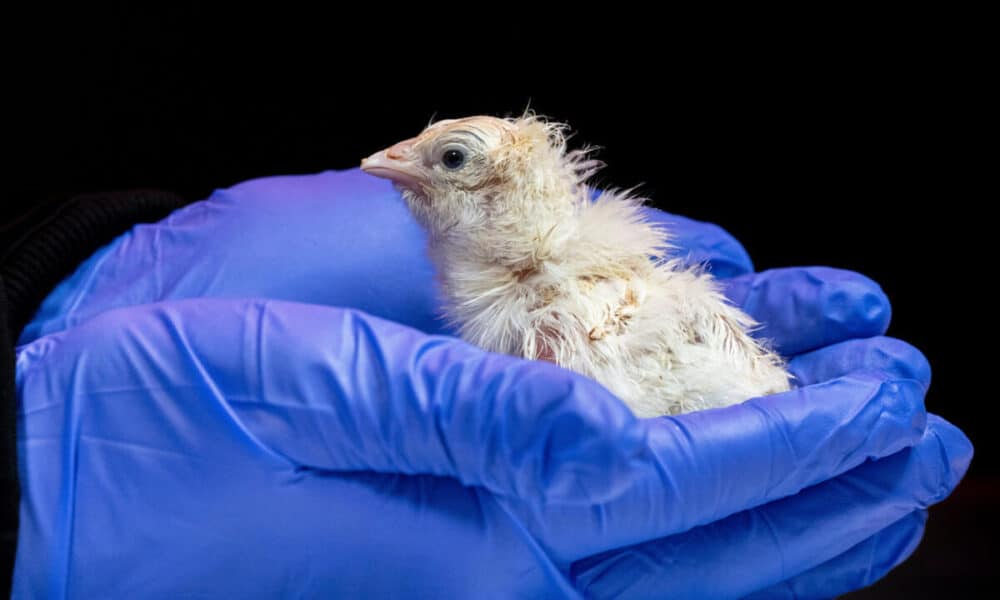
Since no animal today lays something of this size, the solution is therefore a synthetic egg. The one the company says it has developed is of normal size, 3D-printed. The embryos can develop in it and researchers can observe their growth. Twenty-six chicks were born in this way, validating the concept according to the company.
What was achieved? More than an artificial egg, it was a shell that was produced. The temporary organs that form to nourish and stabilize the chick in gestation were not integrated. These elements were added manually.
The aim of the experiment also raises ethical questions: can we truly resurrect a species? Colossal Biosciences had been criticized at the announcement of the resurrection of the dire wolf, extinct about 10,000 years ago. Scientists saw instead common gray wolves, genetically modified to resemble formidable wolves.
On the other hand, some scientists believe that, rather than reviving the past, it would be better to protect what remains of the present.