According to the World Development Report 2026 titled The Promise of Artificial Intelligence, published on August 4 by the World Bank Group, artificial intelligence (AI) could enable developing countries to accomplish in a decade what would otherwise take a century, provided that quick action is taken to close the gaps that persist in access to electricity, connectivity, skills and the quality of institutions, and thus avoid being left behind.
The report notes that 16.2% of jobs in developing economies could see significant productivity gains thanks to AI, a level close to the 18.7% expected in high-income countries. For developing countries, the AI potential lies not in replacing workers, but in augmenting their capabilities.
The World Bank’s report shows that AI is already helping populations, businesses, and governments solve problems, analyze information, improve forecasts, and deliver services at a larger scale.
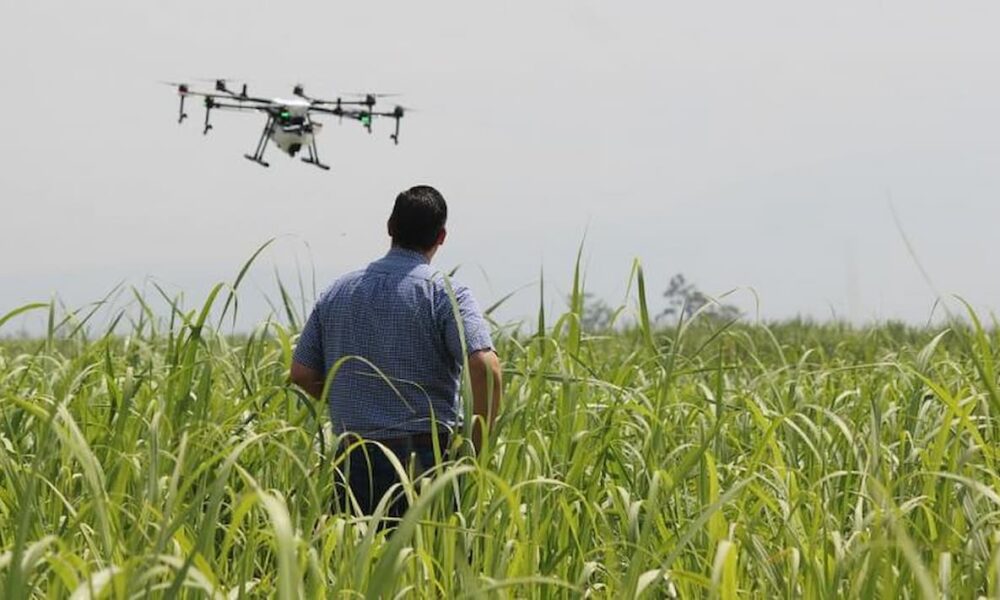
“AI tools help physicians make a diagnosis, farmers make better decisions, and businesses boost productivity. Governments could also use AI to improve tax collection, social programs, disaster management, health care, and education,” reads a World Bank press release.
And adds that developing economies are currently experiencing their slowest average growth in thirty years. According to the report, AI could substantially improve these performances by the end of the 2020s.