The Algerian authorities had announced in December 2025 that justice would come down hard on those who profit from the generosity of the tourist allowance; criminal penalties have been handed down: up to 7 years in prison for a defendant. The specialized criminal division in charge of economic and financial corruption cases in Sidi M’hamed did not compromise on a case involving the misappropriation of the 750-euro tourist allowance. The judges settled three separate cases, delivering verdicts ranging from outright acquittals to prison terms with fines of up to 500,000 dinars.
In the first case a man named F.A. was sentenced to the maximum penalty, seven years in prison plus a 500,000 dinars fine. The man described as the brain of the scheme, K.H., received five years in prison and a fine of the same amount. Two other defendants were sentenced to three years in prison and a 100,000 dinars fine each. Two accomplices were given one year in prison and a 200,000 dinars fine. Three individuals implicated in this same case were acquitted.
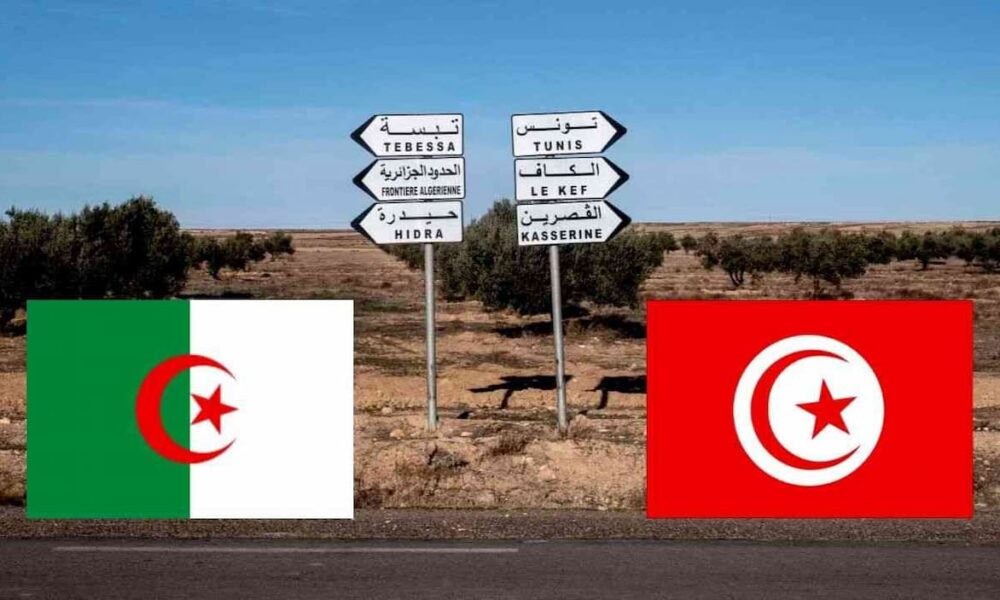
The fraud method uncovered by the investigators was simple yet devilishly effective. The gang members crossed the Tunisian border in what appeared to be the most legitimate manner, with the authorities’ stamps on their passports; then turned back a few hours later but clandestinely. The minimum stay required to qualify for foreign exchange at the official rate, seven days, was never observed.
These currencies obtained at the official rate consistently landed in parallel circuits, with substantial margins for the resellers. And to make the ruse perfect, these fictitious tourists would clandestinely return to Tunisia and re-enter Algeria through the legal channels. Thus, trips that never occurred filled the pockets of a few clever operators. The mechanism had already been exposed at the opening of the first trial, with more than 15 defendants appearing at the stand.
The Sidi M’Hamed court ruled on a second case of the same type. The principal defendant, named J.A., received five years in prison and a 500,000 dinars fine. Five other defendants were sentenced to one year in prison and a 50,000 dinars fine.
The third case, the largest, involved 22 people. Three of them were sentenced to five years of detention. Two defendants received a non-suit, the others must serve one year in prison. The courts held that sentences should be graded according to the number of clandestine crossings.
The representative of the public prosecutor left no room for the big players, who faced heavy charges: criminal association to obtain ill-gotten gains, illegal crossing of national borders, and violation of the legislation on movements of capital abroad.
Preliminary investigations and the judicial instruction revealed discrepancies in the offenses: some offenders admitted returning before the end of the legal stay, others acknowledged paying intermediaries to stamp their passports to disguise illegal crossings. Some were even caught red-handed at a border post.
In exchange for 20,000 dinars per travel document, the leaders of the fraud network were assured of continuing their lucrative business on the parallel currency market. With these sentences, there is a strong chance that the trafficking will shrink substantially. Now it remains to finely maneuver to expel the criminals while ensuring the tourist allowance remains, whose contribution to the sector is undeniable in both Algeria and Tunisia.