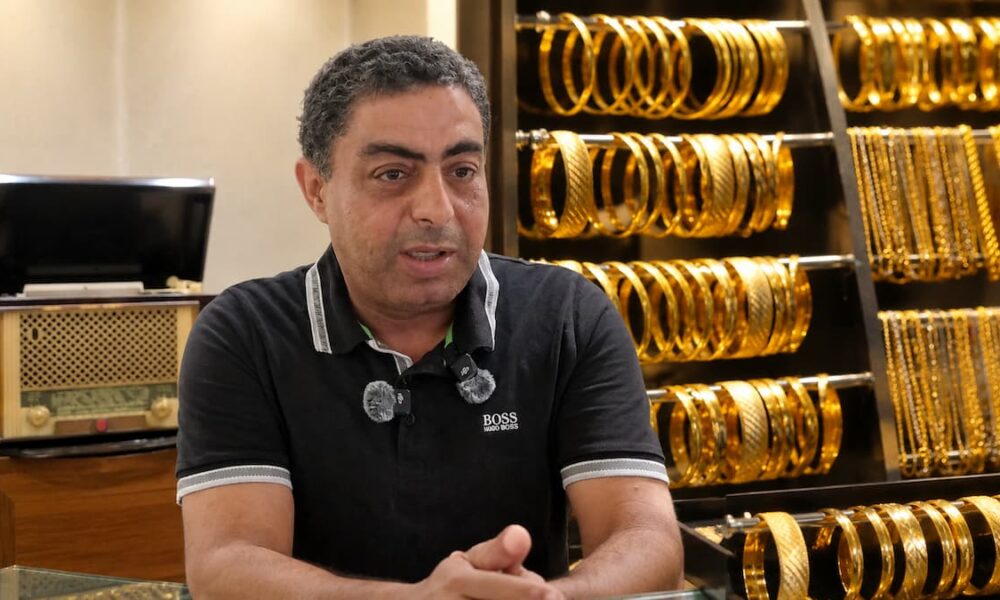
Wajih Mesfar, spokesperson and president of the Sfax Chamber of Jewelry Artisans, indicated, in a statement to Tunisie Numérique, that gold prices remain almost stable compared with the levels recorded last week, noting that the price of an ounce on the international market stays around 4,308 dollars.
Wajih Mesfar clarified that the price of the gram of 18-carat new gold stood, last week, around 409 dinars, after having risen before returning to that level. The gram of 18-carat gold (broken) was, for its part, traded between 300 and 305 dinars on the Tunisian market.
Regarding 24-carat gold, the price of the gram of new gold stood around 412 dinars. According to Wajih Mesfar, this level exceeds the price of gold on the international market, a situation he attributes to the shortage of raw material intended for manufacturing. He recalled that the State, through the Central Bank of Tunisia (BCT), remains the sole supplier of gold destined for manufacturing on the Tunisian market.
The gram of 9-carat recycled gold (broken) traded around 140 dinars, while the gram of new gold of the same karat stood between 210 and 220 dinars.
As for silver, Wajih Mesfar indicated that the price of an ounce reached 68 dollars on the international market, versus about 6 dinars per gram on the Tunisian market.
The president of the Sfax Chamber of Jewelry Artisans also stressed that jewelry prices can vary from one region to another, depending on the specifics of the local market, the price of gold procurement, as well as other factors related to manufacturing and jewelry-making activities. These elements may explain the price gaps observed between the different regions.
Seasonal slowdown and shortage of raw materials
Regarding market activity, Wajih Mesfar indicated that this period of the year, spanning from September to the end of the year, is generally marked by a slowdown in activity, which he considers a normal seasonal phenomenon.
He also stressed that the severe shortage of gold destined for manufacturing in Tunisia is explained by the fact that manufacturers do not receive the full monthly quotas allocated to them. He specified that by the end of September, artisans and manufacturers had only managed to obtain five quotas out of the nine monthly quotas planned, i.e., supply at a rate of one quota every two months. According to him, this pace does not allow meeting the market’s needs and responding to demand.
Wajih Mesfar also stressed that gold constitutes national wealth that does not depreciate, calling for ensuring a regular supply of raw materials and strengthening the resources made available to jewelry artisans.
Finally, he estimated that the stability of gold prices, similar to what was observed in the market during the 1990s, would help stabilize the sector, encourage investment, and provide greater visibility and peace of mind to jewelry professionals.