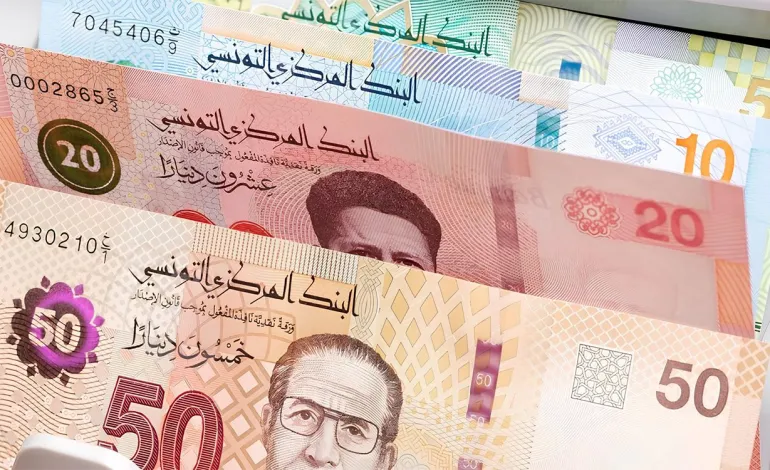
Beyond the surfeit shown by health insurance hides a dynamic of unpaid debts that links pensions to care and weighs on the daily lives of millions of insured.
A surplus that is not spent
At first glance, the National Health Insurance Fund (CNAM) appears as the model student of the Tunisian social system. Its net result estimated for 2025 reaches 627.6 million dinars, up modestly by 1.4% year over year, while the two pension funds dive into the red. This figure is reassuring, but it does not say where the money is.
The balance tells another story. The fund’s receivables rise to 16.1 billion dinars, i.e., 96.7% of its assets and about three years and three months of revenue. Its liquidity drops to 26.5 million dinars, compared with 106.1 million in 2023. In other words, CNAM holds a fortune it cannot cash in and a treasury that no longer covers its immediate needs.
The invisible chain of contributions
To understand this paradox, one must trace the money’s journey. The National Social Security Fund (CNSS), which covers private-sector employees, and the National Pension and Social Welfare Fund (CNRPS), which covers public sector workers, collect health insurance contributions from their members. They must then transfer them to CNAM, whose revenues come largely from these transfers.
But these two funds themselves are in deficit. When pensions tighten, part of the health contributions is used to pay them, and the remittance is delayed. CNAM does indeed record these sums as revenue, which props up its accounting surplus, but they accumulate as receivables rather than cash. The public enterprises report annexed to the 2027 Finance Law project does not detail the distribution of these receivables by debtor. The mechanism, however, is glaring.
When pension deficits spill over into care