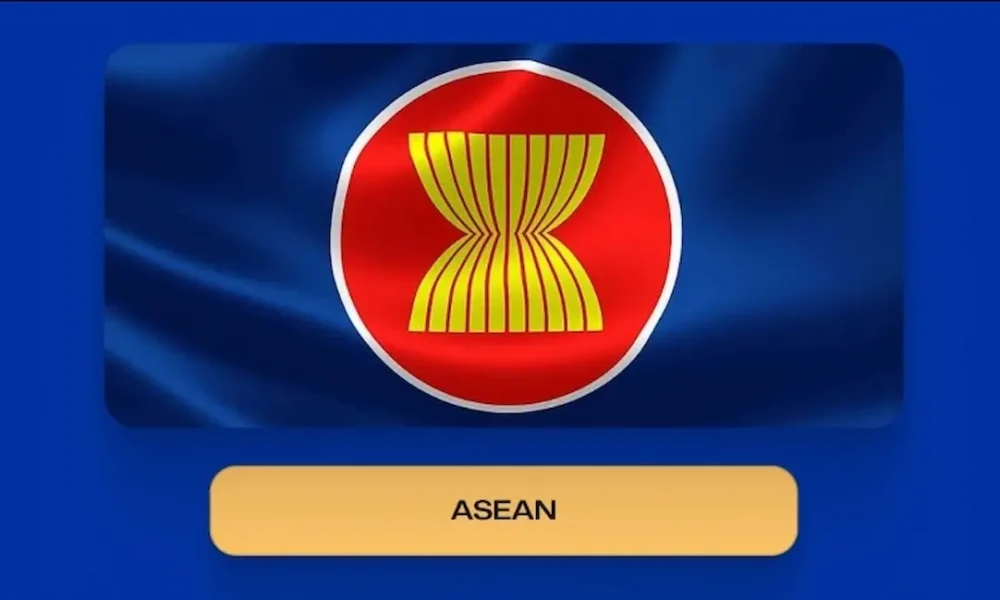
Ten nations unite under a single acronym: The Association of Southeast Asian Nations (ASEAN), which comprises Indonesia, Malaysia, the Philippines, Singapore, Thailand, Brunei, Vietnam, Laos, Cambodia, and Myanmar since 1967.
Born to preserve peace amid post-colonial regional tensions, this economic organization today accounts for 670 million people and a combined GDP exceeding 3,000 billion dollars. To grasp the workings of global trade, ASEAN shows how regional cooperation accelerates growth and integration into global value chains.
The founders, led by Indonesia under Sukarno, aimed for stability in the face of communism and Indochinese conflicts through the Bangkok Declaration. In the 1980s, emerging free-trade zones attracted Japanese and American investments toward clandestine textile workshops and electronics factories. The expansion to Indochinese countries in the 1990s integrated rice and coffee agriculture, while Singapore became a global logistics platform dependent on China in Oceania.
The 2020 RCEP, the largest free-trade area in the world, cements ASEAN as a Sino-American pivot with 30% of global trade. Vietnam assembles smartphones for Samsung, Thailand exports rubber and poultry, Malaysia refines palm oil for Europe.
This climate-favoring diversification—from the Mekong Delta’s rice paddies to Sumatra’s plantations—stabilizes food supplies in the face of global fluctuations, while promoting common environmental standards.
ASEAN embodies a prosperous Southeast Asia, weaving exchanges and resilience at the heart of the global economy.