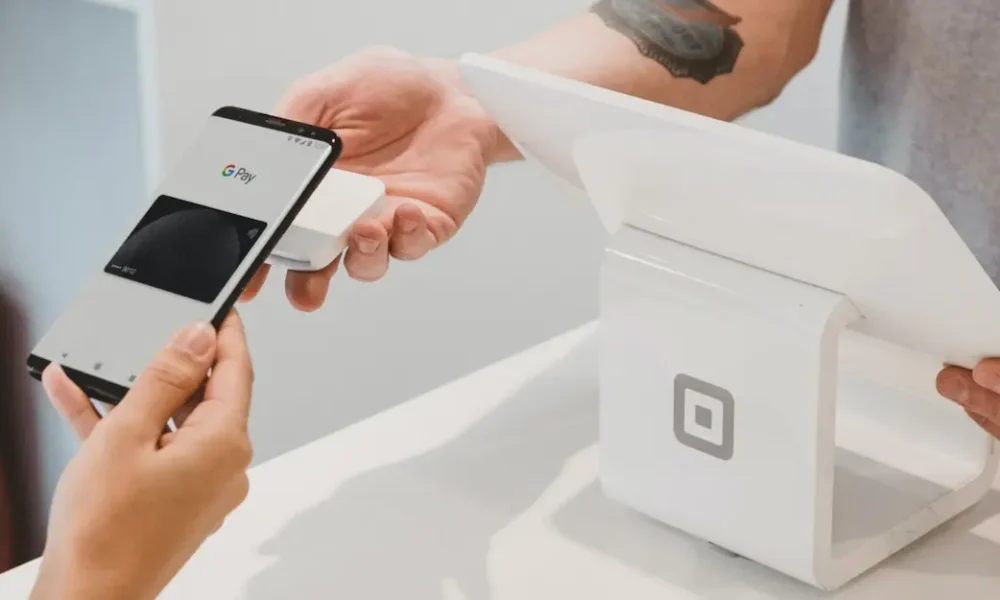
An electronic wallet is also called a digital wallet or e-wallet. It is a payment solution that allows online purchases without having to disclose bank details.
The advantage of an e-wallet is primarily security. Indeed, you do not transmit to the merchant either your bank account details or your credit card number. Thus, you limit the risk of fraud or interception of sensitive data. The electronic wallet serves, in a sense, as an intermediary that protects.
The electronic wallet, or e-wallet, thus transforms financial habits by making transactions fluid and immediate, without pulling out a card or cash. This digital innovation simplifies daily life while better protecting sensitive data.
This digital device stores bank cards, accounts, and sometimes vouchers or tickets in a secure app on a mobile device or computer. It is funded by linking personal and financial information to an account with a provider such as PayPal or Paylib, where they remain encrypted. Thus, during a purchase, only a single unique token passes through, preserving the anonymity of the real coordinates.
In-store, bring the device near the terminal via the NFC technology (Near-field Communication), confirm with a code or a biometric fingerprint, and the payment is completed instantly. Online, a quick connection to the app debits funds directly or from a preloaded balance, facilitating transfers between friends or various purchases. Security layers such as two-factor authentication continuously safeguard these smooth operations.
The electronic wallet today stands as a practical ally of modern exchanges, inviting everyone to adopt these tools for confident money management.
The sector of electronic wallets is crowded and in full growth. Companies offer services enabling users to settle their online and in-person purchases using their respective apps. Likewise, many banks and card issuers have their own electronic wallet feature in their mobile apps.