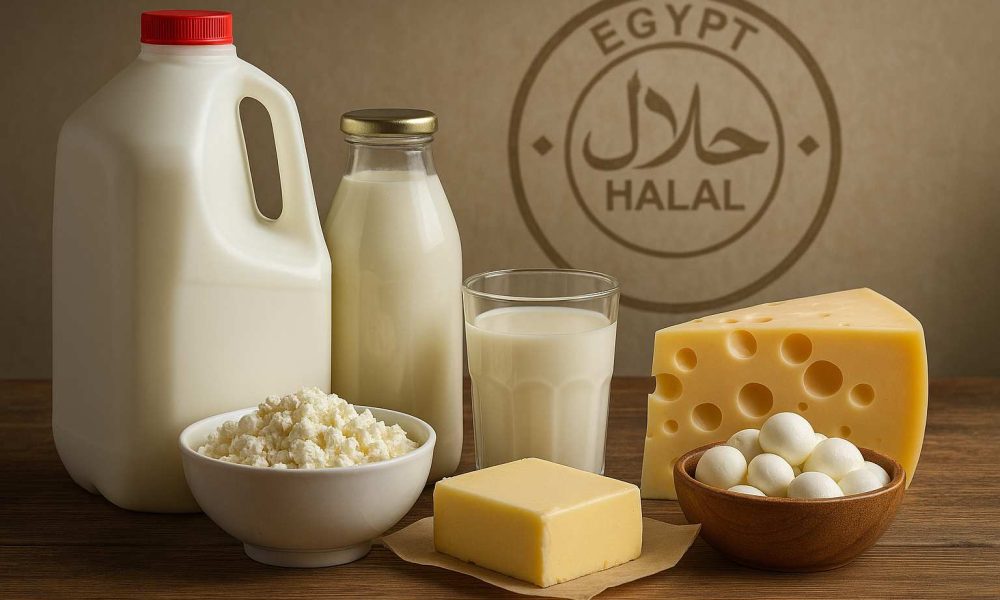
Tunisia has significant potential to develop its trade in halal products and services and to increase its exports to Arab, African and Asian markets. This was stated on Tuesday, September 29, 2026, by Mamadou Boukar Sall, Deputy General Director of the Islamic Center for the Development of Trade (CIDC), at the opening of the first edition of the Halal International Forum in Tunis, according to the TAP news agency.
According to him, the main products and services involved include agro-food, olive oil, fishing products, financial services, tourism and cosmetics. He called for strengthening the halal certification system, facilitating Tunisian companies’ access to foreign markets, and concluding agreements with countries of the Organisation of Islamic Cooperation (OIC), as well as with Asian, Arab and African countries.
A “Halal Higher Council” Proposed
The CIDC head proposed the creation of a Halal Higher Council, placed under the supervision of the Ministry of Trade and Export Development, which would bring together notably UTICA, FIPA, CEPEX and the Ministry of Industry. He also urged the development of Islamic finance, through the adoption of dedicated regulatory texts.
Forty Active Companies, Candidacy for the 2027 World Halal Summit
The CEO of the Center for Promotion of Exports (CEPEX), Mourad Ben Hassine, indicated that the number of active companies in Tunisia’s halal economy stands at around 40, compared with about twenty in 2023. He added that Tunisia is a candidate to host in 2027 the World Halal Summit, organized by the Islamic Countries Standards and Metrology Institute (SMIIC), with CEPEX working on this dossier alongside the Ministry of Trade.
For the forum’s partner organizer, Tunisian halal sector exports reach about 1.3 billion dinars, driven mainly by food products. According to the data he presented, Muslim consumer spending amounted to about 2,600 billion dollars in 2024 and could approach 3,560 billion by 2029.