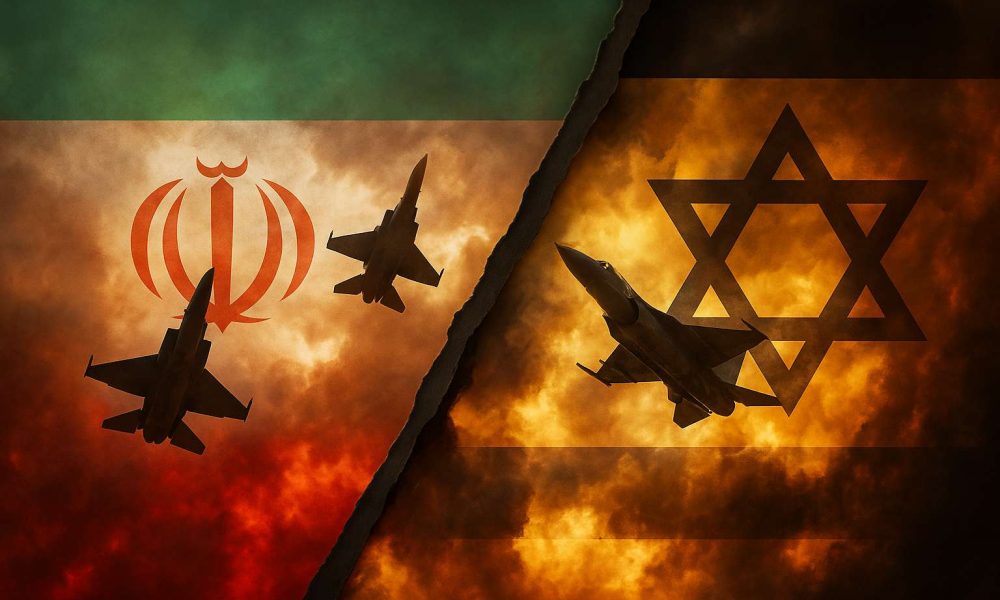
Persistent tensions in the Middle East are reshaping global economic balances and sharply exposing the fragilities of energy-importing economies.
In this context, a report from the Arab Institute of Business Leaders (IACE) warns of potential repercussions for Tunisia, identifying critical transmission channels and proposing a framework for reading the situation articulated around three scenarios. The analysis is unambiguous: the shock is first and foremost energy-related, but its ramifications extend to all macroeconomic balances.
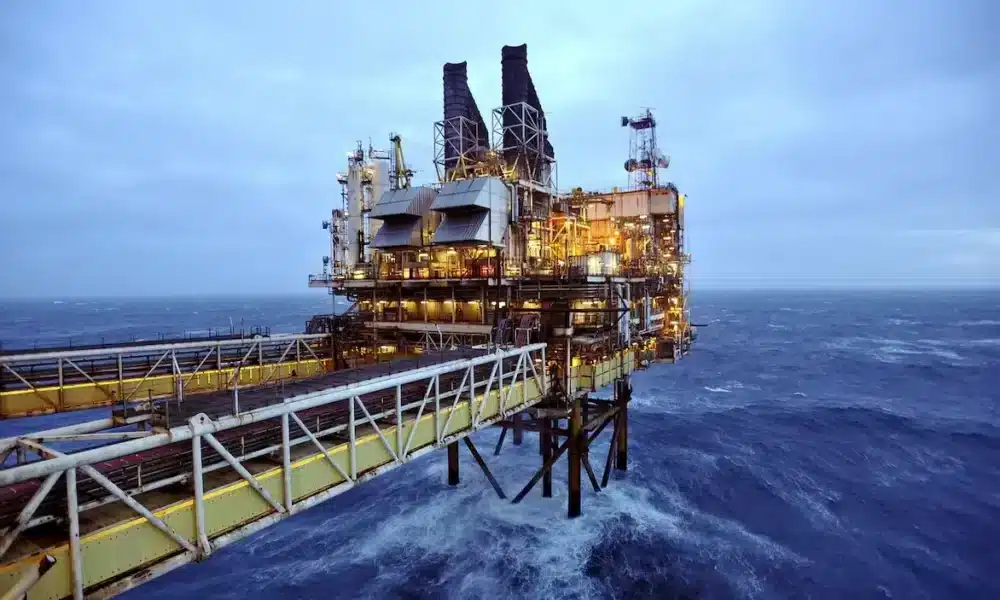
The prospect of a barrel of oil sustainably above $100 constitutes a major destabilizing factor. While the 2026 Finance Law rests on a $63.3 assumption, every additional dollar mechanically raises the cost of energy subsidies, further squeezing budgetary margins that are already limited. This vulnerability is amplified by a structural energy deficit greater than 6% of GDP and a dependence on imports covering nearly 65% of national needs.
External imbalances under pressure
Beyond energy, the balance of payments appears as a central fragility point. With nearly 98% of trade moving by sea, any disruption of strategic routes, notably in the Gulf, leads to higher logistical costs and widens the trade deficit. In an international environment marked by constrained access to external financing, this dynamic exerts direct pressure on foreign exchange reserves and increases the risk of dinar depreciation.
Inflation constitutes another critical transmission channel. Essentially import-driven, it is amplified by higher costs of industrial inputs, agricultural products and transport. This inflationary dynamic transcends the economic sphere to become a social and political issue, with a risk of a self-reinforcing spiral, particularly if the use of monetary financing were to intensify.
Growth exposed to European winds
The dependence of Tunisia on European conjuncture strengthens the transmission of shocks. A slowdown in the euro area would directly affect industrial exports, particularly in the textile, mechanical and electrical sectors. At the same time, sectors such as agriculture, heavily dependent on imported fertilizers, or air transport, would suffer a significant rise in production costs.
Public enterprises, notably in the energy and transport sectors, are on the frontline. The increase in operating costs worsens their financial imbalances and strengthens their dependence on state budget support. Concurrently, the tightening of financing conditions on international markets could raise the cost of sovereign debt.
Three scenarios for a single imperative: resilience
The report outlines three prospective scenarios. The first envisions a prolonged regional escalation disrupting energy flows. The second, more extreme, rests on a closure of the Strait of Hormuz, triggering a major oil shock.
The third bets on a gradual de-escalation and market stabilization. In each of these cases, the Tunisian economy appears highly exposed, with differentiated yet systematically significant impacts on public finances, external balances, and growth.
From crisis management to structural transformation
Facing these risks, the immediate response is to cushion the shock. Building strategic stockpiles, targeting subsidies, supporting the most vulnerable sectors, and rigorous management of inflation expectations are priorities. Fiscal discipline and monetary prudence become essential conditions for preserving macroeconomic balances.
But beyond the urgency, the challenge is structural. Reducing dependencies constitutes a central strategic axis. Accelerating the energy transition, securing agricultural supplies, diversifying trading partners, and mobilizing new sources of financing, notably from the diaspora and international institutions, fit within this logic.
In essence, the crisis acts as a reveal of the deep vulnerabilities of the Tunisian economy: energy dependence, persistent budgetary imbalances, and weak diversification of production. It also offers an opportunity for strategic redefinition. More than a cyclical response, it is a transformation of the economic model that is now posed, with the objective of strengthening resilience to external shocks in a durable way.