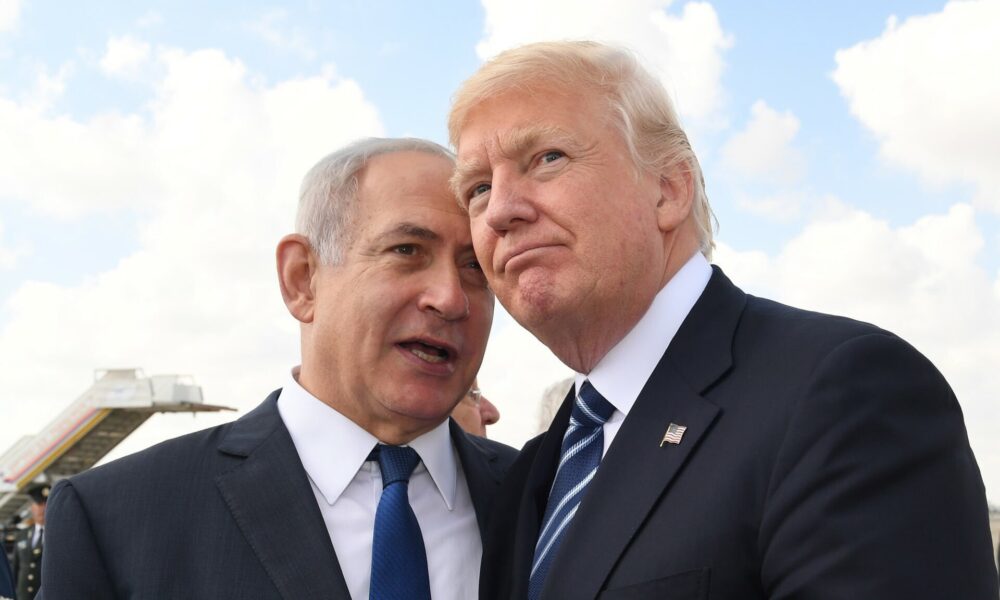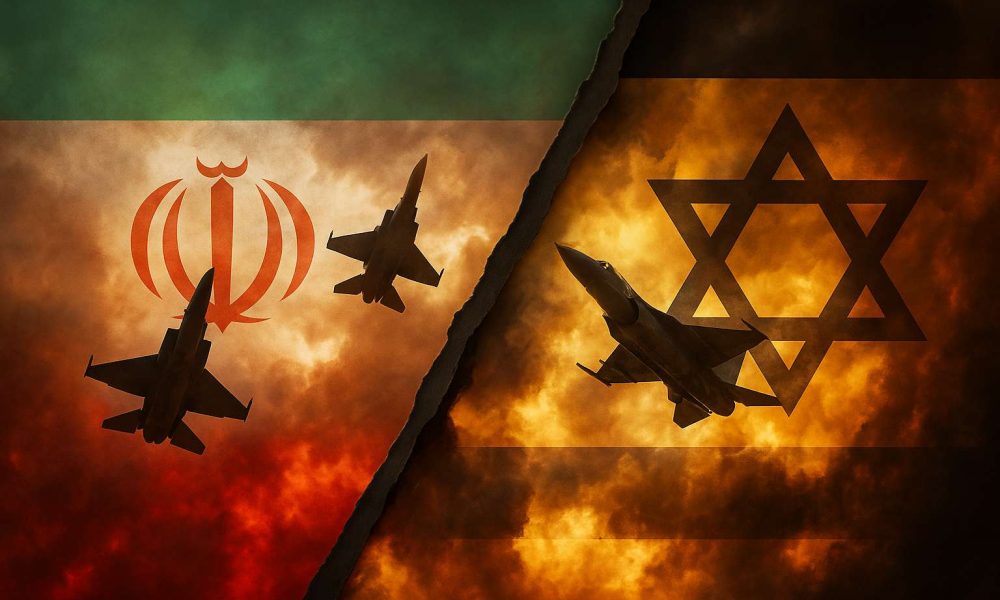
Tensions between Israel and Iran have sharply escalated this Friday, after a day of reciprocal strikes driven by successive attacks and threats between the two countries. This new confrontation comes after Tehran bombed an Israeli oil refinery and after a warning from U.S. President Donald Trump, who urged Israel not to launch further attacks on a maritime gas field shared between Iran and Qatar.
This Friday, Israel carried out an airstrike on Tehran, stating in a brief communique that the attack targeted the “Iranian terrorist regime.” In response, Iran launched a barrage of rockets at Israel, triggering air-raid sirens in Tel Aviv, while explosions from Israeli air defenses echoed across the city.
Since the start of the Israeli strikes against Iran on February 28, thousands of people have been killed, mainly in Iran and Lebanon, and the conflict has spread to neighboring countries, causing significant global economic damage. The scale of the conflict has affected several vital sectors, notably energy.
Threats and additional attacks in the region
In a tense context, the United Arab Emirates reported a “missile threat” on Friday morning, concurrent with the Eid al-Fitr celebrations. The Kuwait Petroleum Corporation, for its part, announced an attack on one of its oil refineries, carried out by a drone.
Reciprocal strikes and the escalation of Iranian attacks on energy infrastructure have disrupted global energy markets, exacerbating the global energy crisis. Oil prices rose sharply on Thursday after Iran responded to an Israeli strike on a major gas field by targeting the industrial city of Ras Laffan in Qatar. The attack caused significant damage, damages that, according to experts, will take years to repair.
Impact on global energy trade
The attack also impacted Saudi Arabia’s oil infrastructure, which allowed the kingdom to channel part of its oil exports to avoid the Strait of Hormuz, a key passage now blocked by Iran. This same passage, through which about a fifth of the world’s oil exports pass, has become a major focal point of military tensions.
However, oil prices edged lower this Friday after major European countries and Japan offered their help to secure safe passage for ships through the Strait of Hormuz. Meanwhile, the United States took steps to increase oil supplies and stabilize markets.
Conclusion: a war that affects the global economy and regional stability
The conflict between Israel and Iran, intensified by attacks on energy infrastructure and threats to block the Strait of Hormuz, continues to disrupt global markets and increase instability in the Middle East. As the United States and its allies seek solutions to stabilize oil prices and secure strategic navigation routes, the climate of war seems far from calming, with growing global repercussions.