Each year, the month of Ramadan triggers an increase of nearly 15% in household spending and a surge in food sales, while fueling a dynamic around what is described as the “economy of faith.”
However, this is a seasonal peak that is more cultural than structural, often achieved at the expense of savings and without a major macroeconomic impact.
Explosion of food and artisanal spending
The month of Ramadan once again reshuffles the cards of the economy. Figures show a spectacular rise in household spending during this period. Grocery aisles are crowded, essential goods see their sales skyrocket, and an entire segment of the “economy of faith” starts moving. However, one must not be mistaken. This is not a structural growth engine, but a seasonal consumption peak, inscribed in a fully embraced cultural model.
The holy month of Ramadan 2026 generates a spectacular surge in food consumption in Tunisia, with an estimated 20-25% increase in the average household basket according to the National Institute of Statistics. Premium red meats, exotic fruits, imported dairy products, refined artisanal pastries, and specialty coffees see their sales jump, turning this month into a true seasonal economic engine.
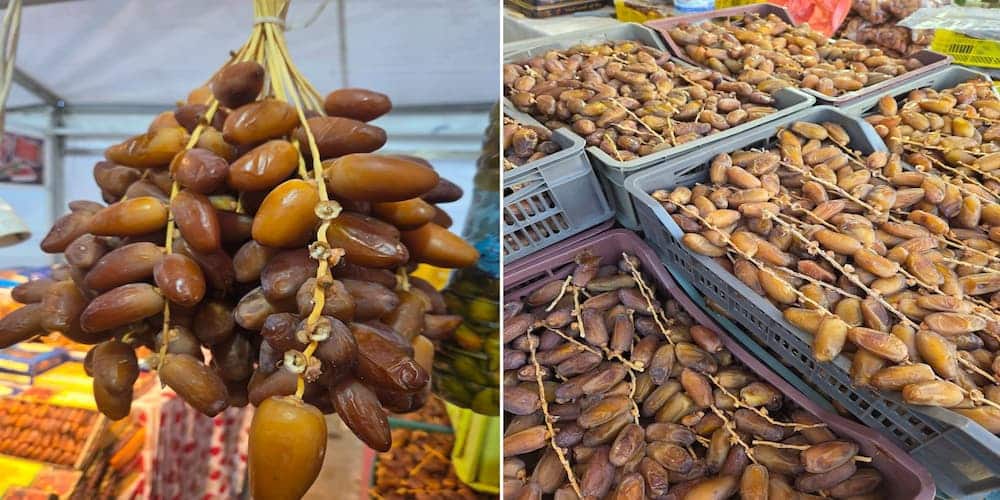
Supermarkets, hypermarkets and popular souks record historical attendance, while authorities deploy strategic stocks of sugar, subsidized olive oil – to curb inflation and speculation. This traditional dynamic, amplified by the psychological effect of collective fasting, particularly boosts imports of Medina dates and premium fish.
Key consumption products
Tunisians households double their food budgets during the pre-Ramadan period, allocating on average 350 dinars per household for preparatory purchases according to sector surveys. Premium beef and lamb account for 40% of expenditures, followed by prawns and squid for the coastal ftours selected.
Traditional pastries generate a market of 120 million dinars, boosting the activity of 15,000 declared artisans. Supermarkets triple their shelves of imported canned goods (premium tuna, sardines) and high-end frozen products. Ground coffee beans roasted dry and scented green teas fly off the shelves, while Iranian dried fruits and California walnuts saturate the stalls. This commercial fervor contrasts with eroded purchasing power but is offset by seasonal family debt.
Regulation and controls
Facing this consumer-led street, the Ministry of Trade activates an exceptional scheme: strict ceilings on 35 strategic products, a massive injection of 150 tons of additional coffee, and 3,000 control agents mobilized starting from the day before. In 2025, 1,200 infringements (fines totaling 2 million dinars) sanctioned weight fraud and speculation on cherry tomatoes and California peppers.
UTAP calls for abundant agricultural supply to contain price surges (+35% on certain vegetables in 2025). Targeted distributions of basmati rice and premium semolina aim at disadvantaged areas. Anti-waste campaigns, led by INNORPI, remind that 30% of Ramadan purchases end up in the trash.
The measures cover subsidized record supplies; 24/7 controls at 500 hot spots; dynamic ceilings on 40 fresh products; campaigns to raise awareness about waste; support for artisanal pastry businesses; hour-by-hour inflation monitoring; e-commerce platforms dedicated to local products. These mechanisms ensure supply-demand balance over 30 days.