A three-speed system, public, private, and pilot, is quietly reshaping the social trajectories of a generation. An analysis of a national project that has become urgent.
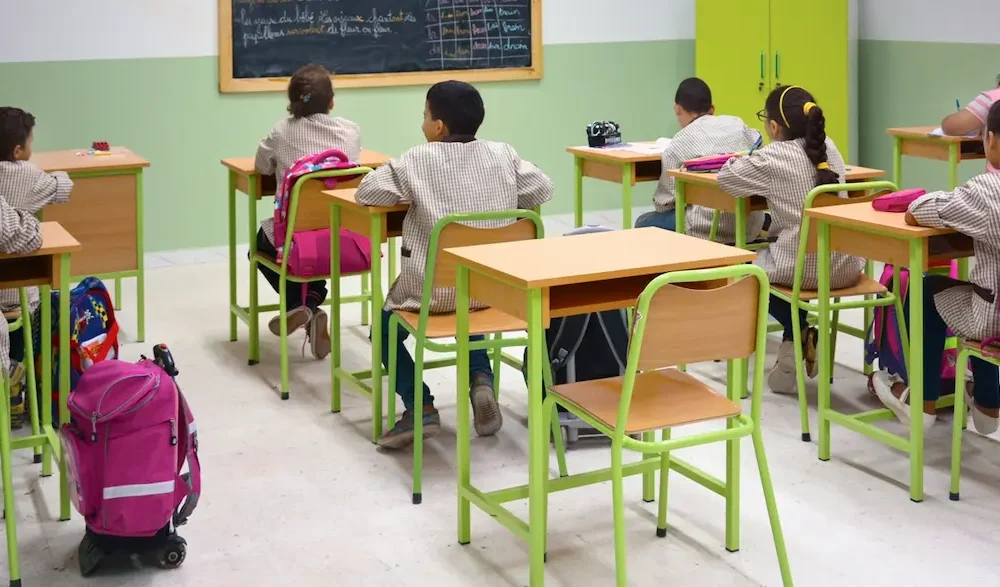
At eleven years old, the future of a Tunisian child is already at stake. A competition, a few points’ difference, and an entire academic, social, sometimes even migratory trajectory can tilt. This turning point, far from being anecdotal, reveals the deep flaws of an educational system torn between the ambition of excellence and the increasingly fragile promise of equal opportunity.
Since independence, the school has been conceived as the country’s main lever of social mobility. But seven decades on, the coexistence of three tracks—the public education system, the private sector, and the pilot network—has ended up producing the opposite effect: growing polarization that troubles both families and specialists in public policy.
These findings find a precise echo in a Policy Brief published by the Association of Tunisian Economists (ASECTU) within the Savoirs éco project, funded by the European Union and implemented by Expertise France. The study cross-references official statistics from the Ministry of Education with an unprecedented survey conducted among 200 families and 42 school principals in the Greater Tunis area, offering a rare, well-documented photograph of a system under strain.
A social elevator showing signs of fatigue
The figures are dizzying. A Tunisian student today would accumulate up to six years of learning delay compared with international peers, according to an estimate based on the latest available PISA results and the methodology of schooling years adjusted for attainment.
The dropout rate hovers around 4%, while unemployment among graduates surpasses 23%, a symptom of a growing divorce between the skills transmitted and the real needs of the labor market.
Strikingly, this qualitative deterioration occurs even as access to education has never been as broad. The latest census by the National Institute of Statistics, in 2024, shows enrollment rates of 28.6% in primary, 37.1% in secondary, and 16.1% in tertiary education. The universalization of access has therefore not, on its own, sufficed to guarantee the equity of pathways.
The pilot-private-public fracture tested by the numbers