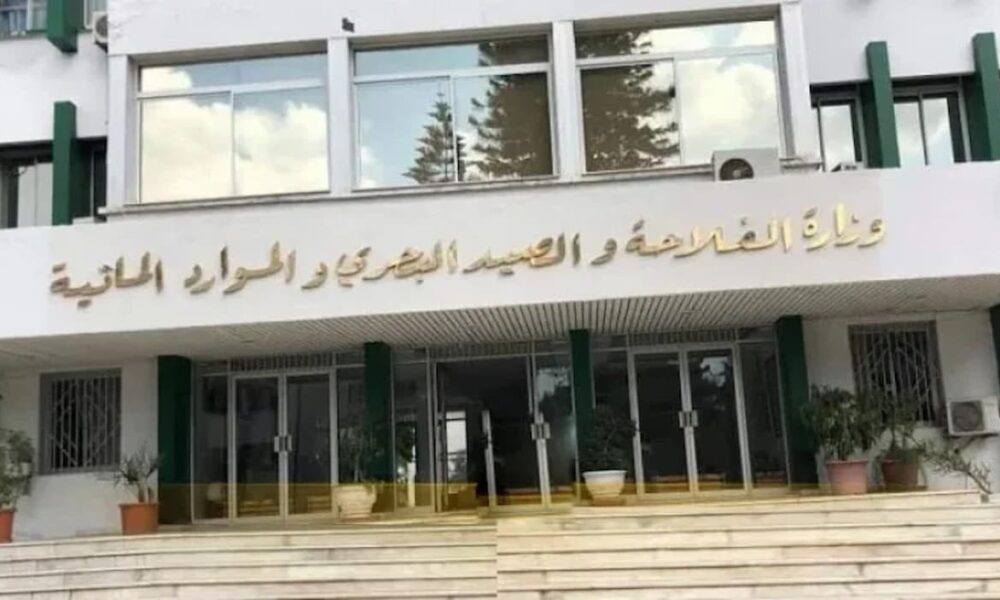
The Ministry of Agriculture, Hydraulic Resources and Fisheries has adopted a series of measures aimed at guaranteeing the continuity of irrigation water supply in the Tozeur Governorate. Among the main provisions are the installation of 10 new wells and their connection to the irrigation networks, as well as the integration of damaged wells into the five-year plan, with the mobilization of the necessary credits for their realization according to priorities. The program also provides for the maintenance and renewal of irrigation networks, as well as the repair of breakdowns to ensure the continuity of water distribution cycles.
In response to a written question from Deputy Ramzi Chtaoui to the Assembly of the People’s Representatives regarding the irrigation water situation in the Tozeur Governorate and the measures taken to safeguard the irrigation system, the Ministry said that its services conduct periodic monitoring of the wells’ characteristics, notably their flow rate, salinity level, and the level of the groundwater table, to ensure the continuity of irrigation water supply.
Regarding the causes of irrigation water outages despite farmers’ payments, the Ministry explained that these are mainly due to debts accumulated by agricultural development associations toward the Tunisian Electricity and Gas Company (STEG). It noted that despite awareness-raising days and extended deadlines, the amounts owed were not settled, which led to electricity outages.
The Ministry added that an agreement was subsequently concluded with the presidents of the associations, providing for the collection of 40% of the debts for 2025. The remaining debts of the associations will be rescheduled over a seven-year period, in accordance with the presidential decision.
As for revising the irrigation water management system, the Ministry stated that it falls within the framework of the national strategy aimed at involving civil society in management, in order to facilitate access to financing and support programs.
Programs aimed at protecting the oasis system and ensuring its sustainability also include a project to replace deep wells, at an estimated cost of nearly 50 million dinars. The works are expected to commence in 2027. The project aims to protect water resources, optimize water use, and combat desertification. It notably involves drilling deep wells, the installation of irrigation networks and hydraulic structures, as well as the creation of sanitation and drainage networks.
Moreover, the progress rate of the Integrated Rural Development Project at Hazoua and Tamerza has reached about 70%, with an estimated cost of nearly 16 million dinars. Additional state-financed projects have also been programmed, including the development of irrigated perimeters in Chbeb Jhim, Dhahria, Bir Roumi, Mzara and Chakmou, as well as the creation and rehabilitation of water cooling systems.
According to the Ministry, maintenance and dredging operations of irrigation and drainage networks continue with annual credits ranging from 800,000 to one million dinars, aimed at improving network yields and guaranteeing the sustainability of the irrigation system in the region.