The Ministry of Agriculture, Hydraulic Resources and Fisheries is preparing, with the relevant national bodies, a portfolio of projects aimed at mobilizing international climate finance.
The objective is to support the adaptation of the agricultural, hydraulic and maritime sectors to climate change, while contributing to the reduction of greenhouse gas emissions and to the response to losses and damages.
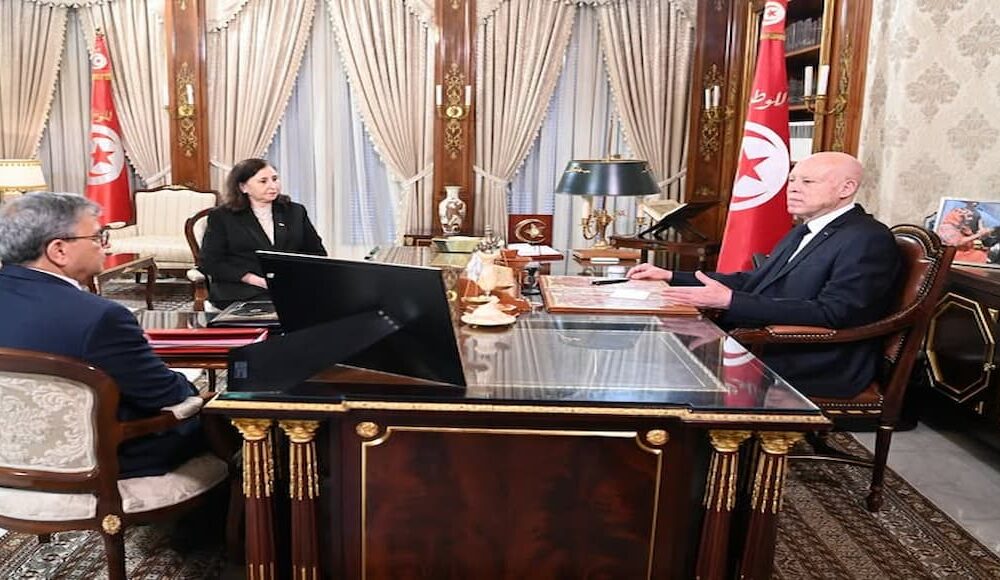
This approach was discussed at a meeting chaired by Minister Ezzeddine Ben Cheikh, devoted to the mechanisms of the Green Climate Fund (GCF) and the Loss and Damage Fund (FRLD).
Strengthening access to international financing
The meeting aligns with the ministry’s efforts to mobilize international resources and enhance the capacity of national bodies to benefit from climate finance mechanisms.
The interventions presented outlined the objectives of the two funds, their areas of intervention, as well as the conditions and procedures for accessing the available resources. The aim is to form a set of projects that can be developed and financed, meeting both national and sectoral needs and the criteria of the international funds.
Participants also highlighted the role of the Agricultural Investment Promotion Agency (APIA), presented at the meeting as a national body accredited with the Green Climate Fund. It is expected to contribute to mobilizing financing and to support national bodies in preparing their projects.
Pressure on water, land and marine resources
The discussions addressed the consequences of climate change on agriculture, water resources, forests and maritime activities.
The rising temperatures, the decrease in rainfall and the recurrence of drought, heat and flood episodes are intensifying pressures on water resources, irrigation, agricultural lands and pastures, according to the presented elements.
The exchanges also covered the effects of these phenomena on livestock, strategic crops, forests, ecosystems and marine resources, as well as on fishing and aquaculture.
The data presented highlighted the need to prioritize projects based on scientific knowledge and technical studies. These projects must contribute to strengthening the resilience of the sectors involved, protecting natural resources and supporting food security, while reducing emissions, losses and damages.
Turning research into concrete projects
Ezzeddine Ben Cheikh called for strengthening the role of scientific research in defining priorities and designing projects.
He recommended working with APIA to translate research results into clearly defined, studied and fundable proposals that can then be implemented.
The minister also stressed the valorization of studies devoted to climate change, in order to derive solutions and applications that meet the real needs of agriculture, water resources and fisheries.
In this perspective, he requested reinforcing data, evaluation and analysis systems related to losses and damages.
Supporting project developers
APIA was invited to strengthen its role of informing, guiding and supporting the relevant structures and project idea developers.
This assistance should enable them to improve their proposals, increase their level of preparation and meet the conditions and criteria for accessing international climate financing mechanisms.
The minister also advocated for closer coordination with donors and technical and financial partners. He stressed the need to accelerate the mobilization of available mechanisms, while ensuring that projects are realistic, feasible and directly linked to the sector needs.
Thanking the Ministry of Environment and the various participating structures, he underscored the complementarity of interventions and inter-ministerial coordination to develop projects in line with national priorities.
Fisheries and aquaculture among the priorities
The minister asked to integrate and develop projects specific to fishing and aquaculture within the portfolio of climate priorities.
This orientation takes into account the sensitivity of marine resources and ecosystems to climate changes. It aims to highlight the needs of these activities in the preparation of funding requests.
A portfolio to be structured according to project maturity
At the end of the meeting, participants agreed to continue coordination between the Ministry of Agriculture, the Ministry of Environment and the other relevant national bodies.
The work should focus on the development of concept notes and the ranking of project ideas according to their priority, their level of preparation and their ability to obtain funding. At this stage, the conclusions presented thus concern the preparation of the national portfolio.
The meeting brought together officials and managers from the Ministry of Agriculture, representatives of the Ministry of Environment as well as bodies responsible for financing, investments, agricultural production, water, forests, fishing and aquaculture.
The fields of organic farming, rural engineering, studies and development, research, higher agricultural education and international cooperation were also represented.