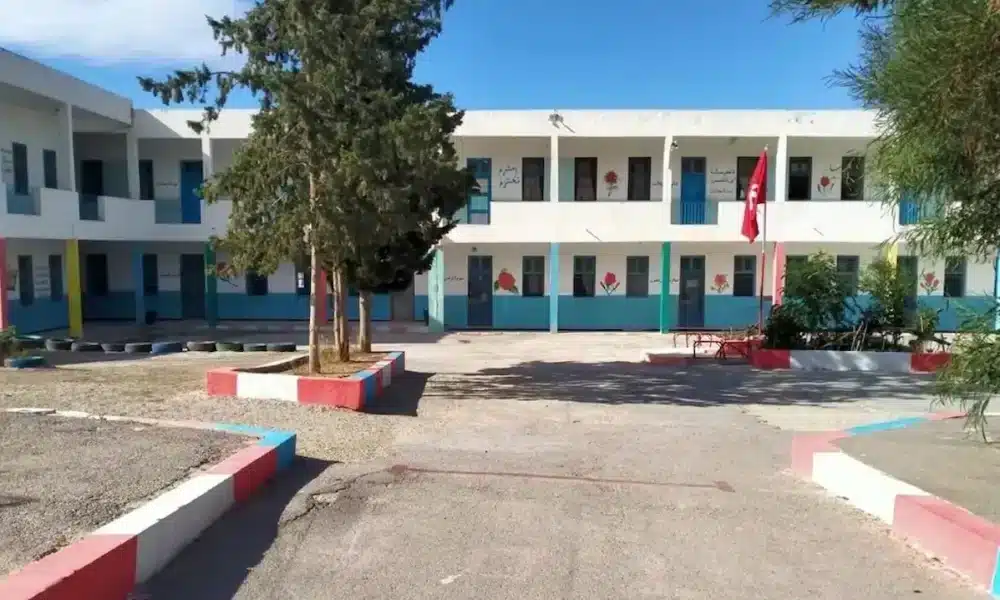
Since independence, Tunisia has built an essential part of its social contract around the principle of universal and free access to education.
This institutional choice has profoundly transformed the country. The expansion of the public education system has enabled a massive democratization of schooling and contributed to the valorization of human capital as well as to the social mobility of broad segments of the population.
Today, public education remains largely subsidized by the Ministry of Education and the Ministry of Higher Education. Administratively, enrollment fees remain low and public university fees are symbolic.
On paper, schooling in Tunisia remains therefore one of the most accessible in the region. However, this apparent gratuity masks a much more complex economic reality, because while the state covers the bulk of the infrastructure and the system’s operation, the real cost of schooling is gradually shifting to households.
The hidden cost of schooling for households
Education-related expenditures are not limited to administrative fees. They accumulate daily in the form of peripheral charges that weigh directly on family budgets.