The war in the Middle East, triggered on February 28, 2026 by the operation “Epic Fury” conducted by the United States and Israel against Iran, is disrupting global supply chains beyond hydrocarbons.
A drone attack on March 2 halted production at the Ras Laffan gas liquefaction plant in Qatar, shutting down two of the three helium recovery sites and blocking the Strait of Hormuz, through which a quarter of the annual exports of this gas pass.
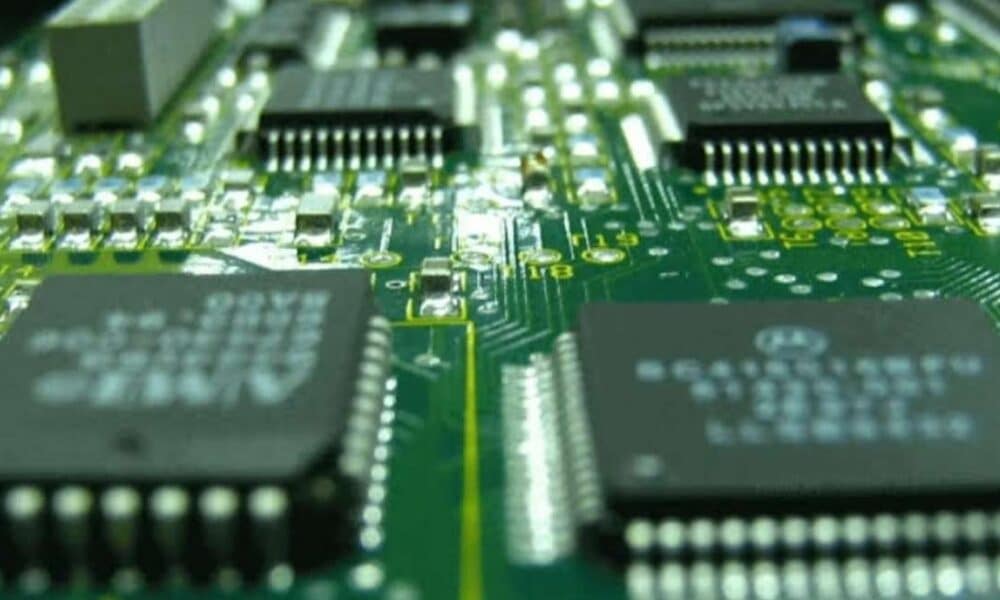
Semiconductor manufacturers, the world’s largest consumers with 20% of demand, fear a rise in chip prices, amplified by the rush toward artificial intelligence.
Central role of Qatar in production
Qatar supplies about one third of global helium, extracted during the liquefaction of natural gas, according to the United States Geological Survey.
QatarEnergy declared force majeure two days after the attack, with a restart contingent on a full ceasefire to assess damages at Ras Laffan and Messaieed. The third Qatari site was already shut down for maintenance, thereby limiting 38% of global helium production.
Rising prices and industry responses
Helium prices have doubled since the start of the conflict, according to Kornbluth Helium Consulting, risking to fuel the surge in electronic memory and other components. The closure of the Strait of Hormuz complicates shipments to Asia, where chip plants are concentrated, while South Korea imported 64.7% of its helium from Qatar in 2024. South Korean officials warn of potential production disruptions if supplies continue to run short.
SK Hynix and TSMC say they have adequate stockpiles and diversified supply chains to avoid immediate impact, while Samsung is installing recycling systems aiming for a 20% recovery. GlobalFoundries is implementing mitigation plans in Singapore, and Taiwanese Pegatron and GlobalWafers confirm reserves covering multiple years. The American Semiconductor Industry Association had already warned in 2023 about vulnerabilities linked to concentration in only a few countries.
Broader dependencies in outlook
The United States still dominates with 40% of global production, but its share has halved over twenty years in the face of the Qatar-driven rise since 2005. South Korea also depends on the Middle East for 14 other materials, such as bromine, although alternatives exist in other markets. Algeria is emerging as an alternative supplier for Europe, with Sonatrach well positioned to fill the Qatari gap.
The crisis underscores the fragility of critical supply chains for semiconductors, with prices expected to rise if the conflict persists beyond a month. Industry players are accelerating diversification and recycling to mitigate the impact on global production lines.