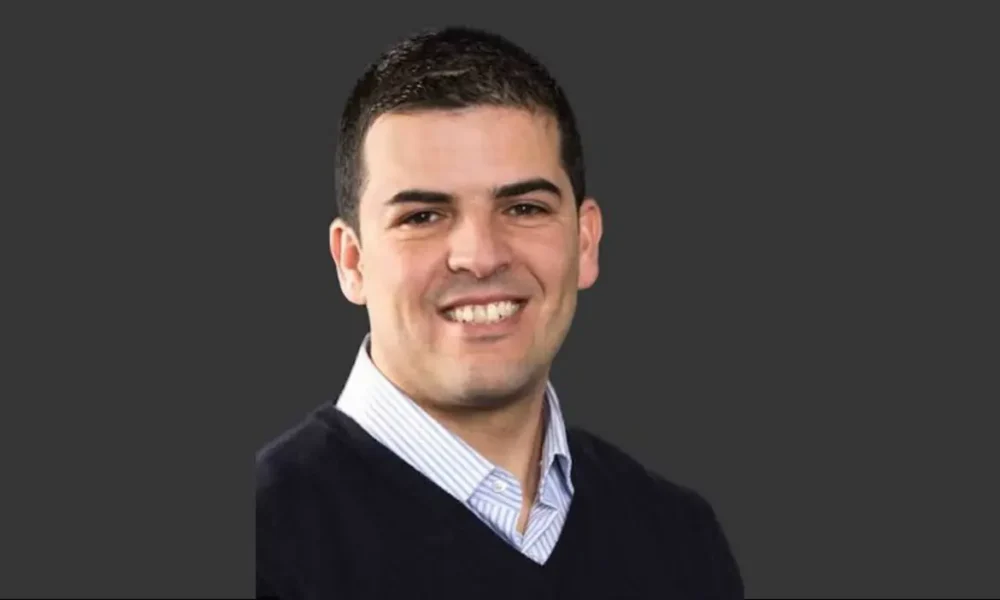
The World Health Organization (WHO) announced, on Thursday, the appointment of the Tunisian researcher Hamdi Mbarek as a member of its Scientific Council, as part of the renewal of the composition of this advisory body.
The new WHO Scientific Council brings together 21 scientists and internationally renowned experts from across different regions of the world, with the aim of strengthening the organization’s scientific expertise in facing major global health challenges.
A new composition focused on scientific diversity
In a statement published on Thursday, the WHO indicated that the members of the new Council represent a diversity of disciplines, regions and generations.
This new composition brings together specialists in several strategic areas, notably public health, epidemiology, biomedical research, health systems, aging, engineering, precision medicine and emerging technologies.
The organization also notes that the Council includes representatives from all WHO regions, as well as two members from the category of young scientists, in order to promote geographic diversity, gender balance and the integration of the new generation of researchers.
A Tunisian expert in genetics and precision medicine
Specialist in molecular genetics, genomics, precision medicine and the analysis of genomic data, Hamdi Mbarek has an international scientific background.
He holds a PhD in molecular and cellular biology from the University of Évry Val d’Essonne in France.
He has also carried out postdoctoral research at the University of Tokyo in Japan and at the Vrije Universiteit (VU) Amsterdam in the Netherlands, where he studied the genetics of diseases and complex traits, psychiatric disorders, addictions, as well as twin genetics.
He currently serves as Director of Research and Data Analytics at the Qatar Precision Health Institute.
A strategic mission for the future of global health
The WHO Scientific Council constitutes the organization’s main external scientific advisory body.
This body provides independent and strategic recommendations on priority scientific questions, innovations and emerging technologies likely to influence health outcomes worldwide.
It also plays a role in identifying major scientific advances, anticipating risks and emerging opportunities, and guiding the WHO in adapting to scientific evolutions that could impact global health in the coming decades.
The appointment of Hamdi Mbarek constitutes international recognition of Tunisian expertise in the fields of genomics, analysis of biological data and precision medicine.