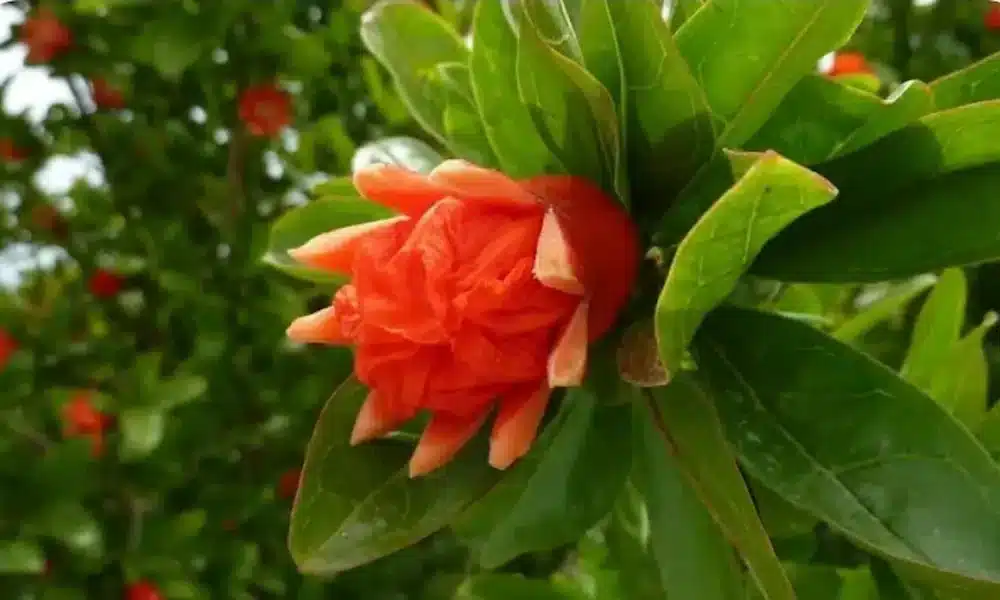
Tunisia’s floriculture production in 2025 held a stable level around 20 to 25 million stems of cut flowers, mainly roses, carnations and gerberas.
Concentrated in the Northwest and the Northeast, this volume reflects a cultivated area of about 1,500 hectares, with progressive intensification through greenhouses. Exports reached nearly 7 million stems to Europe, representing 30% of total production, despite EU quotas limited to 1,120 tonnes equivalent.
This performance rests on a favorable Mediterranean climate and a skilled female workforce, while integrating organic crops to meet international standards. The year saw a moderate rise in volumes, driven by Dutch partnerships.
Key figures and regional distribution
Roses dominate with about 12 million stems produced, followed by carnations at 6 million and gerberas at 4 million, according to APIA and ONAGRI data. The Northwest, including Jendouba and Tabarka, contributes 60% of the total thanks to fertile soils and natural humidity.
The carnations from Nekrif and southern gladioli complete the offering, with organic production up 10%. The market value approaches 15 million dinars, of which 40% derive from exports to France, Italy and the Netherlands. These stable tonnages mask an increased productivity per hectare, rising from 10,000 to 15,000 stems thanks to improved seeds.
Dynamics of flower exports
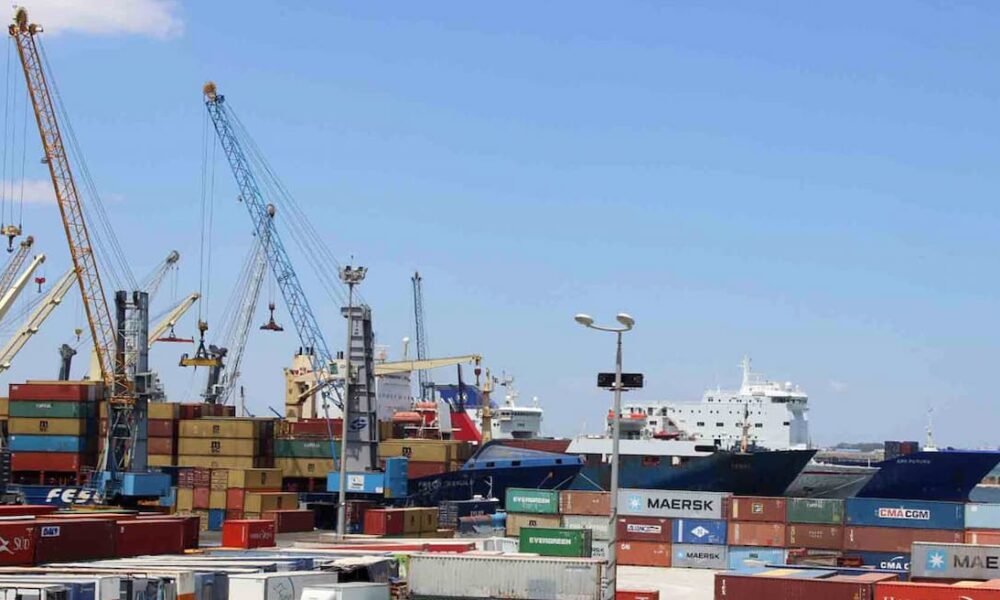
Tunisia’s flower exports generated 6 million dinars in 2025, up 15% from 2024, mainly to the Netherlands (45%), France (30%) and Italy (15%). Roses and carnations account for 80% of the shipped volumes, transported by daily cargo flights to preserve their freshness.
European quotas, though restrictive, authorize 1,120 tonnes annually, with GlobalGAP certification ensuring phytosanitary compliance. Partnerships with Dutch auctions such as FloraHolland facilitate access to premium markets, despite high logistical costs. This export orientation supports 5,000 direct jobs and strengthens the agricultural trade balance.
Growth factors and constraints 2025
The proximity to Europe and low costs support competitiveness, despite the absence of large high-tech greenhouses. Collaborations with the Netherlands have boosted off-season exports, with 27% of production sold internationally by the end of 2025. ONAGRI notes diversification toward aromatic plants and edible flowers, adding 2 million more stems. These advances prepare for expansion in 2026.
Stakeholders aim to extend climate-controlled greenhouses; improve cold chains; increase organic certifications; specialize in exportable varieties; create regional hubs; develop tourist floral festivals; provide technical training for female producers. These initiatives are expected to yield a 20% increase in production in 2026.