In a Mediterranean space traversed by geopolitical tensions, economic fractures, climate crises and food uncertainties, the question of agriculture now appears as one of the few arenas capable of recreating sustainable cooperation dynamics between the two shores.
Such is the vision of CIHEAM (International Centre for Advanced Mediterranean Agronomic Studies), which this year celebrates its 64th anniversary by advocating agricultural and food diplomacy to reconcile a region that is increasingly fragmented.
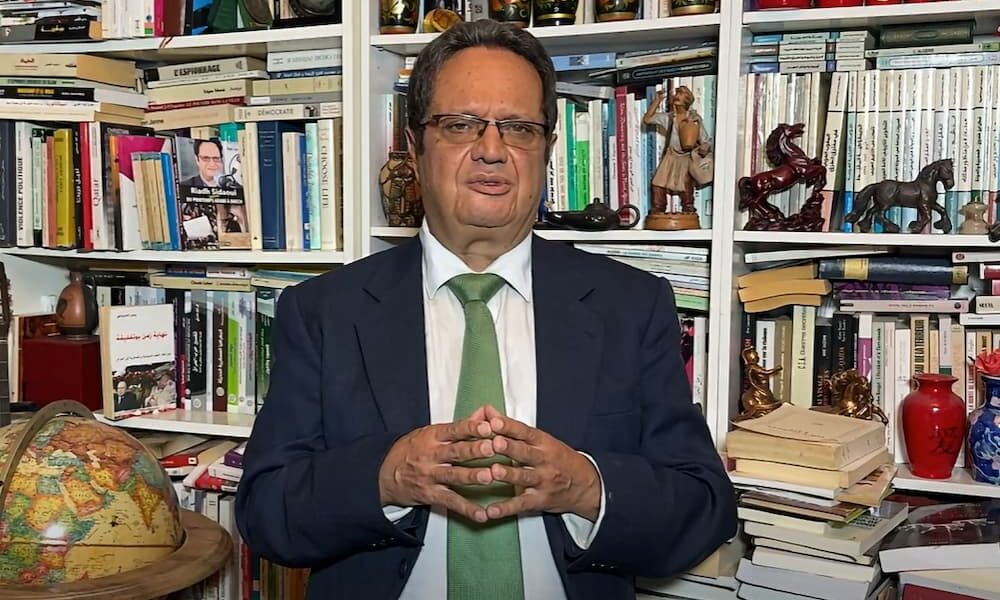
An intergovernmental organization created in 1962 and bringing together several countries on the southern, northern and eastern shores of the Mediterranean, including Tunisia, CIHEAM is, as its administrator Yasmine Seghirate recently summarized, “the Mediterranean that knows how to work together despite the worsening of all environmental, economic and societal challenges,” its role being to “bring member states together around three issues, sustainable agriculture, quality food for all and a somewhat bold rural development.”
For this reason, the institution advocates for an approach based on interdependence rather than inward sovereignism, notably in the current context where the Mediterranean basin concentrates some of the strongest vulnerabilities in the world in terms of water stress, soil degradation, food insecurity and demographic pressures.
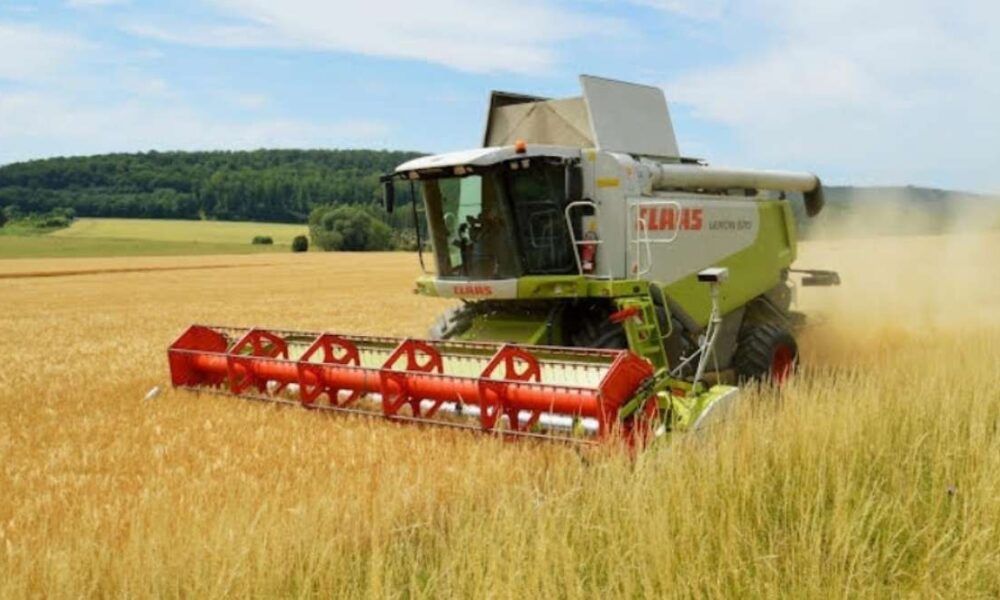
Thus, for CIHEAM, food security is a question that cannot be solved at strictly national level, but rather requires reinforced regional cooperation around agricultural production, exchanges of know-how, scientific research and rural development.
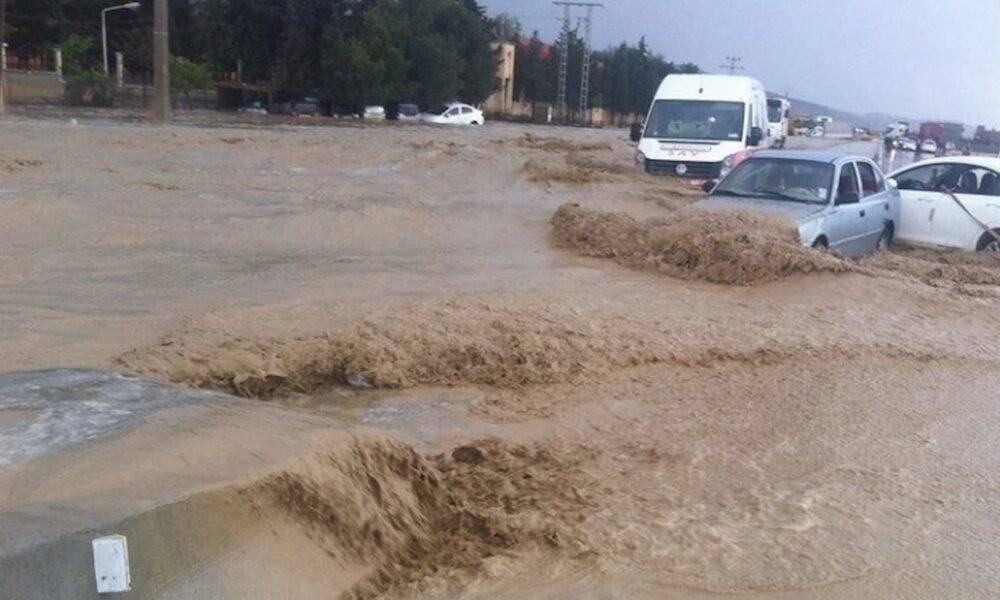
This vision rests on an obvious finding, with challenges that are widely shared, including climate change which simultaneously affects agricultural yields, water resources and rural balances in both the North and the South of the Mediterranean. This comes at a time when the multiplication of drought episodes, the pressure on food systems and the risks of increased dependence on imports impose new models of cooperation.
In this perspective, the institution highlights the concept of “solidarity food sovereignty,” which breaks with a strictly national approach to self-sufficiency, with the idea of building regional complementarities capable of sustainably securing access to food while reducing the structural vulnerabilities of Mediterranean countries.