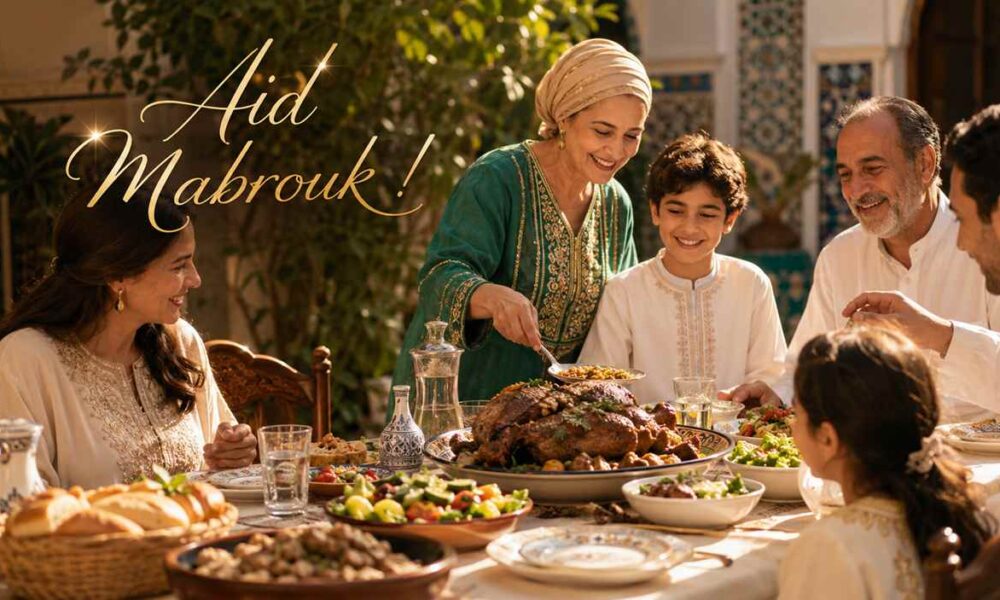
Eid al-Adha is celebrated this Wednesday, May 27, 2026, in Tunisia. Amid the sacrifice, the butchering, the barbecues, and family reunions, the day also calls for particular attention to hygiene rules and common-sense food practices.
Heat, fresh meat handled at home, and hearty meals form a combination that, without a few simple precautions, can spoil the celebration. Here is the essential to keep in mind, based on recommendations from health authorities and specialists.
At the moment of slaughter: cleanliness and continuity
Veterinary services emphasize a few basic principles. The sacrifice must take place in a clean, shaded place, with cleaned equipment and a well-sharpened knife, ensuring a rapid slaughter.
All steps should flow in sequence without interruption, taking care not to contaminate the meat. It is recommended to let the carcass bleed for at least five minutes, which promotes better preservation.
An reflex often overlooked: do not wash the meat with water immediately after slaughter. Contrary to widespread belief, rinsing fresh meat promotes bacterial growth rather than preventing it.
Checking the organs: if in doubt, do not consume
This is the step that many neglect in the day’s excitement. Before consuming, one must examine the internal organs (liver, lungs, heart, intestines).
Certain signs should raise alarms: abscesses, swelling, suspicious lesions, presence of cysts or worms. If in doubt, the rule is simple and without exception: do not consume.
INSSPA (National Body for the Safety of Food Products) provides a toll-free number for citizens who notice an anomaly: 80 10 69 77. Better to call as a precaution than risk poisoning.
Storage: the cold chain first
This is probably the most critical point of the day, especially with expected temperatures—around 30°C in Tunis and even higher inland. Fresh meat should not sit at room temperature. It must be refrigerated promptly, and only what will not be consumed in two to three days should be frozen.
Some useful rules: separate offal (liver, heart, entrails) from the rest, as they keep for shorter periods and must be consumed first; never refreeze meat that has already thawed; and let a cooked dish cool before placing it in the refrigerator, without leaving it to sit for hours on the counter. In the heat of Eid, meat left out for two hours becomes a real risk.
Cooking: avoid the trap of the “well-grilled”
The Tunisian habit of the day is grilling. Doctors do not forbid it, but warn against a specific excess: charring. According to Dr. Sami Hajjaji, an internist cited by the TAP agency, the blackened and burnt parts of meat promote the formation of carcinogenic substances, likely increasing the risk of digestive cancers.
The right approach is to favor moderate grilling, baking, or steaming, to remove excess fat before cooking, and not to consume charred pieces. A successful barbecue is not a burnt barbecue.
At the table: moderation, the real health advice of the day
After several days of waiting, the temptation to overeat is strong. Yet this is where most Eid al-Adha’s discomfort occurs: heaviness, bloating, abdominal pain, sometimes far worse for people suffering from chronic illnesses.
Medical recommendations boil down to a few simple steps:
– Limit the portion of meat to the size of the palm per person per meal.
– Spread consumption across the day rather than concentrating it all in one feast.
– Always accompany the meat with vegetables, raw or cooked, high in fiber, which aid digestion.
– Start the day with a light breakfast rather than diving into meat first thing in the morning.
– Stay well hydrated, and maintain some physical activity — a walk after the meal is better than an immediate nap.
People with hypertension, diabetes, high cholesterol, gout or kidney disorders must be especially vigilant: for them, excess red meat and fats is not just a matter of digestive comfort, but a real risk of decompensation. Moderation does not spoil the celebration; it lets everyone enjoy it to the end.
Don’t forget the road
For families taking to the road toward the regions, relatives, or ancestral homes, safety advice remains intact: depart rested, stop regularly, avoid using the phone at the wheel, and keep water within reach.
The heat of this late May period, which will peak in the coming days, tires drivers more quickly. It is better to arrive a little later than at the cost of an accident.
Eid Mubarak to everyone.