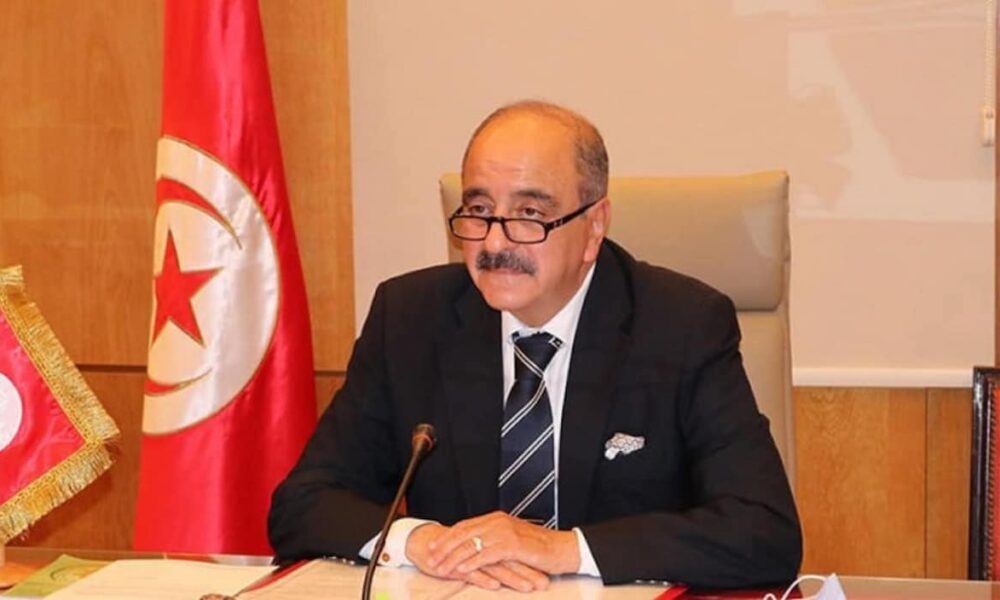
Mohamed Ali Nafti, Minister of Foreign Affairs, Migration and Tunisians Abroad, received, on Friday, a telephone call from the Minister of Foreign Affairs of the Federal Republic of Nigeria, Bianca Odumegwu-Ojukwu.
The two ministers hailed the solidity and historical character of the relations binding the two countries since 1962, the year of the establishment of their diplomatic relations. They renewed their will and their commitment to strengthen, develop and further diversify bilateral cooperation, so that it covers high value-added sectors such as information and communication technologies, health, medical tourism, manufacturing industries and the petroleum industries.
According to a communiqué published by the Ministry of Foreign Affairs, the two officials also welcomed the level of cooperation in the academic and cultural domains, while underscoring the importance of carefully preparing the upcoming bilateral milestones.
In this context, the Nigerian minister expressed her wish to undertake a visit to Tunisia during the last quarter of the current year, in order to chair her country’s delegation during the works of the sixth session of the Tunisian-Nigerian Joint Commission, scheduled in Tunis.
This commission will constitute an important opportunity to examine ways to develop, diversify and enrich bilateral cooperation. It will also allow the two parties to exchange views on regional issues, notably those related to the African Union’s Common Action, to reform the African Union system, as well as the security and development challenges on the continent.
In this framework, Mohamed Ali Nafti stressed the importance of drafting a bilateral cooperation program covering the years 2027 and 2028, in order to give a new impetus to the partnership between the two countries. He also stressed the need to establish a roadmap including realistic and achievable action programs.
Moreover, the two ministers emphasized the importance of taking advantage of the opportunities offered by both countries’ accession to the African Continental Free Trade Area (AfCFTA), in order to develop their trade exchanges, especially since Tunisia and Nigeria have promising assets that enable them to reach higher levels of cooperation and economic integration.
During the course of their telephone conversation, they also examined ways to strengthen coordination and consultations between the two countries in the field of multilateral cooperation, notably regarding mutual support for their candidatures for high-level positions within regional and international organizations, particularly at the General Secretariat of the African Telecommunications Union (ATU).