The Directorate General for Veterinary Services within the Ministry of Agriculture, Water Resources and Fisheries has warned about the risks of heat stress that could affect livestock, notably poultry, rabbits, and dairy cows, during the period from September 7 to 13, 2026.
This alert is based on forecasts from the National Meteorological Institute.
Temperatures ranging from 30 to 41 degrees
In an awareness-raising release, the veterinary services specify that the expected temperatures should vary between 30 and 41 degrees Celsius.
This rise in temperatures should be accompanied by a particularly high level of humidity, especially in coastal and inland regions, which could amplify the effects of heat stress on the animals.
Poultry and rabbits particularly exposed
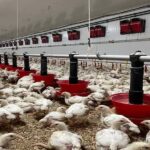
According to the Directorate General for Veterinary Services, poultry and rabbits are among the species most sensitive to high heat.
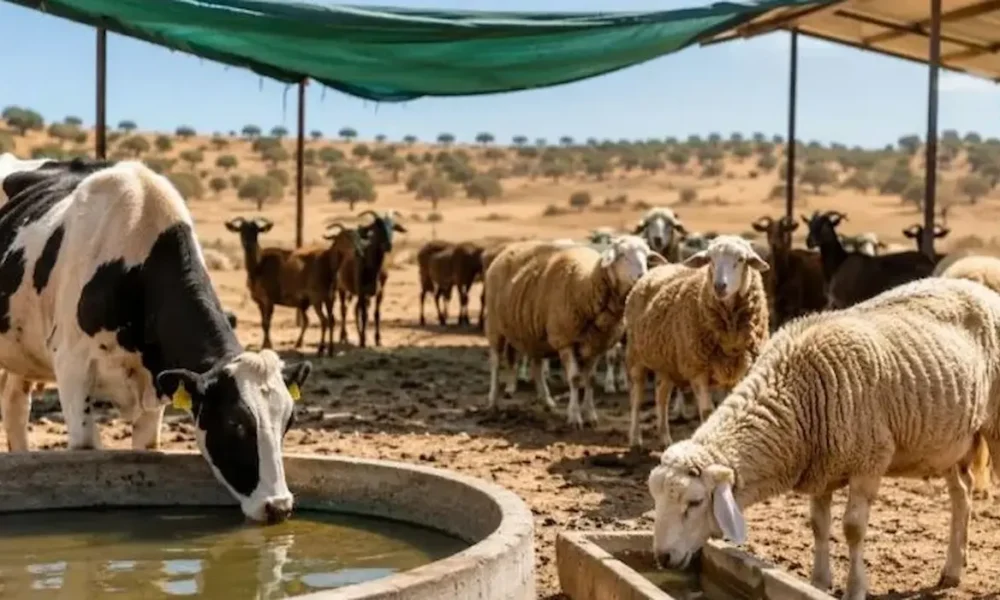
The dairy cows also present a high risk of exposure to heat stress, with possible repercussions on their health as well as on milk production.
Measures recommended to breeders
The veterinary services call on breeders to strengthen preventive measures during this period.
They particularly recommend providing animals with clean and fresh water in sufficient quantities, improving ventilation and cooling in stables, buildings and breeding facilities, and providing shaded areas.
It is also advised to avoid transporting animals during periods of intense heat and to adapt their feeding by favoring lighter meals.
Check electrical generators and backup systems
The Directorate General for Veterinary Services also emphasizes the need to verify the proper functioning of electrical generators and backup networks.
The aim is to ensure the continuity of ventilation and cooling systems, especially during heat peaks.
Signs of heat stress to monitor
Breeders are urged to promptly contact the nearest veterinarian or regional veterinary services if symptoms indicating heat stress appear.
Among the main signs cited are heavy panting, lethargy, loss of appetite, an elevated internal body temperature, and a drop in production.
Source: TAP