In Libya, the Ministry of Interior of the Government of National Unity announced a clear improvement of the fuel crisis, which had impacted the activity of fuel stations. Queues have noticeably decreased and the situation is gradually returning to normal.
Several successive meetings of the commission charged with addressing the fuel and gas crisis were organized, alongside ongoing monitoring of fuel distribution and transport operations to gas stations. The teams are also continuing their work 24 hours a day to ensure regular supply, smooth distribution and the delivery of fuel to citizens.
The Libyan Ministry of Interior added that the various security units under its services continue their field efforts to secure gas stations and organize entry and exit flows, so that citizens can refuel under orderly and safe conditions.
An expanded meeting had been held last week to examine the fuel supply situation and the distribution mechanisms. The discussions focused on the need to ensure regular distribution, to resolve difficulties related to transport and the delivery of fuel to stations, to combat smuggling and manipulations, as well as to reduce traffic jams and violations.
The meeting also stressed the necessity to coordinate the efforts of the various competent authorities, to enforce the law, to support security services in carrying out their missions, and to find urgent solutions to the issues faced by gas stations, particularly in maintenance, in order to guarantee the availability of fuel and put an end to the crisis.
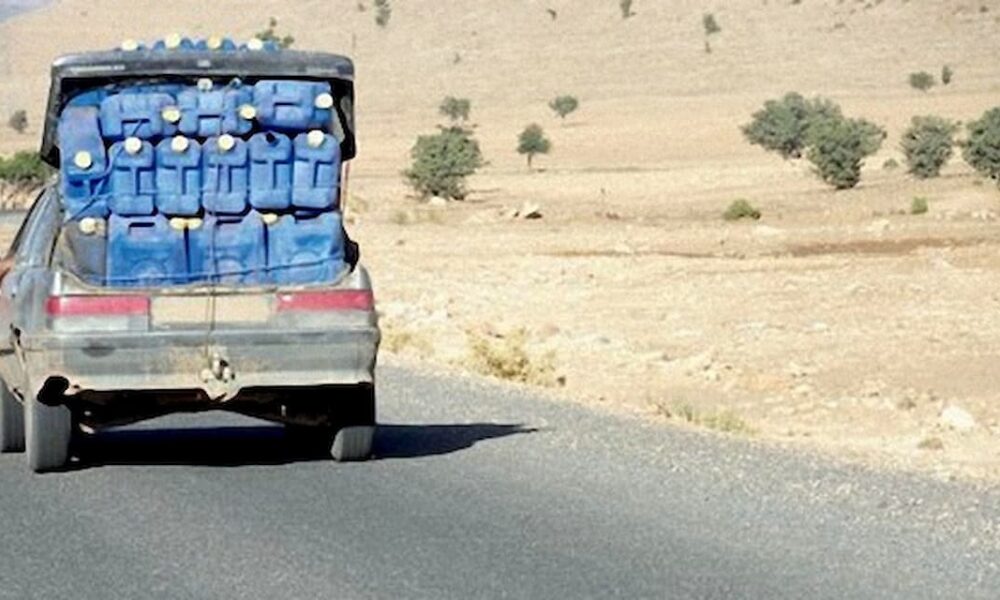
In Libya, the distribution of fuel and diesel as well as their delivery to gas stations faced congestion issues, various violations, and smuggling operations.
Security measures led to the closure of 490 gas stations that authorities said were used in smuggling operations. Concurrently, the operation of about 365 stations was authorized according to real needs.
Organized diesel smuggling by sea and through ports contributed to its shortage, with direct repercussions on the daily life of citizens. The authorities are also continuing their efforts against fuel manipulations, the rise of its prices on the black market, and the smuggling networks which, they say, drain the state’s resources.