The city of Hammamet will host, starting tomorrow, Friday, the 8th National Congress of the Tunisian Oncology Association, which will continue until September 27. Placed under the theme “Innovating for a Better Treatment.” This scientific meeting brings together doctors, researchers, and various stakeholders involved in the fight against cancer.
According to the president of the Tunisian Oncology Association, Mehdi Beltaï, this congress is part of a process to monitor rapid advances in the field of oncology and to strengthen exchanges of expertise and knowledge among the various participants.
Artificial intelligence at the heart of the discussions
A significant place will be given to artificial intelligence and its growing role in cancer management. Workshops will be devoted to the possibilities of integrating these technologies into medical practice, as well as to their prospects in the field of oncology.
The program also includes a workshop dedicated to methodology and techniques of scientific writing, with a particular emphasis on the preparation and publication of medical research work.
Towards more personalized cancer medicine
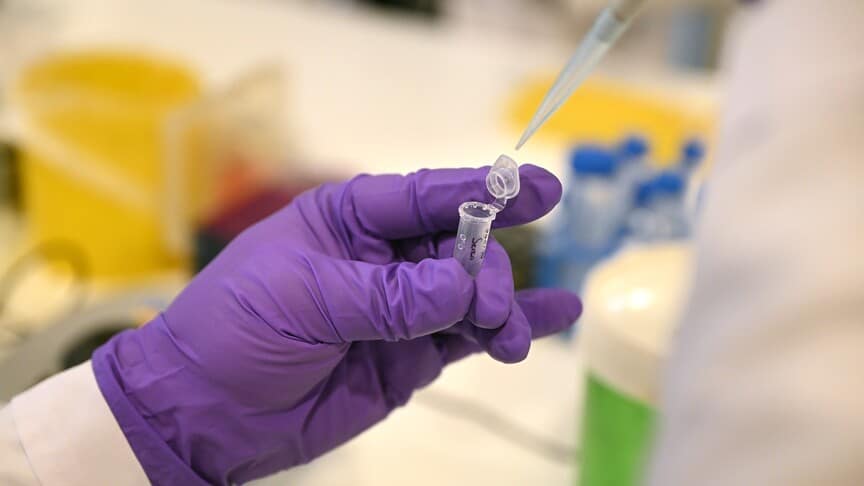
The congress will also highlight advances in molecular pathology and precision medicine, which have become important components in the evolution of cancer management. These approaches enable refining tumor diagnosis and better determining therapeutic options likely to be adapted to the profile of each patient.
This evolution accompanies the development of increasingly personalized and targeted treatments, based on a better understanding of the biological characteristics of tumors.
The latest therapeutic advances on the agenda
Several conferences will be devoted to innovations in the diagnosis and treatment of various types of cancer. The discussions will notably focus on urological and digestive cancers, gynecological cancers, breast cancer, thoracic tumors, and head and neck cancers.
Discussions around clinical cases are also planned. They will allow participants to compare their experiences, examine diagnostic and therapeutic strategies based on real-world situations, and strengthen collaboration between the different medical specialties involved in the care of cancer patients.
Through this scientific event, the Tunisian Oncology Association thus aims to foster scientific cooperation, update professionals’ knowledge, and contribute to improving the quality of cancer patient care and treatment outcomes.