The Essentials
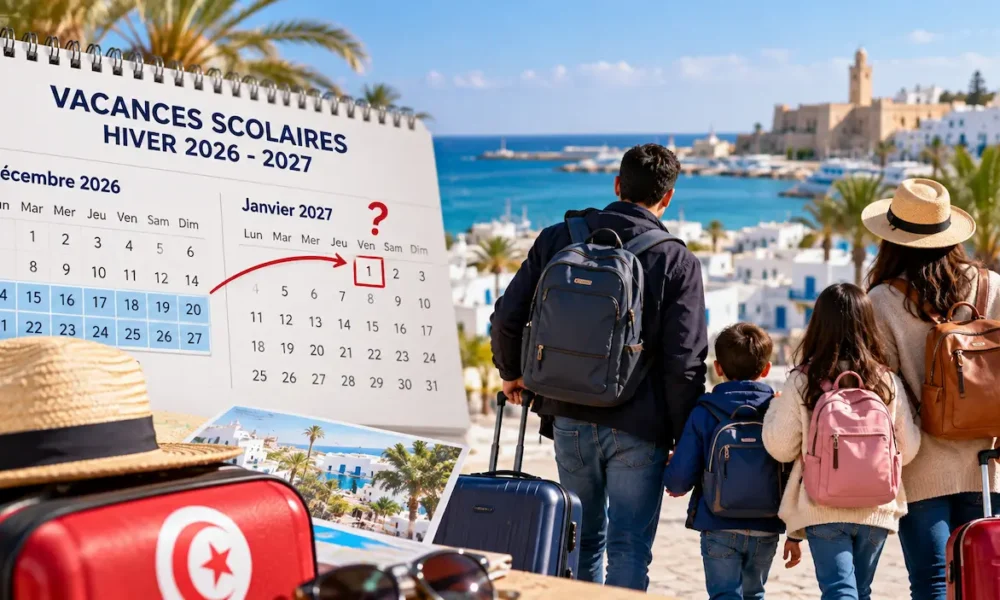
- Current calendar : winter holidays are scheduled from December 14 to December 27, 2026.
- Proposal : extend the holidays until January 1, 2027.
- Goal : to support domestic tourism and the activity of tourist establishments.
- Another proposal : establish a rotation of school holidays between the five districts of the country.
A calendar deemed unfavourable to domestic tourism
In a statement published on Friday, October 9, 2026, the Federation expressed its concerns about the consequences of the winter holidays calendar set by the Ministry of Education.
According to the professional organization, the period chosen, from December 14 to December 27, 2026, limits families’ ability to take advantage of the tourist offers available for the year-end holidays.
It recalls that school holidays traditionally constitute a period of high activity for domestic tourism, allowing families to come together and travel outside work and school constraints.
The Federation believes that this calendar risks weighing on the activity of travel agencies, hotels, alternative accommodation establishments, restaurants and other service providers linked to tourism.
An extension to support activity and seasonal employment
For the organization, school holidays do not represent merely an interruption of classes, but also a lever for energizing the local economy and supporting tourism businesses in the various regions.
The Federation notably emphasizes the importance of seasonal employment in the tourism sector. It argues that extending the holidays would spread periods of activity more evenly and extend certain employment opportunities, rather than concentrating demand over a few weeks.
This measure could, therefore, according to it, contribute to greater income stability for seasonal workers.
Towards a rotation of holidays between the five districts?
Beyond extending the winter holidays, the Federation also proposes to establish a system of rotation of school holiday periods between the five districts of the country.
This arrangement would, according to it, better distribute tourist traffic, especially in inland regions, while reducing pressure on accommodation establishments during peak periods.
It believes that a better distribution of demand could also help curb price increases, optimize the use of capacity, and enable more Tunisian families to benefit from tourism offers under better conditions.
A call for dialogue with the Ministry of Education
Finally, the Federation stresses the need to adopt a consultative approach between the Ministry of Education and the professional tourism bodies.
It advocates for better coordination between the dictates of the school calendar and the social, economic and tourism issues.
The stated objective is to achieve an organization of holidays that takes into account both the needs of families, the activity of tourism businesses and the maintenance of jobs in the different regions of Tunisia.
It remains to be seen whether the Ministry of Education will respond favorably to this proposal and agree to revise the winter school holiday calendar to extend them until January 1, 2027.