A new step toward broader access to HIV prevention has been reached. It is the Indian laboratory Dr. Reddy’s that has obtained U.S. regulatory approval for its injectable generic lenacapavir, a preventive treatment administered every six months, according to a press release published Monday, November 2.
This is an agreement to offer it at $40 per person per year in the 120 countries covered by Gilead’s voluntary license, the manufacturer of the original drug. The first deliveries are expected before the end of 2026, ahead of a broader deployment in 2027.
The status granted by the FDA, called “tentative approval”, however does not correspond to a traditional marketing authorization in the United States.
According to explanations from the U.S. agency, this concerns medicines that meet its requirements but whose entry onto the U.S. market remains blocked by patents or exclusivities. It notably allows their purchase under the U.S. President’s Emergency Plan for AIDS Relief (PEPFAR) program overseas.
The generic is therefore not immediately available in all of the 120 countries concerned.
Long-lasting protection without a daily pill
Lenacapavir constitutes an option for pre-exposure prophylaxis, or PrEP, intended for HIV-negative individuals exposed to the risk of HIV infection.
Administered every six months, it can particularly facilitate prevention for those who have difficulty taking a daily pill. According to U.S. health authorities, two major trials showed a 100% and 96% reduction in infection risk compared with the incidence estimated in the absence of PrEP.
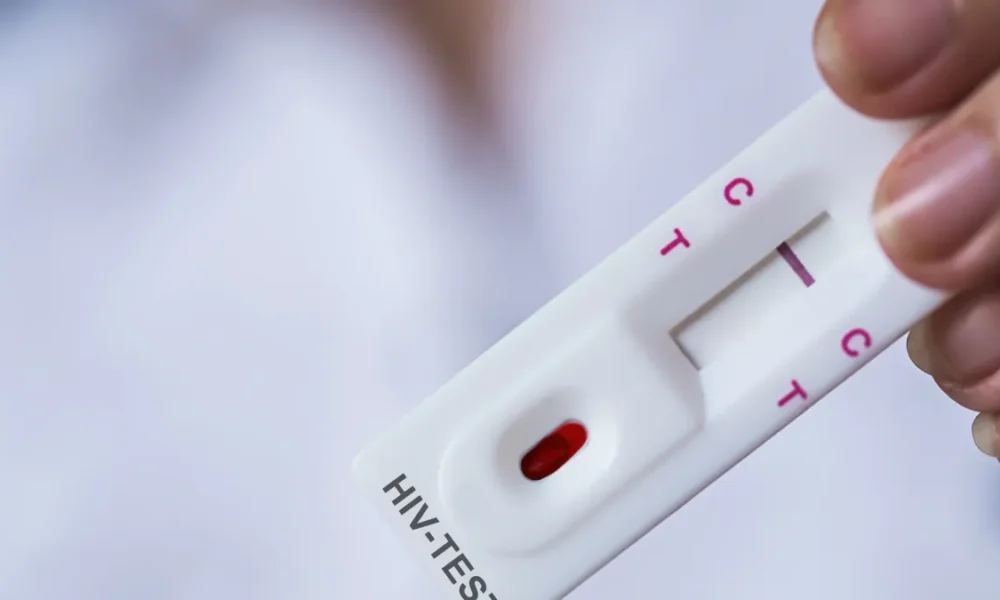
HIV testing remains necessary before starting treatment and at subsequent injections.
This step comes only 16 months after the original product was approved for HIV prevention. But a reduced price will not be enough to guarantee its actual access.
“The generic lenacapavir has the potential to transform HIV prevention, and this is an important step, but an affordable medicine is not enough on its own,” said Saiqa Mullick, a leader at the South African Wits RHI, in the partners’ press release.
She also emphasizes the need to prepare health systems, train healthcare workers, and involve the affected populations so that this advance can truly benefit people exposed to HIV.