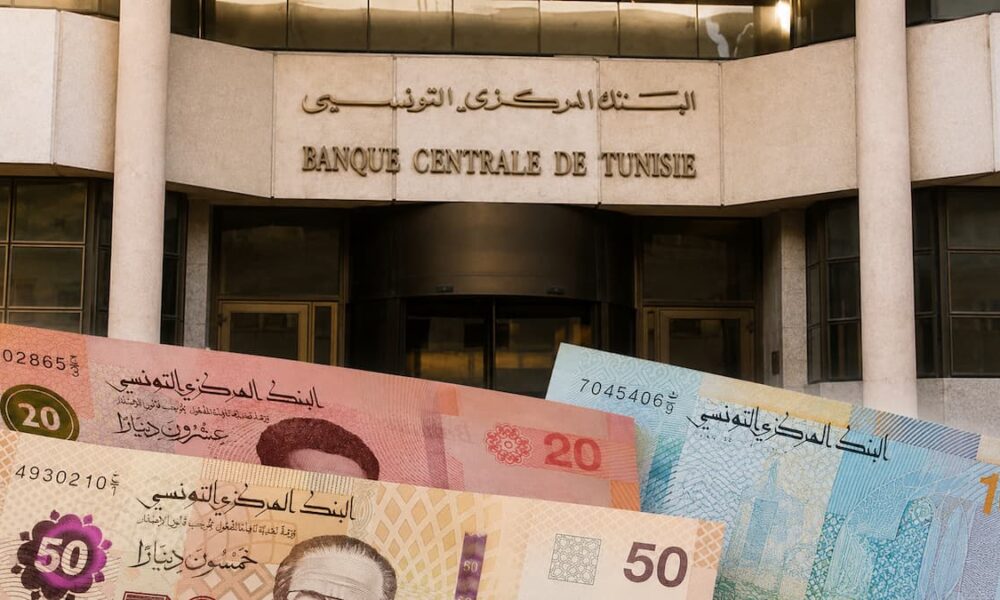
No, the Central Bank of Tunisia (BCT) has not announced a 12% levy on the money held in savings accounts.
The institution published, on Friday 20 November 2026, a formal denial concerning this information circulated on social networks.
For savers, the distinction between a rumor targeting their capital and the tax rules actually applicable is essential.
The essential: The BCT categorically rejects the rumor of a 12% levy on the balances of savings accounts. Its communiqué does not announce any mechanism of this kind.
What did the rumor say?
Posts on social networks claimed that a tax on savings would result in a 12% deduction directly from the sums deposited in the accounts. These messages circulated in the context of discussions around the 2027 budget texts.
Such a presentation could lead one to believe that banks would withhold part of the savings of their clients. And it is precisely this assertion that the Central Bank has denied.
The BCT’s official response
On its institutional website, the Central Bank states that it categorically denies information alleging a 12% deduction from savings account balances under a savings tax.
The BCT explains that this statement is meant to reassure depositors and to preserve public confidence in the banking sector. It also urges citizens to consult official sources and to exercise caution in the face of unverified messages.
Deposited capital and savings income: two different notions
The balance of an account corresponds to the money deposited and kept in that account. Interest, when it exists, is income produced by the investment. A tax rule relating to interest would therefore not be equivalent to a deduction on all the savings held.
The November 20 communiqué expressly targets the alleged 12% withholding on balances. It does not constitute a general review of all taxation of savings products and does not exempt consulting the applicable texts to know the rules for a given investment.
How to recognize false tax information?
A fiscal measure must be linked to an official text, to precise provisions, and to a date of application. A percentage shared without reference to law, without identification of the base nor indication of the collection mechanism, is not sufficient to establish the existence of a tax.
In this case, the competent institutional source has clearly rejected the circulating announcement. The prudent approach is therefore not to relay it as a fact and to rely on the official communiqué rather than on screenshots or unsourced posts.