The modernization of the railway serving Tunisian phosphate takes a new step forward.
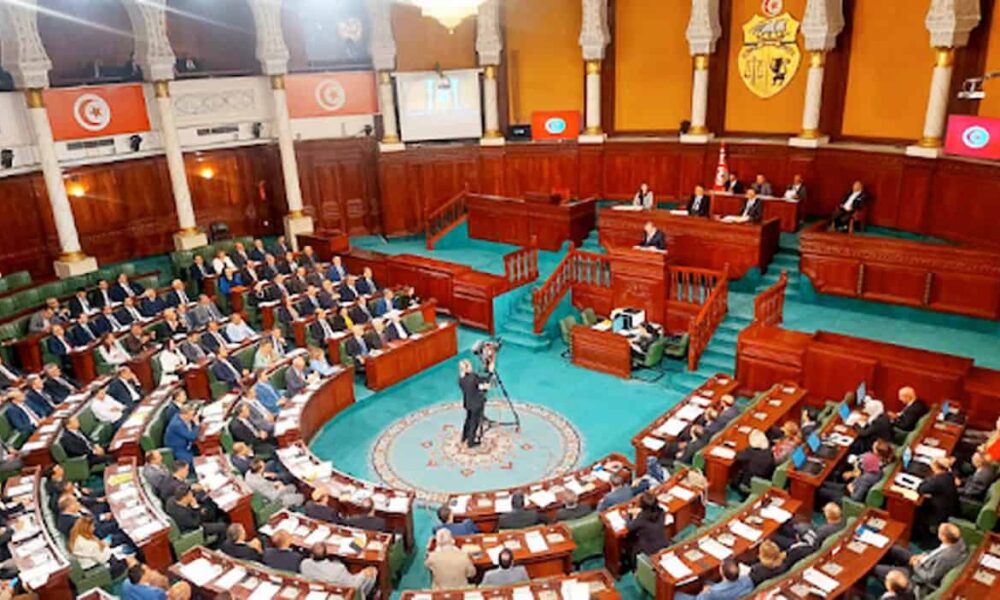
Renovation and strengthening works of 190 kilometers of railway tracks in the mining basin network are to begin in early 2027, for an anticipated duration of 24 months. The announcement was made on November 19, 2026 by the Minister of Transport, Rachid Amri, during the parliamentary examination of the 2027 budget for his department.
The project targets a crucial link in the Tunisian economy: the connection between phosphate production zones and the processing or shipping facilities. But at this stage, it is a provisional work calendar, and not a confirmation that the 190 kilometers have already been rebuilt.
Key Points
190 km of existing tracks to renovate and reinforce; start planned for early 2027; 24 months of works expected. The project concerns the phosphate network, notably in the regions of Gafsa, Gabès and Sfax.
The three funding sources for the first program have been mobilized, according to the minister. The selection of a monitoring and supervisory firm is still underway.
Why is rail decisive for phosphate?
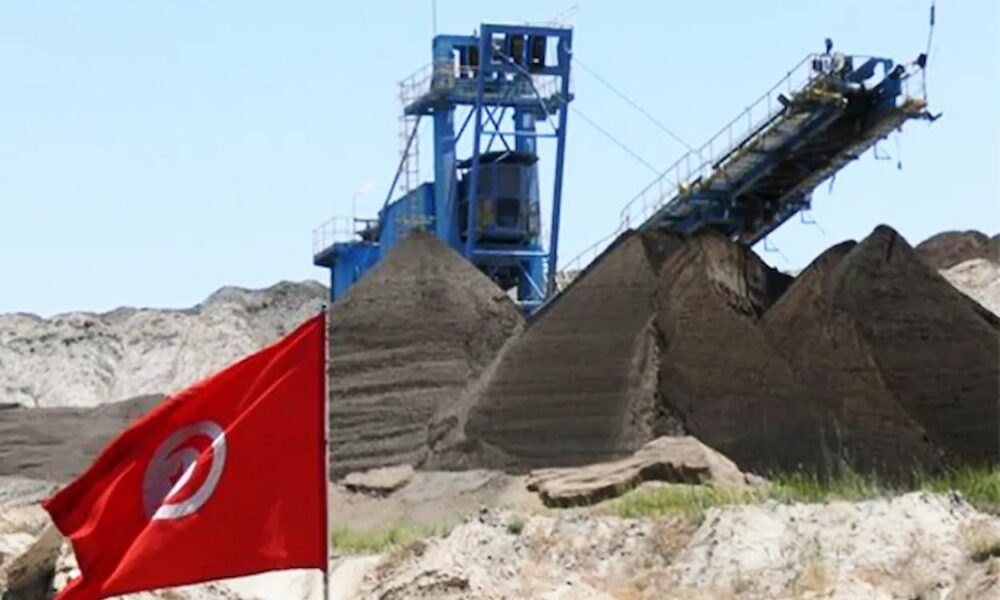
The phosphate extracted in the Gafsa mining basin must be conveyed to industrial sites and logistics platforms. The railway is particularly suitable for transporting large quantities of ore, but its efficiency depends on the condition of the tracks, locomotives, wagons, and traffic management.
The aging of the network can slow rotations, limit tonnages, and increase road use. For the Tunisian National Railways Company (SNCFT), modernizing the phosphate infrastructure is thus tied to its economic performance as well as the reliability of its freight operations.
According to an assessment presented by the SNCFT management and reported in March 2026, the volume of phosphate transported by rail had fallen to around 1.38 million tonnes, compared with at least 8 million tonnes per year before 2011. These figures concern transport volumes, not national production figures for the ore.
These references illustrate the extent of the backlog to be bridged, but they do not by themselves provide the additional capacity that the 190-kilometer project will deliver. The latter will depend notably on rolling stock, line operation, and other sections of the network.
Which segments are included in the 190 kilometers?
The first-phase program concerns the southern Tunisian phosphate railway network, particularly the connections serving the governorates of Gafsa, Gabès and Sfax. Documents presented earlier in 2026 identify notably lines 5, 14, 17 and 21 among the axes set for renewal.
A financing component studied by Parliament concerns line 21, between the regions of Gabès and Gafsa, on a length mentioned as about 129 kilometers. It is part of a broader package of around 190 km; these two lengths should not be added together as if they were independent projects.
The distinction is important: the figure of 190 km corresponds to the rehabilitation of existing tracks, not to the announced creation of 190 kilometers of a new line. The project aims to improve reliability, safety, and transport capacity.
Three loans and one technical monitoring assignment still to be finalized
The minister indicated that the three loans required to fund the program have been mobilized. According to parliamentary documents related to this project, the three lenders are the Saudi Fund for Development, the Kuwaiti Fund for Arab Economic Development, and the Arab Fund for Economic Development for Africa.
As a reference, the Saudi Fund announced in February 2024 a financing of USD 55 million intended for the renewal of about 190 kilometers of phosphate transport tracks. Another agreement, approved by Tunisian law on April 22, 2026, concerns a loan of 16 million Kuwaiti dinars from the Arab Fund.
These amounts represent separate loans, expressed in different currencies and granted at different times. They should not be added together without converting to the relevant rate, nor presented as the final cost already incurred for the project. No single updated total amount has been confirmed in the November 19 announcement.
The selection of the monitoring bureau was still under way when the minister’s statement was made. The minister noted that this procedure meets the requirements of the Saudi Fund for Development. It is a concrete element of the schedule: the availability of financing does not mean that all bidding and monitoring steps have been completed.
Early 2027 and 24 months: what is the real timetable?
The announced timetable envisions a start at the beginning of 2027 and a project duration estimated at 24 months. If this schedule is respected, the works would thus span about two years. However, it would be premature to announce a precise month for the commissioning of all sections.
The steps to follow include finalizing the monitoring procedures, the construction contracts, interventions on the different segments, and commissioning tests. Operational constraints may also arise when a line must continue to carry part of the traffic during its rehabilitation.
Beyond the 190 km, a broader modernization remains necessary
The priority project does not cover all of the country’s rail needs. Public presentations in March 2026 mentioned a second phase covering approximately 415 additional kilometers, as well as tunnels, stations, signaling, and maintenance equipment.
This second phase must be distinguished from the 190 km planned for 2027: its scope, financing, and timetable cannot be assumed to be identical to those of the first project.
Rail renewal must also be accompanied by sufficient availability of locomotives and wagons, regular maintenance, and effective coordination with industrial sites. Without these, renovated infrastructure would not automatically translate into higher freight volumes.