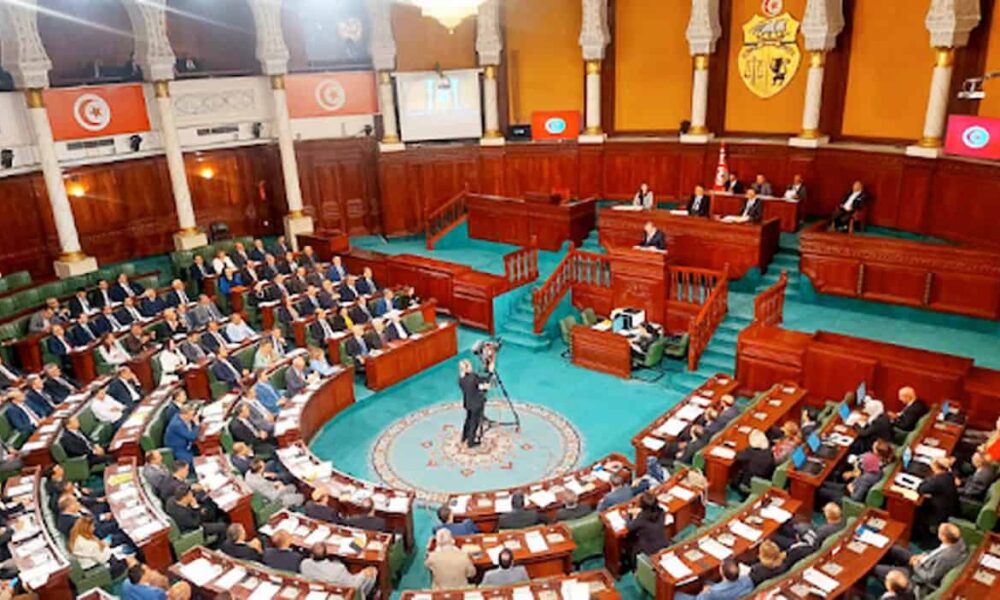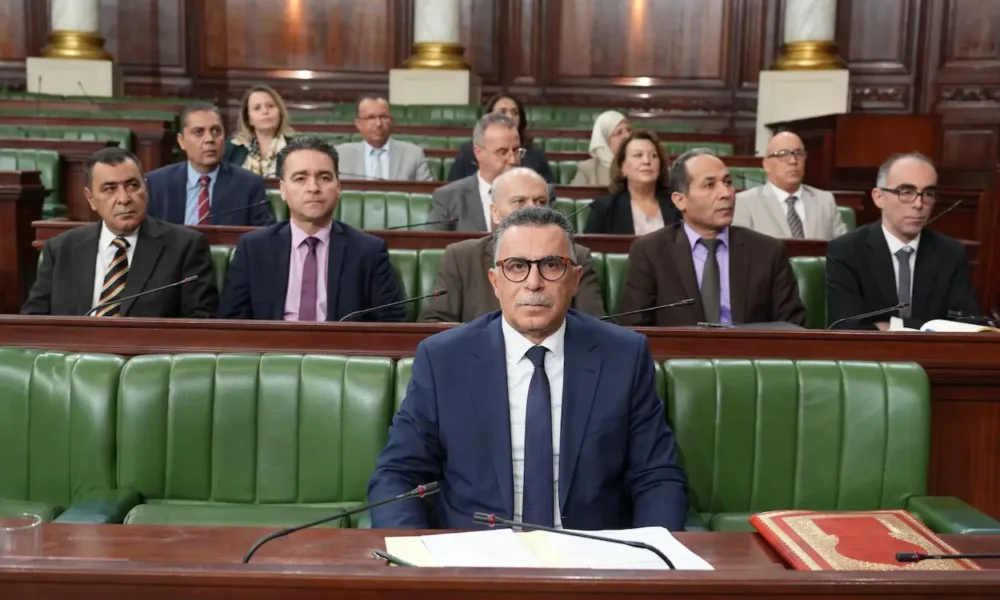
The Tunisian government does not intend to abandon the subsidy system in 2027. This clarification was given by the Minister of Trade and Export Development, Samir Abid, during parliamentary debates dedicated to the budget of his department, on the evening of Friday, November 20, 2026. But maintaining the principle comes with a willingness to exercise greater control over distribution channels.
The essentials: The subsidization of basic goods is not abandoned. The ministry mainly announces tighter monitoring of subsidized products, warehouses, and distribution channels.
What the Government Has Really Announced
In front of members of the Assembly of the Representatives of the People and the National Council of Regions and Districts, Samir Abid presented the subsidy as an essential component of the state’s social policy. He assured that the ministry aimed to guarantee the delivery of subsidized products to their beneficiaries.
This stance, however, does not mean that the prices of all products will remain identical throughout 2027, nor that a new subsidy schedule has been adopted. The statements reported concern above all the maintenance of the mechanism and its functioning.
Stricter Controls in 2027
The Trade services are working on studies of distribution circuits and on the destination of subsidized goods. The minister announced deeper investigations and control operations targeting speculation, smuggling, and business practices detrimental to the market.
He also plans to strengthen the staff and the material resources of economic control. An exceptional support program for control agents will be sought to improve their capacity to intervene at the various stages of distribution.
Storage, Warehouses and Bakeries in the Crosshairs
The government wants to better monitor storage operations and the functioning of warehouses. According to Samir Abid, operators will have to declare their operations to the regional Directorates of Commerce. He nevertheless stressed an important distinction: normal storage is an economic activity, which should not be routinely equated with monopolization or speculation.
Wholesale markets, continuity of supply and the difficulties faced by bakeries are also among the files the ministry intends to monitor.
What Does This Mean for Households?
At this stage, the main information is the continuity of public support for the affected products. The effectiveness of this policy will, however, depend on the actual availability of goods in shops and on the ability of controls to prevent diversions from subsidized channels.
No timetable for product-by-product modification, nor any additional amount of compensation, was provided in the cited statements. It would therefore be premature to present this intervention as a completed reform or a general reduction in prices.
Sources : TAP, statement by the Minister of Trade on November 21, 2026 ; TAP, price policy for 2027.