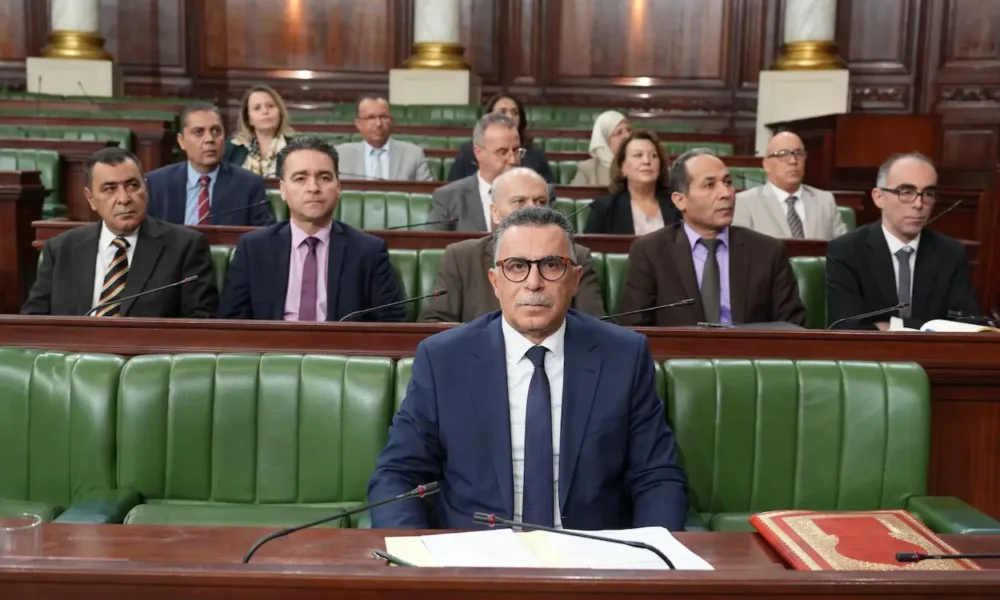
The Minister of State Domains and Land Affairs, Wajdi Hedhili, announced this Friday that 11,271 real estate properties owned by the State had been identified as of the end of September 2026, as part of a ministerial program aimed at completing the inventory of the entire State real estate by 2030.
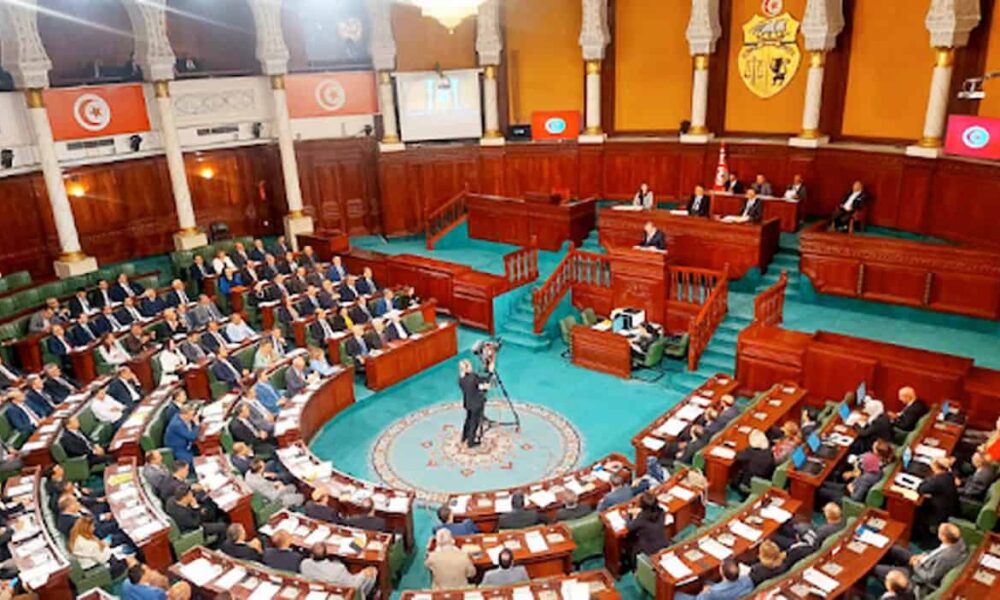
During the joint plenary session between the Assembly of the Representatives of the People (ARP) and the National Council of Regions and Districts, held at the Bardo Palace to examine the budget of the Ministry of State Domains and Land Affairs within the framework of the State budget project for 2027, the minister specified that this program aims to modernize the registers of the patrimony in domaine.
This approach notably involves the transition from paper registers to precise and updated real estate files, accompanied by technical and topographic plans. It will thus enable the creation of a reliable database on properties owned by the State, while strengthening the mechanisms for their protection, proper management, and enhancement.
Wajdi Hedhili stressed, in this regard, that the census of public real estate and the updating of their data constitute essential tools for protecting the State’s land patrimony, identifying available land reserves and facilitating their mobilization for development and investment projects.
The strengthening of the Real Estate Court, an essential lever to spur investment
In the same context, the minister called for strengthening the human and logistical resources of the Real Estate Court, given its central role in regularizing land situations and clarifying property rights.
He considered that this institution constitutes one of the fundamental pillars for establishing a climate conducive to investment, since clarifying the legal status and property rights of a real estate asset is an essential condition for attracting investors and realizing projects.
The minister explained that an investor cannot reasonably commit to carrying out a project when the legal status of the land intended for its use is unclear. Disputes and difficulties related to land status are thus likely to delay projects and reduce their attractiveness, whether they concern public or private infrastructure.
He also stressed that projects undertaken on lands whose legal status and property rights are not clearly established risk facing obstacles that could prevent investors from arriving or delay the completion of the procedures necessary to realize them.
In this framework, he emphasized the importance of strengthening the capacity of the Real Estate Court, notably within the framework of the mechanism of the Land Patrimony Determination Fund, regarded as a central instrument for resolving land-related issues and establishing the guarantees necessary for investors.
Protection of the State’s real estate patrimony: toward legislative reforms and deterrent measures
Regarding the fight against illegal appropriation and encroachments on State property, Wajdi Hedhili affirmed that his ministry monitors periodic inspections of public properties.
He called for making bold decisions and implementing structural solutions based on legislative reforms as well as adopting dissuasive criminal sanctions against any encroachment on the State’s real estate patrimony.
The minister also highlighted the need to strengthen the means of the Office of the Attorney General for State Litigation, which is responsible, among other things, for judicial procedures brought against authors of offenses to public property. He stated that strengthening its capabilities and role is essential to ensure better protection of public land patrimony.
He also underlined the importance of intensifying coordination with governors, who hold the status of judicial police officers, in order to improve the effectiveness of interventions against encroachments on State properties and to safeguard its rights.
According to Wajdi Hedhili, these orientations are part of the efforts deployed by his department to strengthen the protection of the State’s real estate patrimony, modernize its management mechanisms, and optimize its valorization.
The objective is to have a land patrimony whose legal status and property rights are clearly established, in order to enhance investment attractiveness and support the realization of economic and development projects.