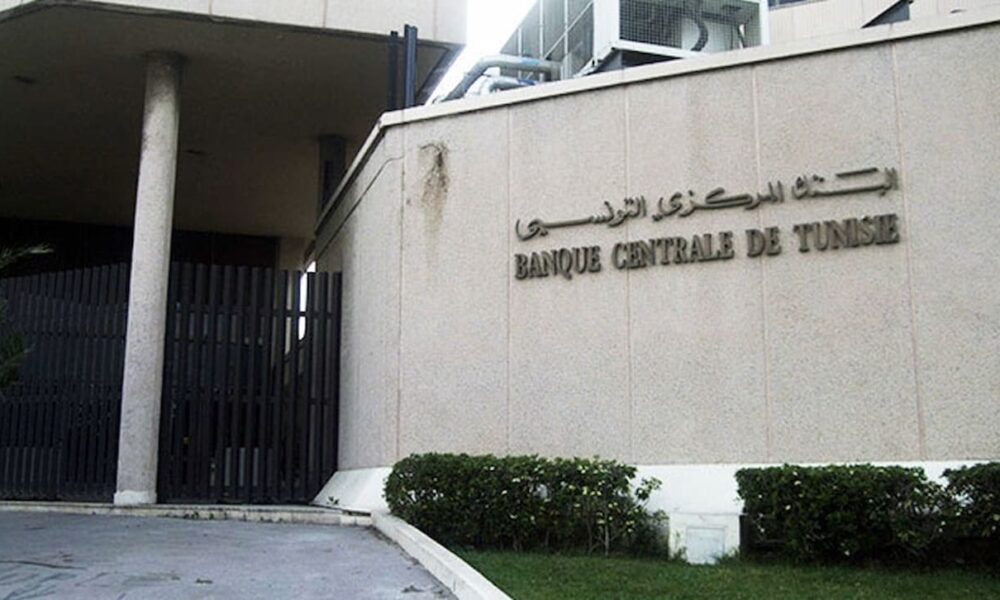
More than 135.7 million card transactions were carried out in Tunisia during the first nine months of 2026, for a total value surpassing 24.4 billion dinars.
According to indicators published on Tuesday by the Central Bank of Tunisia (BCT), these figures show a 10.5% increase in the number of transactions and an 11.1% increase in their value, compared with the same period of 2025.
According to BCT data, 56% of these operations involved cash withdrawals, compared with 44% for payments.
Furthermore, the number of bank cards in circulation in Tunisia rose by 11% since the start of the year, to reach 6.493 million cards as of September 3, 2026. At the same time, the network of ATMs (DAB) increased slightly, totaling 3,333 machines.
Strong growth in electronic payments
At the end of the third quarter of 2026, the Central Bank recorded nearly 18 million electronic payment transactions, up 27% from 2025. Their total value exceeded 1.2 billion dinars.
The number of active merchant sites also continued to rise, surpassing 1,552 platforms, up 27%.
The same trend was observed for contactless payments, whose number increased by 18.6% to reach 41.3 million transactions. The total value of these transactions, meanwhile, rose by 16%, reaching 5.1 billion dinars.
It is also noted that the number of electronic payment terminals (EPTs) increased by 6.5%, reaching 45,900 devices nationwide.
Mobile payments also up
Regarding payments by mobile phone, the number of transactions reached 7.1 million, up 20%. Their value stood at 1.354 billion dinars, a rise of 6.6%.
Contrasting evolution of electronic clearing operations
Regarding operations carried out through electronic clearing, the Central Bank indicators show an 8.7% increase in the number of transactions conducted by bills of exchange, to reach 3.6 million operations, representing a value of 43 billion dinars.
By contrast, cheque-based operations registered a decline of 7.6%, totaling 5.5 million transactions, for a total amount of 37.2 billion dinars.
Finally, the BCT indicated that rejection rates for bills of exchange and for checks stood at 9% and 1.7%, respectively.