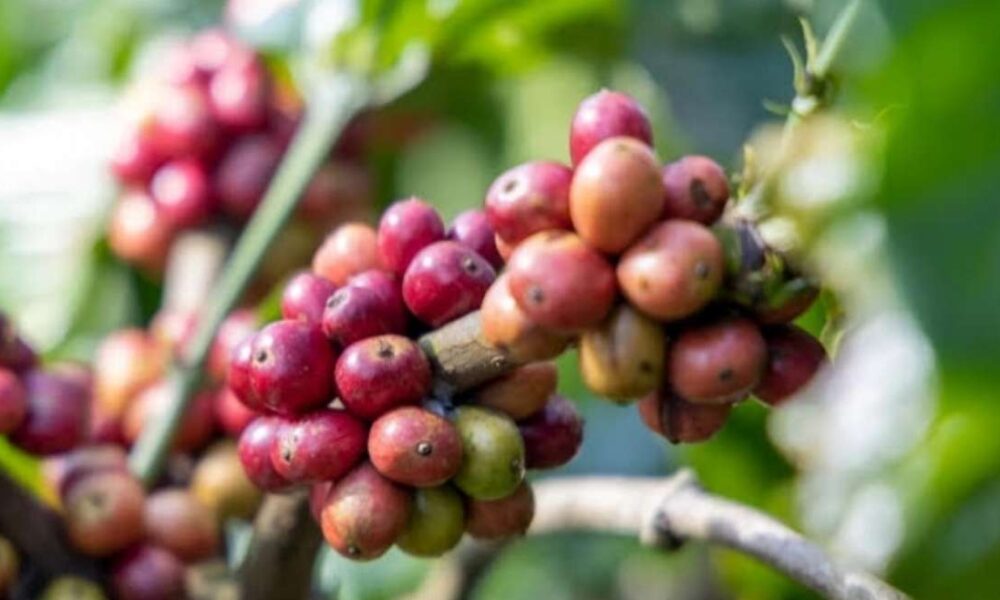
A recent alert report on the potential disappearance of 20% of arabica coffee cultivable surfaces by 2050 due to climate change, affecting mainly current tropical regions.
Arabica coffee, sensitive to temperatures above 20–23 °C and to rainfall variability, would see its suitable areas move to higher elevations, making 15 to 30% of current lands unsuitable according to the Intergovernmental Panel on Climate Change (IPCC) climate scenarios.
Brazil, Vietnam, Colombia and African countries such as Ethiopia faced the most pronounced losses, with yield volatility already observed.
Mechanisms of climatic decline
The rise in average temperatures of 1.5 to 3 °C by 2050 drives water stress, disrupted flowering, and an increase in diseases such as coffee rust, notably affecting up to 50% of suitable surfaces at lower elevations.
Arabica requires stable conditions between 18 and 20.5 °C; beyond this, growth stops, paradoxically favoring the more resistant but less prized Robusta in premium markets. Studies such as the Climate Institute’s 2016 work have shown a contraction of half of the exploitable lands, worsened by recurring droughts in Brazil and Vietnam.
Impacts on major producers
Brazil and Vietnam, global leaders, risk a challenge to their dominance, while East Africa and Asia could gain potential, at the cost of intensified competition with primary forests.
In Colombia, crops are moving to higher elevations, but Robusta is gaining ground at lower altitudes, altering the premium quality of arabica. Small family farmers, the majority, already face unpredictable harvests, with economic losses amplified by a world demand rising 5% per year.
Solutions and ongoing adaptations
Agroforestry, combining coffee trees with shade trees, improves resilience by regulating temperatures and humidity, according to Cirad. Varietal selection programs in Vietnam aim for resistant hybrids, while fair trade and price regulation support growers in the face of instability.
The IPCC and Ksapa call for urgent adaptation measures, including diversification and innovations to preserve 50% of the lands threatened by 2060 in pessimistic scenarios.
With 2.25 billion cups consumed daily, coffee dominates global trade, but its supply chain risks extinction without action: rising prices, degraded quality and shortages for Western consumers. Growers, vulnerable, demand fairer value chains to finance the green transition.
The report highlights an imminent threat to 20% of arabica surfaces, requiring accelerated adaptation to safeguard this iconic crop against climate. Without measures, half of the lands could disappear by 2050, profoundly transforming the global coffee market.