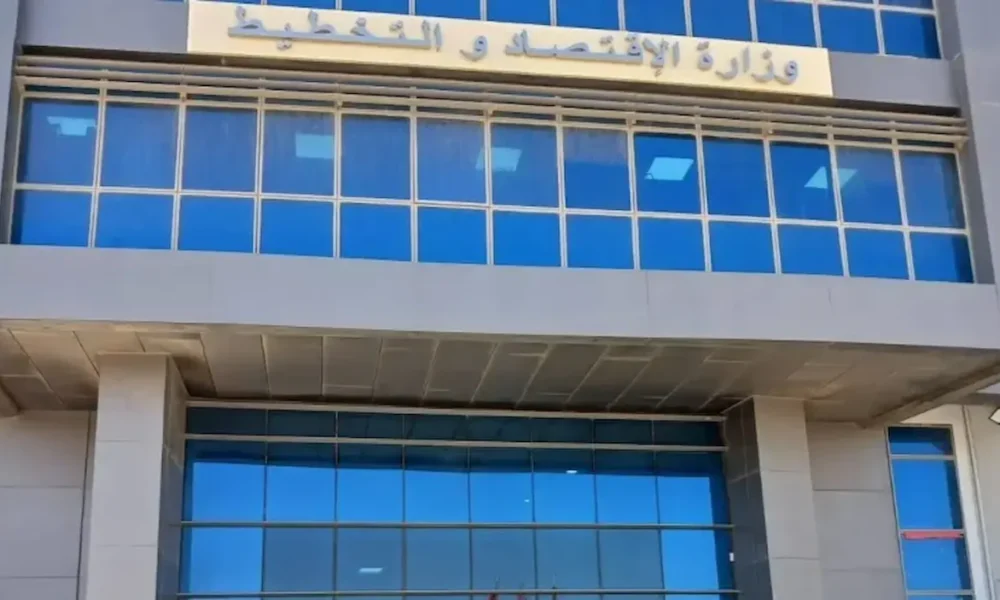
The Investment and International Cooperation Commission held, last Monday, a hearing with representatives of the Ministry of Economy and Planning, dedicated to the department’s orientations and its programs in terms of support for domestic and foreign investment.
On this occasion, the ministry’s representatives outlined an assessment of the main obstacles hindering investment in Tunisia, notably highlighting the persistence of bureaucracy, delays in digitization, and the multiplicity of institutional actors.
An administration still not very digitized
According to ministry officials, the weakness of digitizing services for investors constitutes one of the main obstacles to improving the business climate. Tunisia indeed ranks among countries with notable delays in this area, placing 70th in terms of efficiency and digitization of administrative services for investors.
The representatives of the ministry also insisted on the complexity of the administrative path, aggravated by the multiplicity of structures intervening in the investment process, which burden procedures and slow the realization of projects.
A business climate deemed difficult
The speakers noted that the business climate in Tunisia remains difficult, notably due to administrative complications related to the very nature of institutions and the functioning of the administration.
They estimated that merely revising the Investment Code would not, by itself, revive the sector. A broader reform appears necessary, also covering the tax system, the Exchange Code as well as the Customs Code. The Ministry of Economy and Planning reminded, in this context, that it does not bear sole responsibility for this undertaking, as it is a horizontal ministry tasked with working in coordination with other departments.
Ports, customs and logistics: Persistent blockages
The ministry representatives also mentioned the structural difficulties that continue to disrupt the pace of investment, particularly at the port and customs systems. An assessment work conducted in 2025 allowed identifying the root causes of these dysfunctions.
According to the conclusions presented, the problems do not stem solely from texts or guidelines, but mainly from their implementation and execution mechanisms, which remain insufficiently effective in meeting investors’ needs.
Maritime links with Africa pointed out
Another difficulty raised during this hearing: the maritime routes linking Tunisia to the African continent. The ministry representatives indicated that these links still pass through Marseille and France, which hampers the development of direct exchanges with African markets.
They stressed the need for the national company to fully play its role and to overcome fears related to profitability and risk, in order to open more direct maritime lines to Africa. Such an orientation is deemed essential to strengthen Tunisia’s attractiveness and support its economic openness on the continent.
Stability and simplification as priorities
In the same context, the representatives of the Ministry of Economy and Planning stressed that investment revival must imperatively rely on a set of structural conditions. They cited firstly political and social stability, stability of the legislative framework, speeding up the publication of implementing texts, simplifying procedures, the generalization of digitization and the unification of the concerned structures.
All these issues are considered urgent to restore momentum to investment in Tunisia, according to a statement released on Thursday, April 2, by the Council of Regions and Districts.