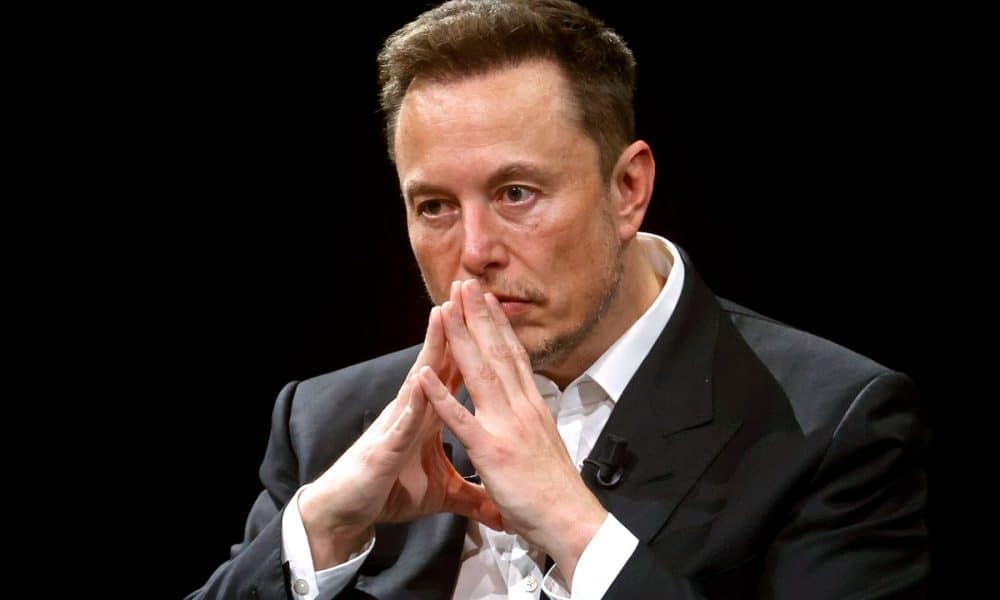
An American jury on Monday, May 18, 2026, delivered a ruling unfavorable to Elon Musk in the lawsuit he had filed against OpenAI. The billionaire accused the artificial intelligence company of straying from its initial mission, which, according to him, was to serve humanity.
In a unanimous decision, the Oakland federal court jury in California found that Musk had filed his action too late.
A case closely watched in the artificial intelligence sector
The trial, opened three weeks ago, was considered a milestone for OpenAI’s future and, more broadly, for the AI sector.
The case raised major questions about the use of AI, its business model and the real beneficiaries of this technology.
The verdict now opens the way for OpenAI to pursue its projects, including a potential stock market listing that could value the company at up to $1 trillion.
Elon Musk announces his intention to appeal
Elon Musk announced his intention to appeal the decision. He reiterated his accusations against Sam Altman, OpenAI’s chief executive, and Greg Brockman, the company’s president, whom he accuses of turning the company into an instrument of enrichment.
On the X platform, Musk wrote that Altman and Brockman had already enriched themselves by “stealing a charitable organization,” adding that the only question would be when this occurred.
He also argued that creating a precedent allowing, in his view, the diversion of nonprofit organizations would be “extremely destructive” to charitable giving in the United States.
The judge notes a difficult appeal
After the verdict, Judge Yvonne Gonzalez Rogers, who presided over the trial, indicated that Musk could face a challenging appeal process.
She explained that the question of whether the legal deadline had expired before filing the complaint fell within the facts examined by the jury.
The judge added that a substantial amount of evidence supported the decision, noting that she was ready to dismiss the case immediately for this reason.
Allegations against OpenAI
In his complaint, Elon Musk accused OpenAI, Sam Altman and Greg Brockman of having pushed him to contribute $38 million, before altering the organization’s orientation.
According to him, the company had acted behind the scenes by tying a lucrative activity to a nonprofit structure, while accepting tens of billions of dollars from Microsoft and other investors.
Mark Toberoff, one of Musk’s lawyers, said that this verdict could encourage other startups initially created as nonprofit organizations but harboring greater financial ambitions to set up for-profit entities in order to grow and enrich their leaders.