In an international context marked by growing instability, several major institutions have sounded the alarm about the risks weighing on African economies, calling for urgent measures to strengthen their resilience.
The African Development Bank (AfDB), the African Union Commission (AUC), the United Nations Development Programme (UNDP) and the United Nations Economic Commission for Africa (UNECA) unveiled a set of recommendations aimed at helping the continent’s countries cope with global economic shocks.
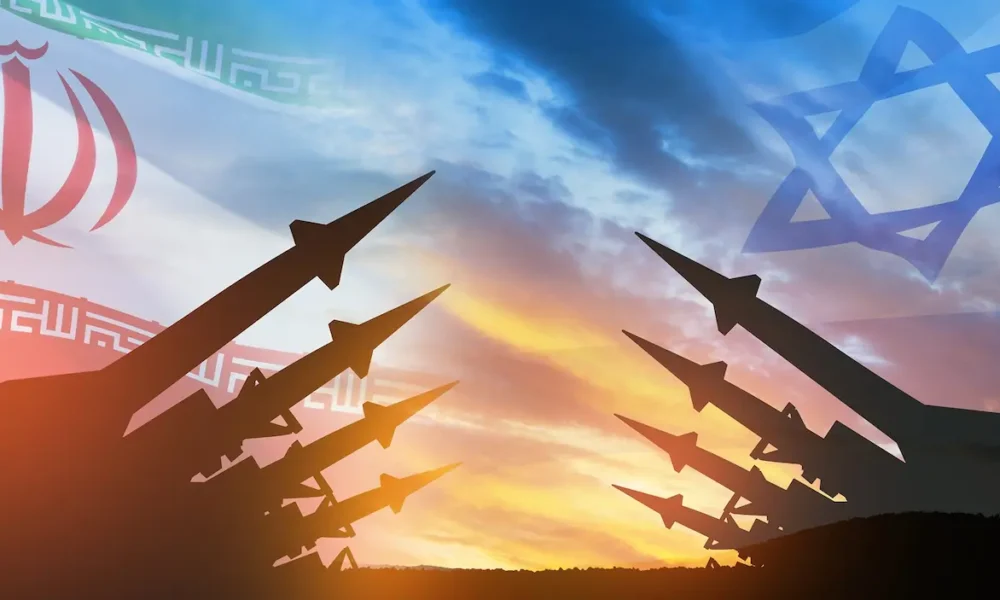
These recommendations were presented on the margins of the 58th session of the ECA, held in Tangier, Morocco, where officials analyzed the repercussions of the ongoing conflict in the Middle East on African economies.
The rise in prices of energy, food, and fertilizers constitutes one of the main challenges identified, intensifying pressures on public budgets and the purchasing power of the populations. This situation further weakens economies already exposed to multiple pressures.
According to Mahmoud Ali Youssouf, president of the African Union Commission, the continuation of the conflict contributes to amplifying global instability and its impacts, notably on energy markets and food security, with particularly heavy consequences for Africa.
In facing these challenges, the institutions call for accelerating structural reforms, diversifying supply sources, strengthening food security, and investing in more resilient economic systems.