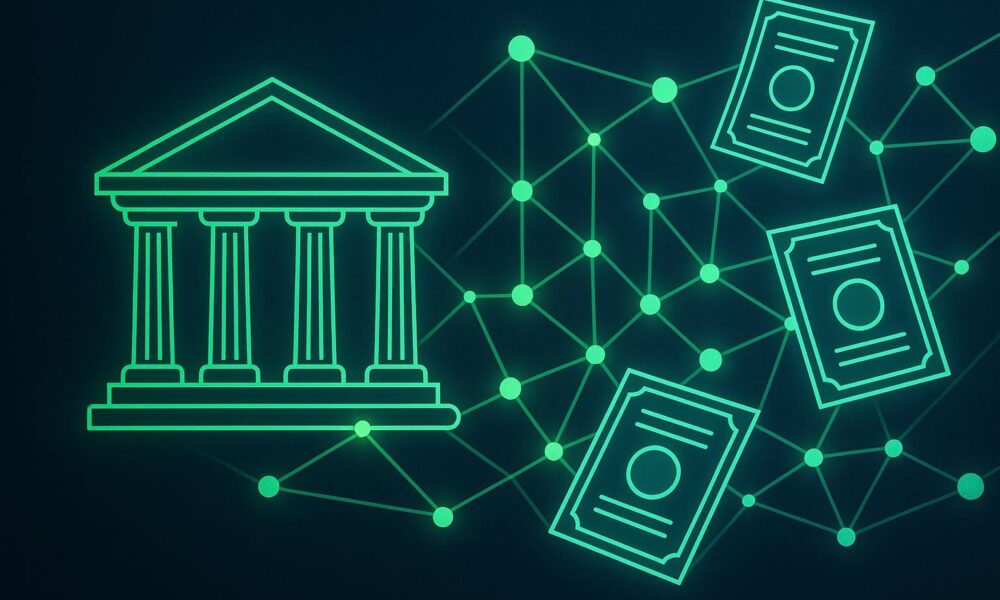
The tokenisation could transform finance by enabling instant settlement and removing intermediaries, while introducing new risks that regulators are not yet able to manage, according to the IMF in a new report.
Tokenisation could amplify volatility via automated markets and smart contracts, the report states. The IMF called for clearer legal frameworks and stronger global coordination, warning that tokenised assets moving instantaneously across jurisdictions could complicate supervision and deepen financial fragmentation in the absence of adequate regulation.
The international financial institution states in its report that the “atomic settlement” that tokenisation brings to the financial world could reduce counterparty risk and compel companies to manage their liquidity in real time.
“Stress events are likely to unfold more quickly, leaving less time for discretionary intervention,” the report says. “Therefore, ensuring stability requires that the management of tokenised assets remain anchored in safe settlement assets, a legally recognized finality, and robust governance arrangements.”
The IMF also warned that faster, automated markets could amplify volatility, while smart contracts triggering margin calls or liquidations could accelerate mass selling during downturns.
Such rapid declines have been observed in crypto markets. Tokenised assets can also circulate instantaneously across jurisdictions, thus complicating surveillance and raising concerns about capital flight and monetary substitution in emerging markets, the IMF wrote.
The organization called for clearer legal frameworks and stronger global coordination, arguing that without it, tokenised finance could exacerbate fragmentation rather than improve efficiency.
Tokenisation is a growing theme in the cryptocurrency sector. Real-world assets added to blockchain infrastructures have already exceeded $23.2 billion according to DeFiLlama data. Excluding stablecoins, the majority of this figure takes the form of tokenised gold or money market funds.