The flare-up of tensions on global energy routes has placed the price of oil back at the heart of economic priorities.
From Asian capitals to European governments, a common logic prevails: to prevent an oil shock from turning into a social, industrial and inflationary shock.
Rather than letting the market absorb the tremors alone, several states are activating massive support plans to protect purchasing power, preserve the competitiveness of companies and avoid a setback to the recovery.
Governments ready to pay to cushion the shock
The most dramatic response comes from South Korea. Seoul unveiled an additional budget plan of 26.2 trillion won, about 22 billion dollars, with a clear target: break the transmission of crude price increases to households and businesses. The government plans, notably, 5 trillion won to compensate refinery losses and reactivates a national price cap at the pump, an exceptional measure aimed at containing logistical costs.
Australia chose a more immediate but equally readable path. Canberra decided to cut the excise tax on gasoline and diesel by half, delivering direct relief of about 26.3 cents per liter. The government complements this move by temporarily suspending road tolls for heavy-duty vehicles and opening its national fuel reserves, to secure supply to remote areas.
Changing habits
Beyond budgetary instruments, several countries are betting on another variable: demand. The rise in fuel costs thus accelerates transformations already underway in the organization of work and mobility.
In Ethiopia, large companies have encouraged the use of online meetings to reduce travel and operating costs. The objective is twofold: maintain activity while limiting employees’ fuel consumption.
Sri Lanka has gone further by reducing the workweek to four days to decrease commuting. Myanmar, for its part, has relied on an alternating circulation system to curb consumption. Even South Korea is considering a return to more coercive measures if crude reaches 120 to 130 dollars per barrel, with the possibility of a national vehicle rotation system.
This sequence reveals an important development: energy policy is no longer played only in refineries, ports or central banks, but also in offices, on roads and in daily habits.
International coordination
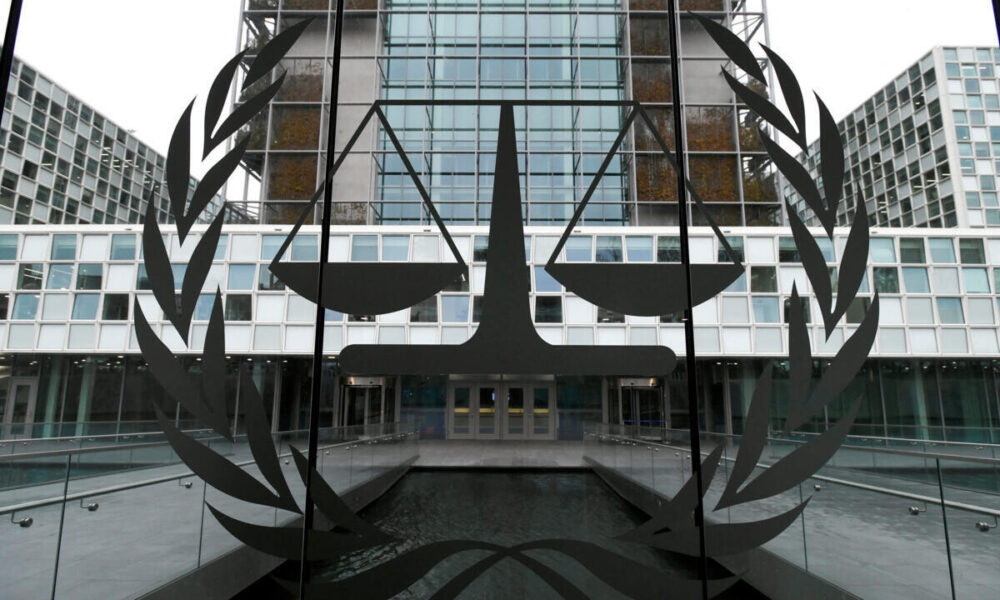
Globally, the response is also being organized on the diplomatic and strategic front. G7 countries have shown their willingness to take all necessary measures to preserve market stability, sending a reassuring signal to investors as well as to industry.
The International Energy Agency has, for its part, mobilized 400 million barrels from its reserves to cushion supply disruptions. In Europe, several countries such as Poland, Hungary or Croatia have also capped fuel prices to limit knock-on effects on production and transport costs.
In Africa, the debate takes another form. In Nigeria, business circles are advocating for tax incentives in favor of local refineries and for greater use of the naira in petroleum transactions. Behind this strategy lies a sovereignty objective: reduce dependence on external sources and stabilize domestic prices over the long term.
The market hostage to geopolitics
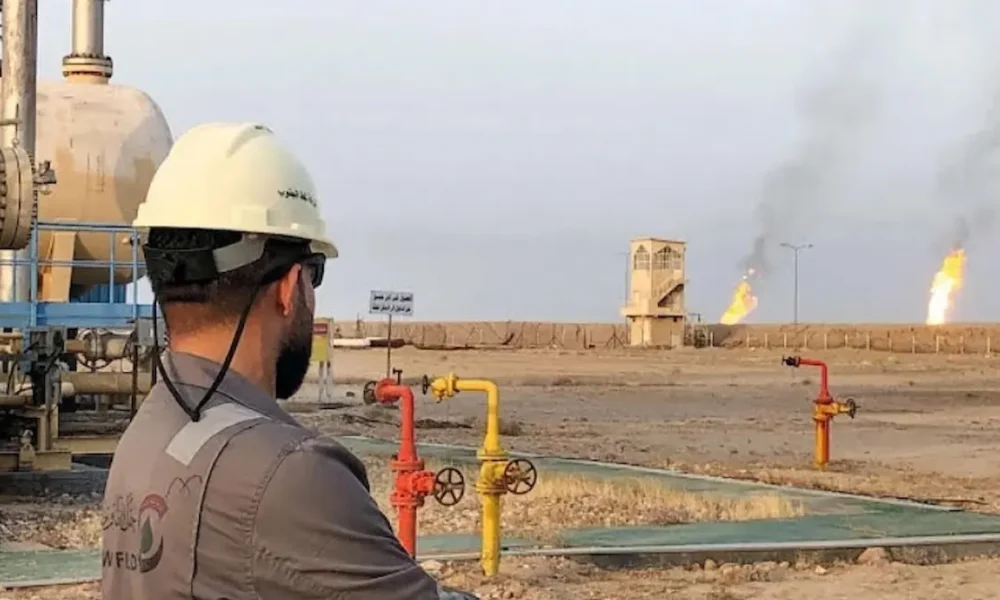
The recent volatility of the oil market illustrates this extreme nervousness. Logistical tensions around the Strait of Hormuz propelled Brent above $118 per barrel, while U.S. WTI remained substantially lower. But early signals of possible geopolitical de-escalation immediately reversed the trend, triggering a rapid fall in prices.
This divergence between oil benchmarks shows mainly that the relative abundance of American supply today plays a stabilizing role for a portion of the global market.
In the longer term, this new energy shock acts as an accelerator of transition. In Europe especially, the crisis recalls that energy independence, security of supply and investment in networks no longer belong solely to the climate agenda: they have become imperatives of macroeconomic stability. Oil remains a shock. The response, however, becomes structural.