“If Tunisia wants to remain competitive in the Mediterranean space against Spain, Turkey, or Morocco, it must accelerate its diversification,” is the main recommendation of a study published by the Arab Institute of Business Leaders (IACE) on the opportunities, challenges, and levers of action to foster a more diversified, competitive, and sustainable Tunisian tourism.
This study analyzed the potential of five segments still under-exploited, namely senior tourism, health & wellness, guesthouses and rural tourism, high-end and rental/platforms.
Projections from the study show that by 2030, these niches, never quantified and forward-looking, could generate nearly 2.7 billion dinars in revenue, representing almost 30% of the sector’s total, and more than 21,500 new jobs.
The study highlights substantial potential across the five sectors.
Senior tourism, already estimated between 270 and 670 million dinars in 2025, could become a major lever for off-season demand.
Health and wellness tourism, drawing on an existing reputation in thalassotherapy and cosmetic surgery, could surpass 1.3 billion dinars by 2030 in an ambitious scenario.
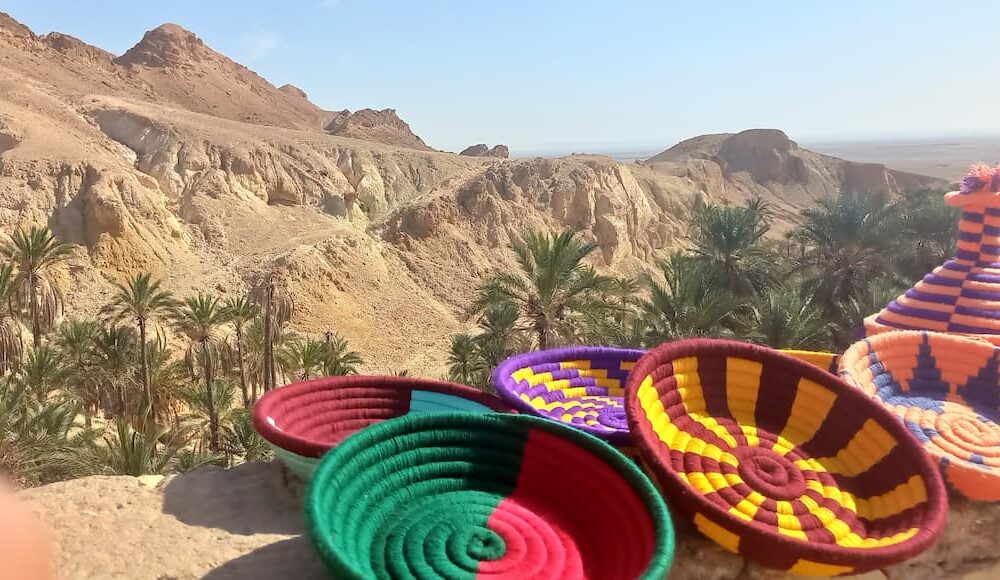
Guesthouses and rural tourism offer dual value: affordable stays but also a territorial rebalancing by integrating interior regions.
High-end tourism, still embryonic, has a very high unit value and could restore Tunisia’s prestigious international image.
Finally, rental tourism via platforms is growing rapidly but remains without a fiscal or regulatory framework, even as it already captures a notable share of demand.