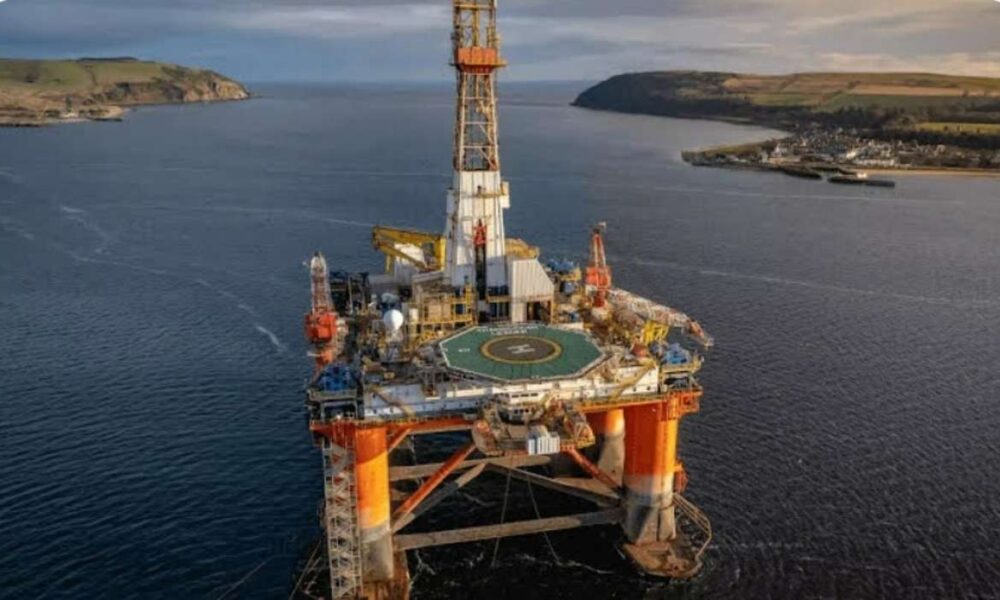
The “Seven Sisters” refer to the seven Anglo-Saxon oil majors which, from the 1920s, dominated exploration, production and global distribution of oil, controlling nearly 90% of known reserves.
Formed by giants such as Exxon, Shell, BP, Chevron, Texaco, Gulf and Mobil, they dictated prices and energy flows, steering industrial and domestic consumption on a global scale. Their power shaped the global economy up to the shocks of the 1970s.
Rise and Control of Oil Flows
These companies consolidated their grip through exclusive concessions in the Middle East and Iran, extracting crude at low cost to refine it and market it via giant tankers.
They manage the entire chain, from wells to pumps, setting margins and arbitrating supply to avoid overproduction. This informal coordination stabilized markets, ensuring a constant supply that boosted the motorization of households and the expansion of factories.
Decline in the Face of Nationalizations and OPEC
The emergence of OPEC in the 1960s, followed by nationalizations in Iran and Saudi Arabia, broke their monopoly, transferring control to producer states.
The crises of 1973 and 1979 accelerated this shift, the Seven Sisters refocusing on refining and distribution in the face of rising prices. Their legacy persists in today’s majors, still influencing energy strategies and consumers’ bills.
This historic cartel shows how a handful of players long channeled black energy at the heart of modern consumption.