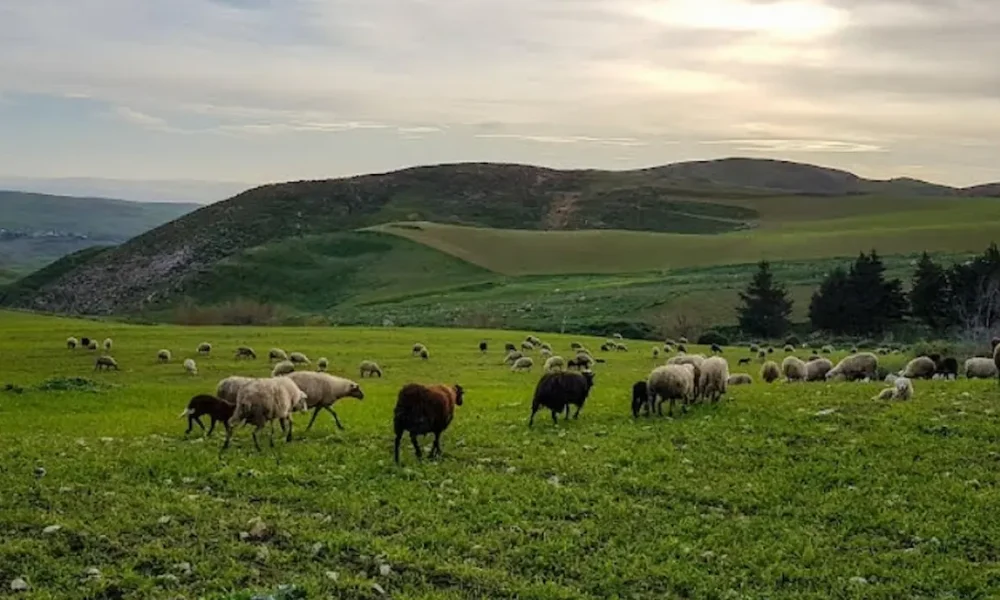
Each year, as the great Feast of Sacrifice approaches, the Tunisian sheep market becomes a true barometer of macroeconomic imbalances.
In 2026, observed prices, ranging from 1,300 to 1,600 dinars for a standard sheep, or more than 60 dinars per kilogram, signal a shift in scale. Given a minimum wage fluctuating between 500 and 550 dinars, this purchase requires up to three months’ income for many households, revealing a growing disconnect between prices and purchasing power.
This phenomenon takes place within a durable inflationary environment. After a peak near 9% in 2023, inflation remains at elevated levels, around 7% to 8% in 2025-2026, with a food component that regularly exceeds 10%.
Red meats, and in particular sheep, are among the most inflationary segments. The sheep is no longer merely a one-off consumption product; it becomes an early indicator of the erosion of purchasing power and tensions in local markets.
An inflation rooted in production costs
The explanation by speculation alone or by commercial margins is not enough to account for price dynamics. The reality is more structural and points to cost-push inflation.