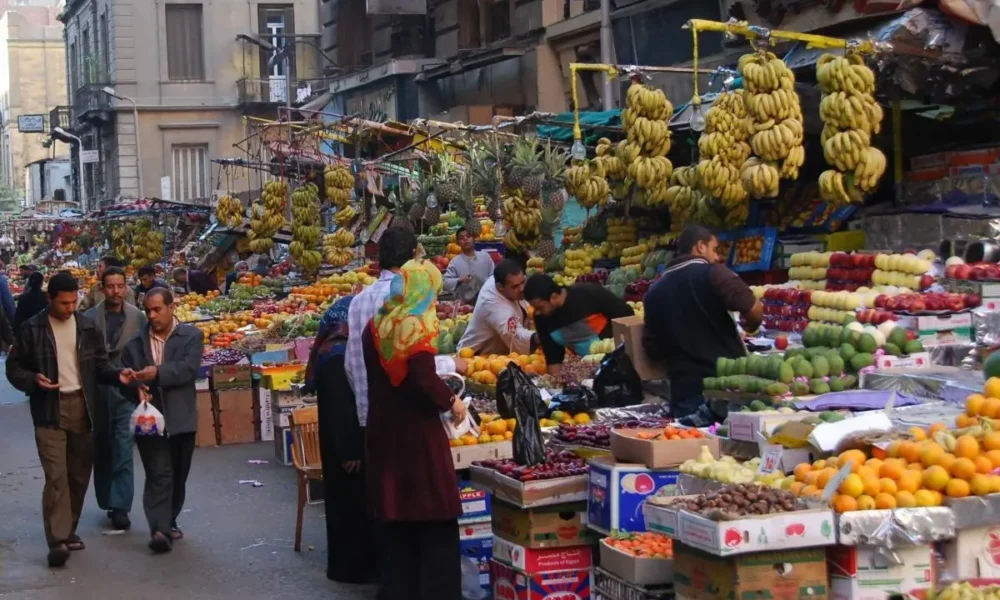
The intense heat wave and the escalation of the conflict in the Black Sea threaten supplies, pushing global agricultural prices to their highest levels in three years.
Agricultural prices have reached their highest level in three years, with heat waves and the escalation of attacks in the Black Sea threatening to disrupt supplies and risking another round of inflation in food prices already strained by the conflict in the Middle East.
The Bloomberg commodity price index for agricultural products, which tracks ten major farm commodities, rose to its highest level since July 2023 on July 22, after seven consecutive weeks of gains. The index had previously peaked in May 2026, driven by concerns about fertilizer and fuel shortages caused by disruptions to supply through the Strait of Hormuz.
Prices rise again
Agricultural prices are rising again in response to the emergence of new conflict risks and weather-related volatility. European cereal harvests are being affected by intense heat waves.
The heat waves sweeping Europe raise concerns about damage to crops, notably corn. France, the EU’s leading agricultural producer, has already endured three heat waves since late May 2026. In the United States, corn and soybean fields are also facing hot and dry weather conditions.
Meanwhile, wheat prices are rising as Russo-Ukrainian attacks on export corridors in the other region restrict trade. This region accounts for more than a quarter of the global supply. In Chicago, wheat futures reached their highest level in two years on July 23, after rising more than 4% in the previous session.
Threat to the supply chain
Although substantial stocks remain for many major cereals following exceptional harvests in recent years, the return of the El Niño weather phenomenon is also raising concerns about production, with futures prices for coffee and cocoa rising in July 2026.
This weather phenomenon could bring exceptionally hot and dry conditions to West Africa, a major cocoa-producing region.
Moreover, the escalation of tensions between the United States and Iran has driven crude oil prices to their highest levels in several weeks, boosting demand for biofuels such as corn oil and vegetable oils. The Chicago soybean futures contract also reached its two-year high on July 23, while palm oil in Kuala Lumpur jumped 2.1%. This type of oil, whose prices have recently fallen back below those of diesel, is increasingly used in fuel production.
If this price surge persists, it could ripple through the entire food supply chain, driving up the prices of essentials, from bread and cooking oil to meat and dairy products.