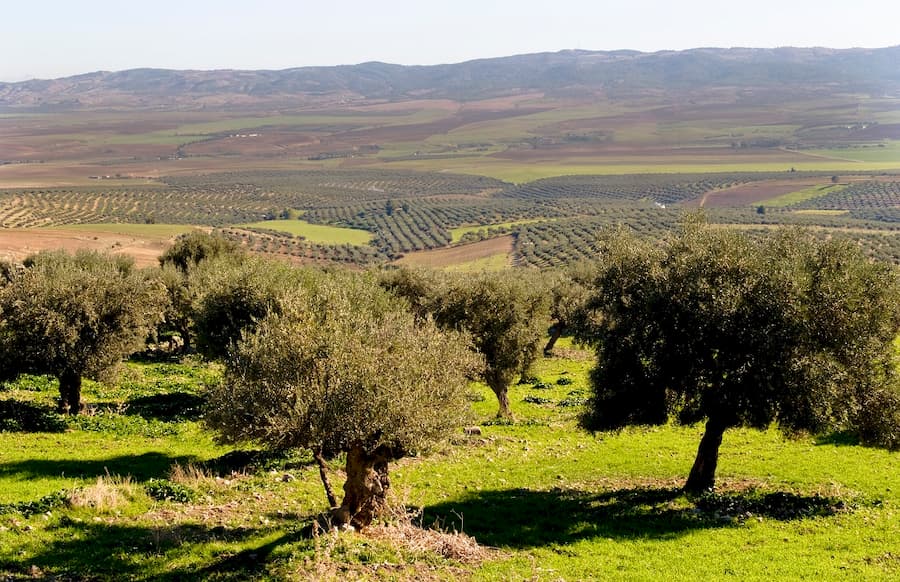
In Tunisia, the olive oil sector holds strategic importance for the national agricultural economy. According to data presented by the Ministry of Agriculture, Hydraulic Resources and Fisheries during the workshop dedicated to the “national dialogue between the public and private sectors on the development, valorization and sustainability of the olive oil sector in Tunisia”, the Tunisian olive groves cover more than 2.1 million hectares, about 42% of arable agricultural land, and account for more than 147 million olive trees.
The sector is also linked to around 309,000 agricultural holdings, thus providing a direct or indirect source of income to a large portion of households, in addition to the activity it generates in the areas of processing, storage, packaging, marketing and refining.
The sector accounts for about 10% of the value of agricultural production and represents nearly 44% of total agricultural exports. Over the past five years, olive oil exports have averaged around 212,000 tonnes per year.
The 2025/2026 campaign recorded a notable increase in production, rising to about 500,000 tonnes, compared with 340,000 tonnes in the previous campaign, an increase of nearly 47%. Olive oil exports also rose by 50.8% during the first ten months of the campaign, reaching about 381,200 tonnes, an increase of 41.2%. Exports of organic olive oil amounted to around 53,000 tonnes.
In his opening remarks, the Minister of Agriculture, Hydraulic Resources and Fisheries stressed that the ministry’s strategic direction aims to develop an integrated vision for the development of the olive oil sector by 2050. This vision must enable responses to economic, climatic and technological transformations, while strengthening the sector’s contribution to economic growth, food security, export development and job creation, as well as the valorization of natural resources and the preservation of the environment.