Between 170 and 560 million dollars per year: a bill no one voted for, and an international treaty that could reduce it without touching the domestic industry.
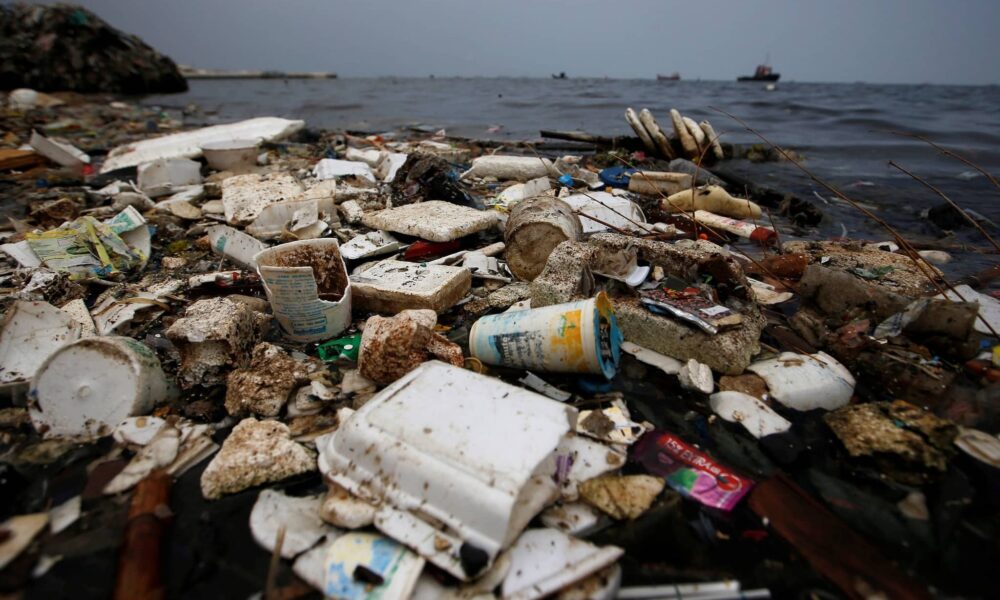
It has neither a rate nor a base, no budget law mentions it, and yet it weighs on the Tunisian economy each year. The plastic that ends up in the Mediterranean acts like an invisible tax: levied on municipal budgets, on the coastline, and on households living near landfills, it is not returned to anyone.
The magnitude is now documented. Tunisia bears about 0.4 billion dollars in marine damage per year, in a range of 0.17 to 0.56 billion, while around 17,000 tonnes of plastic reach the sea each year. For the three countries studied — Egypt, Morocco, and Tunisia — the bill reaches 1.7 to 5.5 billion dollars annually, and basin discharges would double by 2040 without a change of course.
These figures come from the report “Counting the Cost of Plastic Pollution in Egypt, Morocco & Tunisia”, published in September 2026 by Greenpeace MENA, which mobilizes mainly the World Bank and IUCN work. They are estimates obtained through unit-cost transfer, not direct measurements, and they cover only marine damage in the Mediterranean: the authors speak of a floor. The value of the document lies in its question: an accounting ledger rather than an indictment.
Plastic costs as much as the industry yields
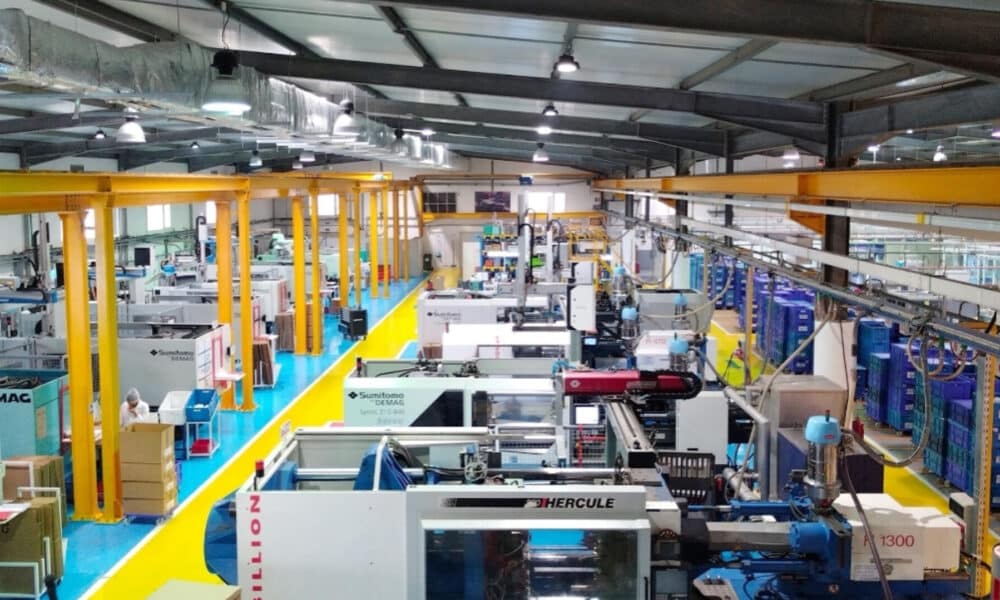
The report places the cost of pollution against the wealth generated by the sector. The plastics processing sector in Tunisia comprises 1,931 enterprises and 23,463 formal employees, for 280 to 330 million dollars of value added per year. This amount sits entirely within the pollution-cost range, and in its lower half. In other words, plastic probably costs the country as much as the entire sector brings in, and more if we take the central estimate.