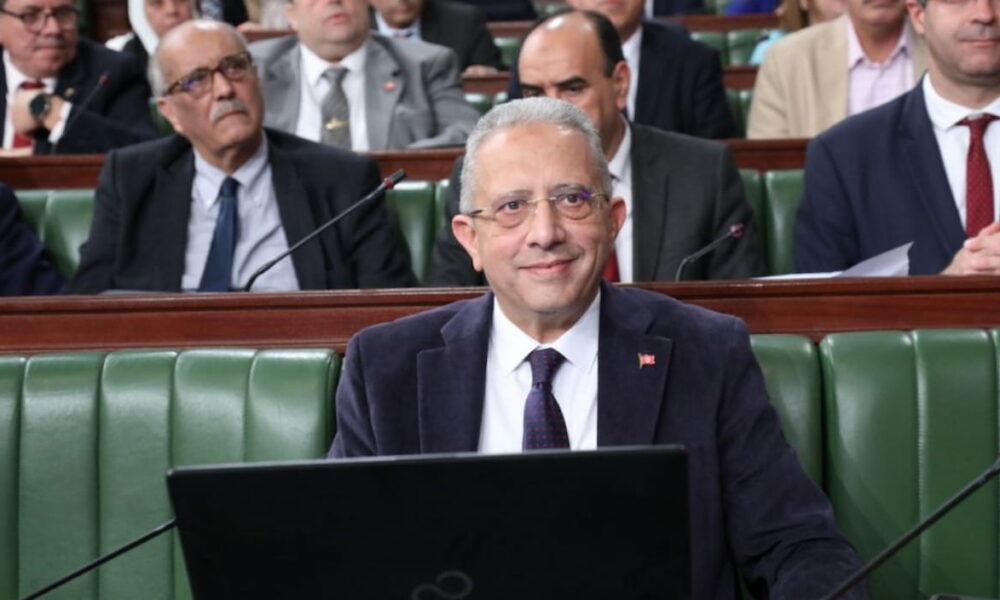
The Ministry of Health’s budget proposal for 2027 amounts to 6.035 billion dinars, or 6.8% of the state budget, compared with 5.548 billion dinars in 2026. These figures were presented by Health Minister Mustapha Ferjani during a joint parliamentary hearing on Wednesday, November 4, 2026.
Priorities focused on prevention and access to care
The Services and Social Development Commission of the National Council of Regions and Districts held a joint session with the Health Commission, the affairs of women, the family, social affairs and persons with disabilities of the Assembly of the Representatives of the People. The meeting was devoted to the ministry’s mission and budget for the coming year. The minister was accompanied by officials and senior staff from his department.
Mustapha Ferjani recalled that the right to health is guaranteed by the Constitution and constitutes a priority of the 2026-2030 development plan. The ministry’s strategy rests notably on prevention, health promotion, the reduction of regional disparities in access to care, digital transformation, and the development of the pharmaceutical sector.
The minister also spoke of strengthening pharmaceutical sovereignty and local production of vaccines and medical supplies, in order to improve the health system’s capacity to respond to crises.
Recruitments and 120 ambulances planned
For 2027, the ministry plans the recruitment of 34 specialist doctors, 50 dentists and 50 pharmacists. The program also foresees the acquisition of 180 dental chairs and 120 ambulances, particularly for emergency services, as well as the purchase of scanners and magnetic resonance imaging (MRI) equipment.
The minister specified that equipment and vehicle purchases are centralized, then distributed among health facilities according to their needs. Proposals to create new facilities will be examined according to the criteria set by the ministry.
Deputies alert to regional needs
The deputies welcomed the creation of new health facilities and university departments, as well as the deployment of specialist doctors and equipment. They, however, believed that these efforts were not enough to meet the growing needs of the population, particularly in inland and rural regions.
They called for updating the health map and for a better distribution of facilities and services between regions. They also proposed creating a national database of diseases and their geographic distribution, in order to better anticipate health risks and prepare for epidemics.
Interventions also touched on the shortage of personnel and equipment, the limited availability of certain specialties, notably intensive care, waiting times and the overcrowding of emergency departments. Some deputies argued for expanding these services and creating new facilities. They also suggested the use of prefabricated constructions when land or the necessary funds are lacking.
The lack of specialist doctors and paramedical staff was also raised, as were the difficulties of access to care in rural and mountainous areas. Some elected representatives proposed a text governing the practice in Tunisia of newly graduated doctors for a fixed period before their departure abroad. They also requested regularization of staff employed in precarious situations and the application of Article 101 of Finance Law 2026.
Regularization of staff and difficulties in medicine supply
The minister indicated that his department had prepared a draft decree to permanentize temporary agents who currently benefit from coverage by the National Pension and Social Welfare Fund and have a unique identifier. The regularization of their status is planned for 2027, depending on their level of education.
Deputies also mentioned shortages of medicines, notably in basic health centers in rural zones, as well as the situation of the Central Pharmacy and its reform program. Mustapha Ferjani stated that local production covers a significant portion of national consumption and that shortages of certain medicines were mainly linked to the scarcity of raw materials.
The ministry is working with the Ministries of Finance and Social Affairs to reduce the payment delays of the Central Pharmacy’s debts, in order to improve its financial situation and ensure steady supply. The minister also specified that requests for long-term sick leave, notably those related to mental health issues and cancer, are reviewed on a case-by-case basis by a specialized commission.
The session concluded with the need to continue developing the health system, improve service quality, and bring them closer to citizens in all regions.