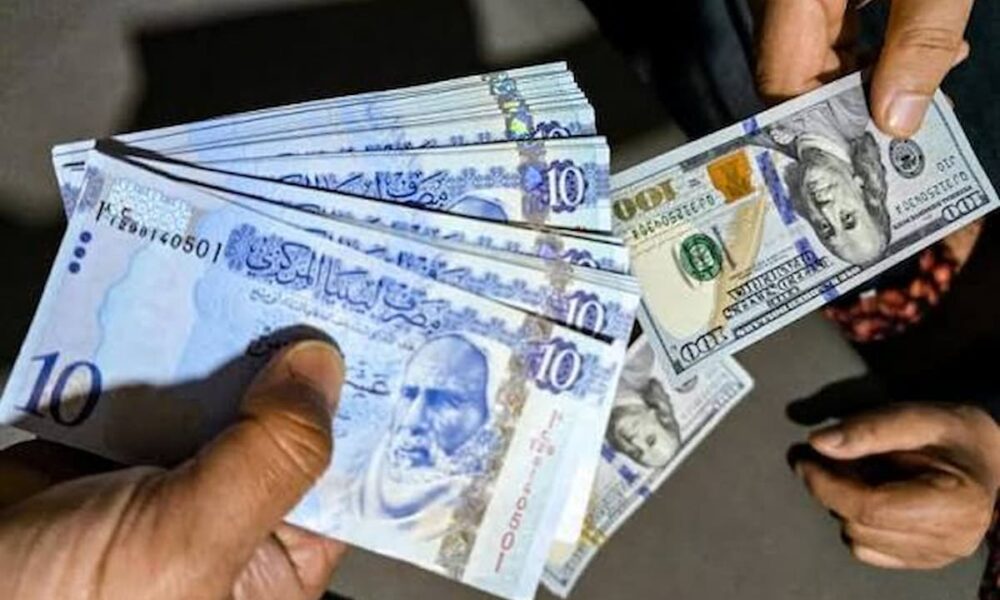
In Tunisia, accumulated tourist receipts and labor earnings reached together nearly 15 billion dinars as of October 31, 2026, according to indicators of the Central Bank of Tunisia (BCT). These two external resource sources continue to play an important role in the country’s foreign exchange inflows.
The Essentials
- 7.152 billion dinars of cumulative tourism receipts as of October 31, 2026.
- 7.675 billion dinars of cumulative labor earnings at the same date.
- 14.827 billion dinars in total for these two items (TN calculation).
- 23.843 billion dinars of foreign exchange reserves as of November 2, 2026, i.e. 92 days of imports.
Tourism receipts exceed 7.15 billion dinars
According to BCT data compiled as of October 31, 2026, cumulative tourism receipts reached 7 152,3 million dinars, i.e. about 7.15 billion dinars.
These receipts constitute one of the main sources of foreign exchange inflows linked to service activities in Tunisia.
Labour earnings reach 7.68 billion dinars
For their part, the cumulative labor earnings, an indicator of the BCT commonly used to track transfers by Tunisian residents abroad, stood at 7 675,2 million dinars as of October 31, 2026.
They thus exceed tourism receipts by 522.9 million dinars.
The sum of tourism receipts and labor earnings yields a total amount of 14 827,5 million dinars, i.e. nearly 14.83 billion dinars at the end of October 2026.
| Indicator | Amount (MD) |
|---|---|
| Cumulative tourism receipts | 7 152,3 |
| Cumulative labor earnings | 7 675,2 |
| Total of the two items (TN calculation) | 14 827,5 |
Source: figures derived from the BCT indicators, as of October 31, 2026.
Foreign exchange reserves equivalent to 92 days of imports
Meanwhile, the indicators of the Central Bank of Tunisia report 23 842,6 million dinars of foreign exchange reserves as of November 2, 2026, i.e. the equivalent of 92 days of imports.
Tourism receipts and labor earnings contribute to the foreign exchange inflows of the Tunisian economy. However, their cumulative amounts alone do not allow determining the evolution of the foreign exchange reserves.
This also depends on other financial and commercial flows, notably payments related to imports, external debt service, and capital movements.
The two indicators cumulative to the end of October and the level of reserves on November 2 also correspond to different closing dates and should not be directly equated.
Tourism receipts and labor earnings remain two important components of Tunisia’s external resources. Their monitoring helps to assess their contribution to foreign exchange inflows.
To measure their impact on the country’s external balances, these data must nonetheless be examined together with the evolution of imports, exports, external financing, and the balance of payments.